Toxic Foods: What to Avoid in Your Pet’s Diet
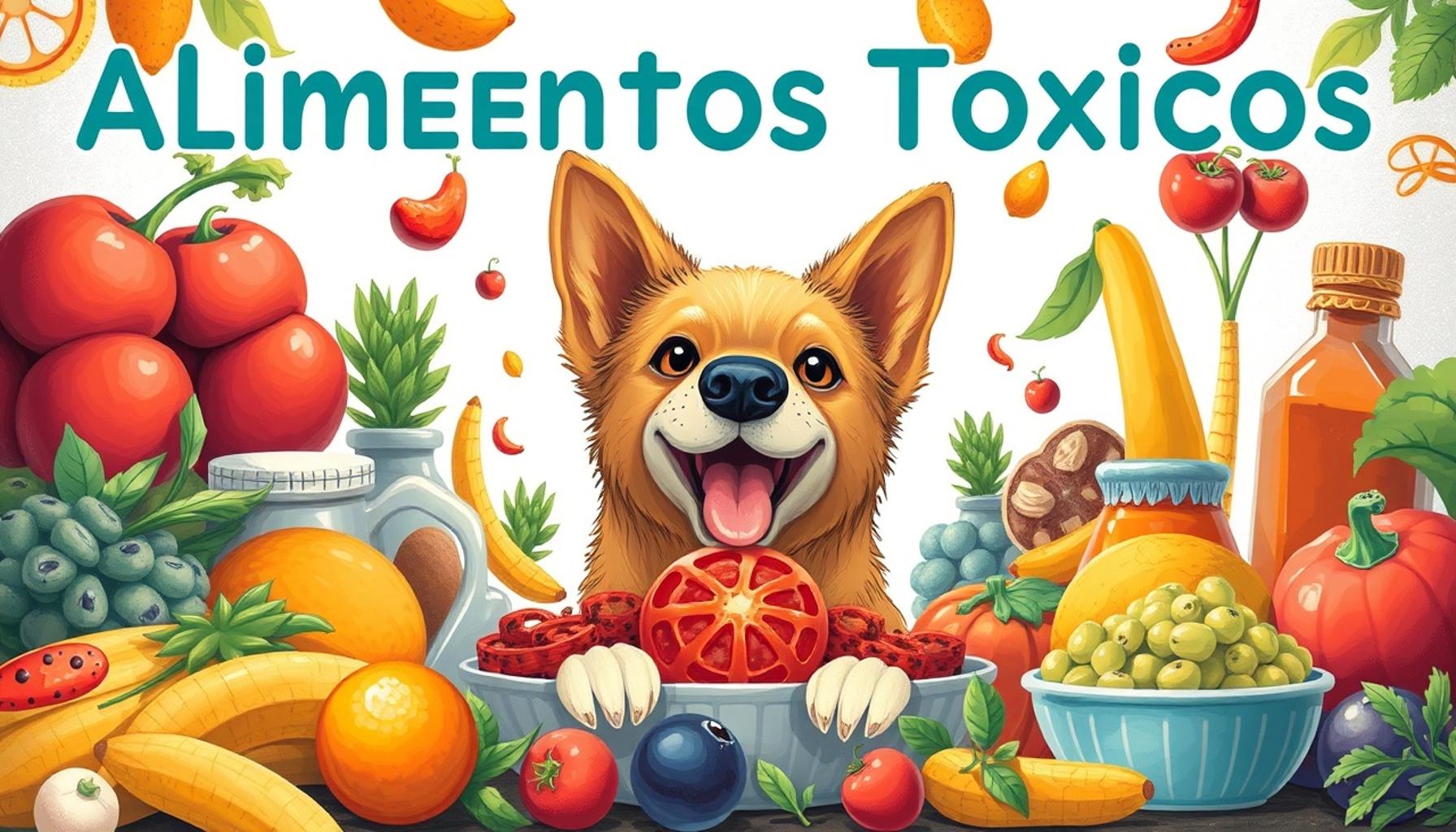
The Hidden Dangers in Your Kitchen: Toxic Foods for Pets
As a devoted pet owner, ensuring the happiness and well-being of your furry companion involves more than just regular vet visits and playtime. A fundamental aspect of pet care is nutrition, and this begins with understanding the foods that can be detrimental to your pet’s health. Unfortunately, many common household items nestled in your pantry or readily available at the grocery store can be hazardous.
Pets, especially dogs and cats, are known for their curious nature, often exploring their environment with their mouths. This inquisitiveness can lead them to ingest items that may cause serious health complications. It is essential to educate yourself on what to keep out of their reach to ensure their safety.
Common Toxic Foods That Pose Risks
- Chocolate: Most people know chocolate is a delightful treat for humans, but it harbors theobromine, which is extremely toxic to dogs. Even small amounts can cause vomiting, diarrhea, or more severe conditions like seizures and heart problems.
- Onions and Garlic: These common kitchen staples can wreak havoc on your pet’s system. Both onions and garlic contain compounds known as thiosulfates that can damage red blood cells, leading to anemia in dogs and cats. Even small amounts, whether raw, cooked, or powdered, can pose significant risks.
- Grapes and Raisins: Surprisingly, these popular snacks are linked to acute kidney failure in dogs. The exact toxin in grapes and raisins is unknown, but consumption of even a small amount can result in serious illness, including vomiting and lethargy, that necessitates immediate veterinary care.
- Xylitol: This artificial sweetener is often found in sugar-free products such as chewing gum, candies, and even certain peanut butters. It can cause a rapid increase in insulin levels in dogs, leading to hypoglycemia (low blood sugar) and potential liver failure.
- Avocado: While healthy for humans, avocados can be problematic for pets. They contain a substance called persin, which can cause vomiting and diarrhea in dogs — particularly if consumed in large quantities.
Protecting Your Pets through Informed Choices
Understanding these dangers is the first step to safeguarding your pet’s health. By educating yourself on toxic foods, not only can you mitigate risks, but you can also choose safe and nutritious alternatives to promote their well-being. Instead of chocolate treats, consider offering carob or specially formulated dog treats. For a crunchy snack, offer carrots or apple slices (without seeds) that are safe and nutritious.
Exploring the right diet for your pet can lead to improved health and longevity. By creating awareness about the harmful effects of specific foods and committing to providing a balanced diet, you can ensure that your companion remains a happy and healthy member of your family. Remember, always consult with your veterinarian if you’re uncertain about particular foods or if your pet has ingested something potentially harmful.
Identifying Dangerous Foods: Your Pet’s Dietary Hazards
As a pet owner, navigating the landscape of what is safe and nourishing for your furry friends can feel overwhelming. While we may enjoy a wide array of foods, it is imperative to recognize that many of these items are toxic to pets and can lead to severe health issues, even death. Understanding these hazards is the first line of defense against unintentional poisoning.
Here is a closer look at some of the most dangerous foods that pet owners should be vigilant about:
- Caffeine: Found in coffee, tea, and energy drinks, caffeine can be extremely harmful to pets. With symptoms that may include restlessness, rapid breathing, heart palpitations, and muscle tremors, caffeine ingestion necessitates immediate veterinary attention.
- Alcohol: It’s easy to overlook, but any form of alcohol—including beer, wine, and spirits—is highly toxic to pets. Even small quantities can lead to vomiting, diarrhea, difficulty breathing, and eventually, coma or death.
- Macadamia Nuts: A treat enjoyed by many humans, macadamia nuts can cause weakness, tremors, hyperthermia, and gastrointestinal issues in dogs. Signs of trouble can appear within hours of ingestion and may last for approximately 24 to 48 hours.
- Raw Dough: The yeast in raw dough can pose serious risks to pets. As it expands in a warm environment like a pet’s stomach, it can cause severe bloating and potentially rupture their stomach. Additionally, the fermentation process produces alcohol, further increasing toxicity levels.
- Cherries: While the fleshy part of the cherry may seem harmless, the pits contain cyanide, which is toxic to pets. Ingestion can lead to significant health concerns, including respiratory failure. Therefore, it is vital to keep cherries out of your pet’s reach.
Some commonly overlooked items can also lead to serious ramifications for your pets. For example, many pet owners are unaware that cooked bones, such as those left over from dinner, can shard and cause choking or digestive blockages. While it might seem like a natural treat, many veterinarians advise against giving cooked bones to pets altogether.
Taking Precaution: Educate and Safeguard
The journey to keeping your pet safe begins with informed decisions regarding what goes into their diet. Establishing a clear understanding of toxic foods will not only protect your pet but encourage the development of a better and healthier diet. Opt for pet-safe fruits and vegetables, such as sweet potatoes or blueberries, which can provide nutritional benefits without the risks associated with harmful foods.
Empowering yourself with knowledge about pet nutrition fosters a healthier life for your furry companion. Always remember, if in doubt about a particular food, it is wise to consult with your veterinarian for guidance. Being proactive can significantly reduce the risks of food-related accidents, ensuring your pet lives a long and healthy life by your side.
| Toxic Food Category | Health Risks |
|---|---|
| Chocolate | Can lead to heart irregularities and even death in severe cases. |
| Onions and Garlic | Causes hemolytic anemia, affecting red blood cells. |
| Avocado | Contains persin, which can lead to respiratory distress. |
| Grapes and Raisins | Linked to kidney failure with no known safe amount. |
| Macadamia Nuts | Causes weakness, tremors, and fever in pets. |
Understanding what constitutes toxic foods for pets can be crucial to their health and well-being. Such knowledge not only helps prevent serious health issues but can also lead pet owners to make more informed dietary choices. The risks associated with items like chocolate, onions, and grapes should be well-acknowledged as these foods can induce severe complications, making it essential for pet owners to avoid them. Furthermore, knowing the signs of toxicity might save precious time in emergencies. With pet diet considerations becoming increasingly essential, staying informed about harmful foods can significantly enhance a pet’s quality of life.
Additional Pet Dietary Dangers: Expanding the List
As we delve deeper into the world of pet nutrition, it’s essential to recognize that the list of toxic foods extends beyond the well-known offenders. Pet owners must remain vigilant and informed about additional substances that can pose serious health risks to their furry companions. Some common items found in our kitchens and pantries may harbor hidden dangers.
- Onions and Garlic: Both members of the allium family, onions and garlic can cause oxidative damage to red blood cells in pets, leading to anemia. Symptoms can include vomiting, lethargy, and an elevated heart rate, manifesting up to several days after ingestion. It’s important to note that these foods are often found in many human meals, making careful monitoring imperative.
- Raisins and Grapes: These seemingly innocent snacks can induce acute kidney failure in dogs. Even small amounts have been known to cause vomiting, lethargy, and ultimately lead to more severe health issues. The exact toxic substance in grapes and raisins remains unclear, making it crucial to avoid them altogether.
- Xylitol: A common sugar substitute found in sugar-free products like gum, candies, and some baked goods, xylitol can cause rapid insulin release in pets, leading to hypoglycemia. This condition can result in seizures or even liver failure in extreme cases. Pet owners should thoroughly check labels and keep any xylitol-containing products out of reach.
- Avocado: While avocados are touted for their health benefits for humans, they contain persin, which can be toxic to some pets, especially birds and large animals. In dogs and cats, ingestion can lead to digestive upset and, in larger quantities, has been linked to more serious complications.
- Potato Peels and Uncooked Potatoes: Raw or uneaten potatoes, particularly the green parts, contain solanine, a compound that can be toxic to pets. Symptoms of solanine poisoning include gastrointestinal distress and lethargy. Always cook potatoes thoroughly if you choose to share this food with your pet.
Beyond food items, pet owners should also be cautious about potential dietary hazards present in human snacks and treats. Products containing high levels of salt, such as chips and pretzels, can lead to sodium ion poisoning in pets, with symptoms including excessive thirst, urination, and even tremors.
Recognizing the Signs of Toxicity
Being aware of what to avoid in your pet’s diet is only one part of the equation; recognizing the signs of food toxicity is equally important. If you notice any unusual behavior, such as excessive drooling, vomiting, diarrhea, or signs of distress, it is crucial to act quickly. Contact your veterinarian immediately, especially if you suspect that they have ingested a toxic substance.
Stay informed through reliable resources and consult with your veterinarian about safe feeding practices as well as any new foods you may want to introduce to your pet’s diet. By fostering an open dialogue with your vet, you can navigate the complex nutrition landscape and ensure your pet remains healthy and happy.
Conclusion: Safeguarding Your Pet’s Diet
In summary, being aware of toxic foods that can endanger your pet’s health is crucial for every responsible pet owner. From onions and garlic to xylitol and grapes, the array of common kitchen items that pose significant risks is alarming. By educating yourself about these hidden dangers, you can make informed decisions that keep your furry friends safe and thriving. Remember that what may be a delightful treat for humans can often translate into a dangerous indulgence for pets.
Moreover, it’s essential to adopt preventive measures—thoroughly checking labels, fostering open communication with your veterinarian, and maintaining strict dietary controls. Veterinary guidance can provide insights into any new foods you wish to introduce, ensuring you avoid any hidden threats to your pet’s well-being. As you navigate pet ownership, keeping a well-rounded perspective on nutrition will not only enhance your pet’s longevity but also enrich the bond you share with them.
So the next time you’re tempted to share your snack or leftover meal, pause and reflect on the potential risks. Knowledge is your best ally in safeguarding your pet from dietary hazards. An informed approach not only promotes optimum health but also allows you to enjoy the companionship of your beloved pet for many years to come.

Beatriz
Beatriz Johnson is a seasoned pet care expert and writer with a passion for simplifying the complexities of pet ownership and animal well-being. With over a decade of experience in the field, she specializes in topics like pet nutrition, training techniques, and health care. Through her work on our website, Beatriz empowers pet owners to make informed decisions and provide the best possible care for their furry friends, ensuring happy and healthy lives for their beloved companions.