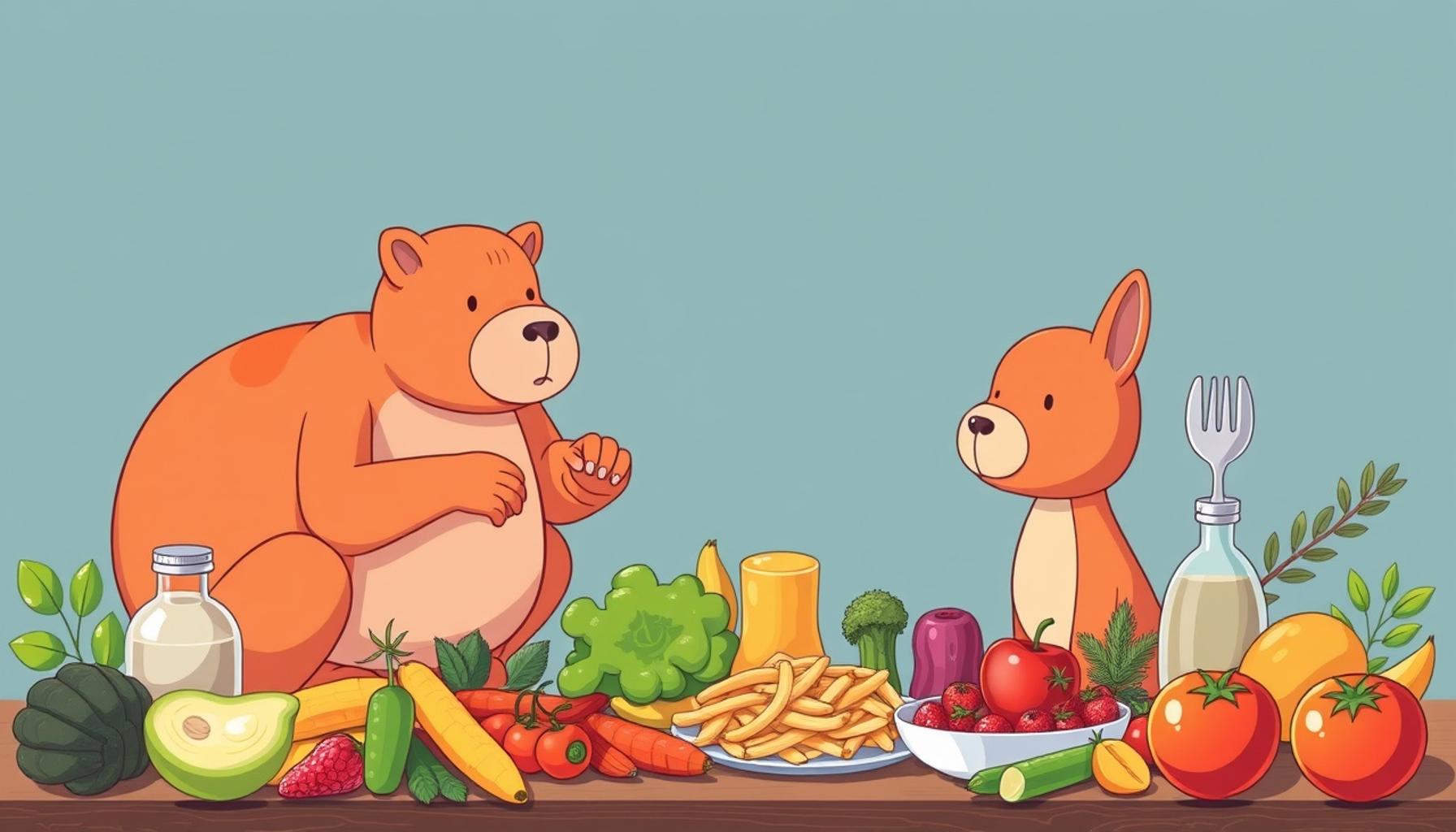
The Importance of Essential Nutrients in the Diet of Dogs and Cats

Understanding Essential Nutrients for Pets
Providing a balanced diet for pets is crucial for their overall health and well-being. Essential nutrients play a significant role in maintaining your dogs’ and cats’ physical and mental health. These nutrients directly impact their growth, energy levels, and even their longevity. Just as in human nutrition, the right balance of nutrients can make all the difference in a pet’s life, influencing not just their activity levels but their emotional state and overall happiness.
Key Nutritional Components
To ensure your furry companions thrive, it’s vital to understand the components of a nutritious diet. The main essential nutrients include:
- Proteins: These are the building blocks of life for pets. High-quality proteins from sources like chicken, fish, and beef contribute to muscle development and repair. They are also vital for the production of enzymes and hormones. For instance, a diet rich in protein can help maintain a healthy weight and boost energy levels, making pets more playful and engaged.
- Fats: While often viewed with caution by humans, fats are essential for pets as they provide concentrated energy and help in the absorption of fat-soluble vitamins. Omega-3 and Omega-6 fatty acids, commonly found in fish oil, are particularly beneficial for maintaining a shiny coat and healthy skin.
- Carbohydrates: These are often included in pet food formulations as they provide a quick energy source. Whole grains, fruits, and vegetables not only supply energy but also contain fiber necessary for gut health, aiding in digestion and stabilizing blood sugar levels.
- Vitamins: Essential vitamins like A, D, E, K, and various B vitamins each perform unique roles. Vitamin A, for instance, is crucial for vision and immune function, while B vitamins help in energy metabolism. It’s important to note that different pets might have varying vitamin needs based on age and health status.
- Minerals: These are crucial for many biological functions, including bone health, nerve function, and hydration. Calcium and phosphorus are important for maintaining solid bones and teeth, while electrolytes like potassium are vital for proper cell function.
Each nutrient serves a unique purpose, acting in harmony with the others. For example, proteins are vital for muscle growth, while vitamins boost the immune system, contributing to a pet’s overall health. Feeding your pet a diet deficient in these essential nutrients can lead to serious health concerns such as obesity, metabolic disorders, and immune system dysfunction.
Why This Matters
Understanding the importance of these nutrients helps pet owners make informed choices about their pets’ diets. A well-nourished pet is often a happier and more active companion, showcasing the profound connection between nutrition and quality of life. For instance, pets who receive balanced nutrition tend to have better energy levels, improved moods, and a lower incidence of health issues, which can save on veterinary costs in the long run.
Ultimately, investing time in understanding pet nutrition can lead you to explore high-quality commercial pet foods or even homemade diets tailored to meet your pet’s specific needs. This journey not only enhances your pet’s life but also deepens the bond between you and your animal family member, reaffirming the fundamental role that diet plays in their well-being and happiness.
The Role of Essential Nutrients in Pet Health
The significance of essential nutrients in the diets of dogs and cats cannot be overstated. Just as with humans, these vital components are indispensable to overall health, influencing everything from metabolic processes to immune function and even mood stability. A diet lacking in essential nutrients can lead to a host of health complications, underscoring the importance of understanding what your pet truly needs to thrive.
Common Deficiencies and Their Impact
While most commercial pet foods strive to offer balanced nutrition, it is not uncommon for pets to suffer from nutrient deficiencies. Some common deficiencies and their consequences include:
- Protein Deficiency: Without adequate protein, dogs and cats may exhibit muscle wastage, weakened immune responses, and lethargy. Such deficiencies can also lead to stunted growth in puppies and kittens.
- Fatigue from Insufficient Fat: A diet low in essential fats can result in diminished energy levels, poor skin and coat condition, and even cognitive decline in aging pets.
- Lack of Vitamins: Symptoms like poor vision or increased susceptibility to infections may arise from deficiencies in key vitamins, such as vitamin A or vitamin E. Regular intake of these vitamins is crucial for sustaining a robust immune system and optimal health.
- Mineral Imbalance: An inadequate supply of minerals such as calcium or phosphorus could lead to skeletal issues in growing pets or chronic conditions such as arthritis in older animals.
Taking a closer look at these deficiencies reveals a stark reality—malnutrition can lead to lifelong health problems that not only diminish the quality of life for pets but also create emotional strain for pet owners. A pet’s diet directly influences its well-being, establishing a vital link between nutrition and health.
Paw-sitive Effects of a Balanced Diet
On the flip side, implementing a diet rich in essential nutrients can vastly improve a pet’s quality of life. When pets receive the right balance of proteins, fats, carbohydrates, vitamins, and minerals, the benefits are profound. Consider the transformation a well-rounded diet can bring:
- Improved Energy Levels: A diet high in essential nutrients allows your pet to maintain stable energy levels throughout the day, leading to more playtime and exercise opportunities.
- Enhanced Mood and Behavior: Pets with balanced nutrition often exhibit fewer behavioral issues and increased happiness, reflecting their overall well-being.
- Healthier Aging: Senior pets benefit immensely from diets enriched with antioxidants and age-appropriate nutrients, potentially extending their lifespan and improving their mobility.
It is evident that the right nutrition is fundamental—not just for longevity but for a fulfilling, active life. Pet owners who prioritize ensuring their furry friends receive adequate essential nutrients are setting the stage for healthier, happier companions. Therefore, when considering your pet’s diet, take the time to assess its nutritional composition and make informed decisions to enhance their life quality.
| Category | Key Features |
|---|---|
| Macronutrients | Essential for energy and body functions, including proteins, fats, and carbohydrates. |
| Vitamins & Minerals | Support immune function, bone health, and overall well-being. |
| Benefits of Balanced Diet | Promotes healthy growth, mobility, and longevity in pets. |
| Aspects of Nutritional Deficiency | Can lead to severe health issues such as obesity, joint problems, and chronic diseases. |
Ensuring that pets receive the necessary essential nutrients is crucial for their health. Macronutrients such as proteins, fats, and carbohydrates are vital for providing energy and supporting bodily functions. Proteins contribute to muscle development, while healthy fats assist in nutrient absorption and coat health. Carbohydrates, although not always essential, can offer a quick energy source for active pets.Additionally, vitamins and minerals play a crucial role in maintaining immune function, supporting bone growth, and promoting overall vitality. Nutritional balance is key, as deficiencies can lead to serious health issues, such as obesity or chronic diseases, which diminish the quality of life for dogs and cats. Furthermore, incorporating a variety of ingredients in the pet’s diet ensures they receive a comprehensive array of essential nutrients, paving the way for a happier, healthier life.
Tailoring Nutrition to Life Stages
Understanding the importance of essential nutrients in pet diets also involves recognizing that nutritional needs can vary greatly depending on a pet’s life stage. Puppies and kittens, for instance, have different dietary requirements compared to adult or senior pets, which can greatly impact their growth and overall health.
Nutritional Needs of Growing Pets
Puppies and kittens are in a critical phase of development and require higher proportions of certain nutrients to foster growth and development. For puppies, a diet rich in high-quality protein is essential to support the rapid muscle development necessary for their active lifestyle. Generally, protein should constitute around 22-32% of a puppy’s diet, depending on the breed size. Similarly, kittens benefit from a higher fat content, ideally around 20-30%, to fuel their high-energy needs and support their developing brains.
Furthermore, essential fatty acids like omega-3 and omega-6 play a pivotal role in maintaining optimal brain development and skin health in young pets. Research has even shown that puppies exposed to adequate levels of omega-3 fatty acids during their formative stages exhibit better learning abilities and behavioral tendencies. It’s vital, therefore, for pet owners to select age-appropriate formulas that provide the necessary nutrient balance to ensure healthy maturation.
Adjusting Diet for Senior Pets
As pets age, their metabolic processes and nutritional needs shift, highlighting the importance of adjusting their diets accordingly. Senior pets often require adjusted levels of protein to prevent muscle loss while still supporting their daily energy requirements. Many veterinarians suggest a high-quality, easily digestible protein source, which helps to maintain lean muscle mass while accommodating decreasing physical activity levels.
Additionally, senior pets can suffer from conditions that necessitate a specific dietary focus. For example, pets predisposed to arthritis often benefit from diets enriched with glucosamine and chondroitin to support joint health and mobility. Omega-3 fatty acids also hold significance for older pets, as they possess anti-inflammatory properties that can support overall health and help mitigate age-related conditions.
Understanding Special Dietary Needs
Beyond age, special dietary needs related to health issues often arise in pets, necessitating further considerations regarding essential nutrients. Dogs and cats with allergies may thrive on limited-ingredient diets to avoid common allergens, while those suffering from obesity can benefit from veterinary-recommended weight management formulas that are lower in calories yet rich in fiber.
Moreover, certain breeds might have predispositions to chronic conditions that require tailored nutritional interventions. For instance, large breed dogs are more prone to hip dysplasia and might benefit from diets fortified with calcium and phosphorus for proper bone growth. Understanding these nuances is critical for pet owners who wish to provide not just adequate, but optimal nutrition.
In the vast landscape of pet nutrition, it’s essential to approach dietary choices as an ongoing journey, informed by a pet’s development, health status, and lifestyle. An informed and proactive strategy towards their essential nutrient intake can lead to a significantly healthier life for our furry companions, all while fostering a stronger bond between pet and owner.
Conclusion
In conclusion, the importance of essential nutrients in the diet of dogs and cats cannot be overstated. These vital components serve as the foundation of our pets’ health and well-being throughout their lives, influencing everything from growth and development in young pets to maintaining vitality in senior animals. Understanding that the nutritional needs of dogs and cats change as they age is crucial for responsible pet ownership.
As we have explored, puppies and kittens require increased levels of protein and fat for their rapid growth, while adult and senior pets benefit from tailored nutrition that addresses their unique health challenges. This dynamic dietary approach not only supports physical health but also enhances cognitive functions, strengthens joints, and mitigates potential health issues.
Pet owners must remain vigilant and informed about their pets’ nutritional needs, considering factors such as breed, lifestyle, and any existing health conditions. A well-informed strategy—which may include consulting with veterinarians and nutritionists—can empower pet owners to choose age-appropriate and health-centric diets that maximize their pets’ quality of life.
In an era where knowledge is as accessible as ever, prioritizing our furry friends’ dietary needs is a key responsibility that comes with pet ownership. By doing so, we not only enhance their lives but also deepen the bond we share with them, ensuring that they remain healthy, happy, and thriving companions for years to come.

Beatriz
Beatriz Johnson is a seasoned pet care expert and writer with a passion for simplifying the complexities of pet ownership and animal well-being. With over a decade of experience in the field, she specializes in topics like pet nutrition, training techniques, and health care. Through her work on our website, Beatriz empowers pet owners to make informed decisions and provide the best possible care for their furry friends, ensuring happy and healthy lives for their beloved companions.