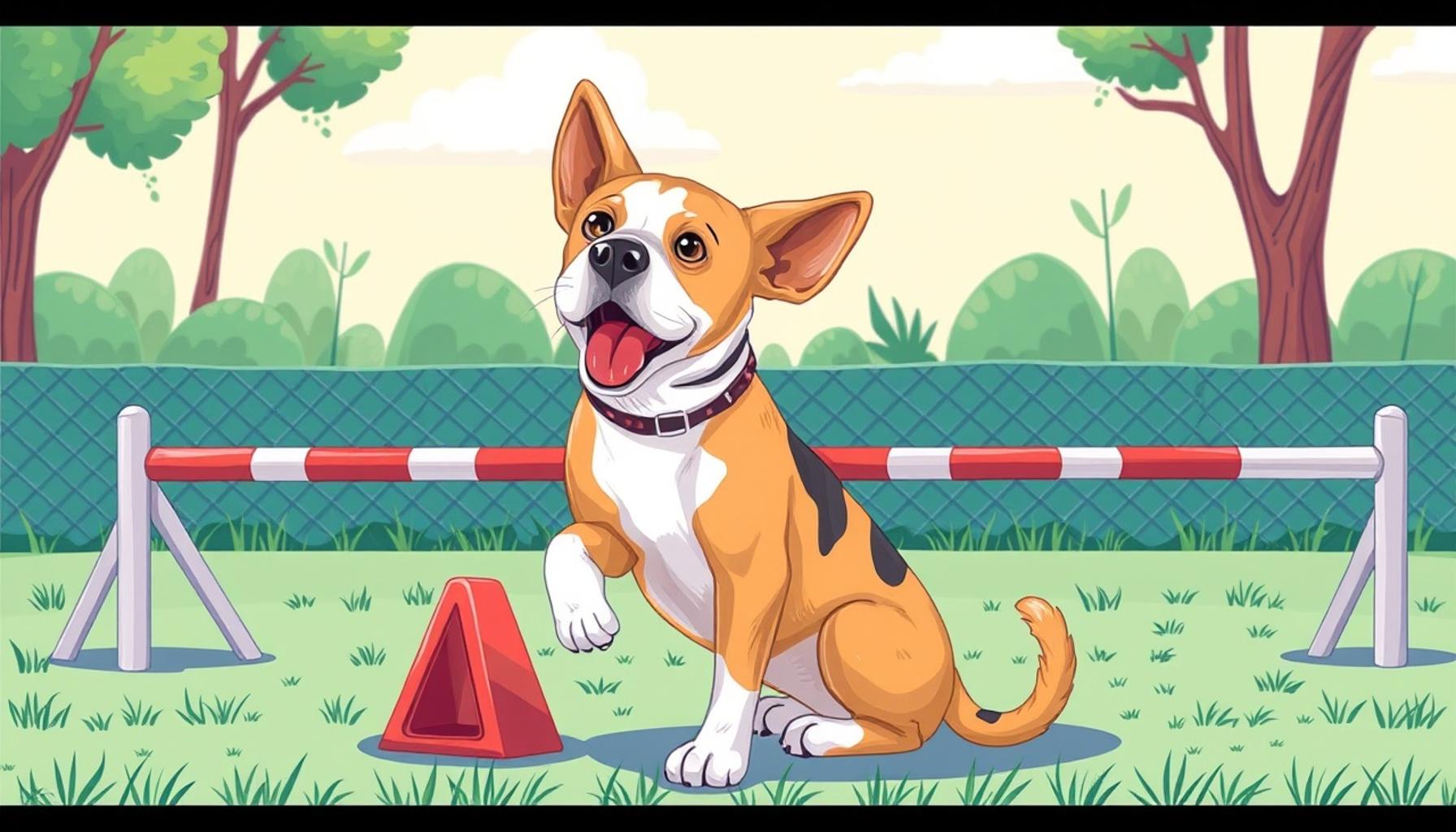
The Impact of Breed-Specific Traits on Training Techniques

Impact of Breed-Specific Traits on Dog Training Approaches
When engaging in dog training, recognizing breed-specific traits can dramatically enhance a trainer’s effectiveness and a dog’s learning experience. Each dog breed has unique characteristics shaped by its original purpose, environment, and genetic make-up. Understanding these traits helps formulate a training strategy that resonates with a dog’s natural instincts and behavioral predispositions, leading to better training outcomes.
One of the main aspects to consider is the temperament of the breed. For instance, Labrador Retrievers are typically known for their friendly and eager-to-please nature, making them relatively easy to train. In contrast, breeds like the Chihuahua may exhibit more stubbornness and require different motivational techniques. Tailoring methods to fit these temperamental differences can lead to more successful training sessions.
Energy levels also play a crucial role in how a dog experiences training. High-energy breeds, such as Border Collies and Australian Shepherds, thrive on intensive, interactive training sessions that incorporate physical activity and mental engagement. Utilizing agility courses or advanced fetch games can channel their energy effectively. On the other hand, calm breeds, like the Basset Hound, may prefer a structured approach with less vigorous activities, such as obedience training sessions that emphasize patience and consistency.
Intelligence varies significantly among breeds and can dictate the type of mental challenges they need during training. Breeds like the Poodle or German Shepherd are praised for their problem-solving skills and can handle complex tricks and tasks. In contrast, breeds that are less intellectually engaged may respond better to simpler commands, focusing on essential obedience rather than elaborate tasks.
Understanding social behavior is equally important. Working breeds, such as the Doberman Pinscher or Belgian Malinois, often flourish in team-oriented training environments, excelling in obedience trials and advanced agility courses. They enjoy tasks that allow them to work alongside humans or other dogs, implementing their instincts while forming stronger bonds. Alternatively, toy breeds, like the Pomeranian or Yorkshire Terrier, can build motivation through play and positive reinforcement, often thriving in environments that emphasize companionship and fun.
In conclusion, as you dive deeper into dog training, grasping the distinct characteristics associated with various breeds empowers you to refine your training techniques. Not only does this enrich the training process, but it also strengthens the relationship between trainer and dog. By investing time to understand these breed-specific traits, dog owners and trainers alike can create tailored approaches that pave the way for a successful training experience and a well-adjusted canine companion.
Tailoring Training Techniques to Meet Breed-Specific Needs
In the realm of dog training, understanding the intricate dynamics of breed-specific traits is essential for fostering effective communication between trainer and dog. Each breed arrives with its own innate tendencies, shaped by a rich tapestry of historical context, functional roles, and sociocultural influences that extend far beyond mere appearance. When trainers adopt an adaptable mindset, honed in on the unique needs of different breeds, they can open the door to more fulfilling experiences for both canines and humans.
Physical Attributes also influence training effectiveness, and this facet is often overlooked. Breeds like the Great Dane, with their imposing stature, may find it challenging to master agility-based exercises that require tight maneuvering. Conversely, smaller breeds such as the Dachshund might excel in these situations, demonstrating an unexpected agility given their size. Understanding how a dog’s physical build affects its capabilities allows trainers to select appropriate tasks, reducing frustration and increasing motivation.
The learning style of dogs is deeply intertwined with their breed characteristics. Some breeds, such as the Border Collie, exhibit a strong instinct for instinctual tasks like herding and tend to respond exceptionally well to motion-based activities. In contrast, breeds like the French Bulldog may show a higher inclination toward more cerebral tasks, requiring a blend of mental engagement and physical activity. Training methods that resonate with a dog’s natural learning style often yield quicker results; hence, incorporating a variety of approaches becomes critical. Consider the following techniques based on breed characteristics:
- Interactive Games: For high-energy breeds, incorporating games like fetch or tug-of-war can make learning feel like play.
- Positive Reinforcement: This method works wonders across most breeds. Use treats, praise, and toys as rewards to solidify desired behaviors.
- Consistency and Routine: Establishing a structured environment benefits breeds that thrive on predictability, such as the Golden Retriever.
- Social Engagement: For social breeds, group training sessions can enhance learning and build confidence.
Instinctual Behaviors also guide training strategies. Hunting breeds such as the Beagle possess a strong prey drive and may require specific training to manage this instinct during everyday activities. Leash training, for instance, becomes imperative to prevent unwanted behaviors during walks. Additionally, breeds that were originally developed for guarding, like the Rottweiler, can exhibit protective instincts that not only need to be channeled but also need clear social boundaries to prevent over-assertiveness. Addressing these innate behaviors upfront is vital in cultivating both a well-behaved dog and a safe training environment.
The effective application of breed-specific traits requires dedication and observation. The more a trainer commits to understanding and adapting their strategies to align with a dog’s unique characteristics, the more likely they are to foster a happy, well-adjusted canine companion. By focusing on these foundational traits, trainers can lay the groundwork for enriching experiences that benefit both humans and dogs alike.
In understanding the intricate dynamics of canine behavior, the significance of breed-specific traits cannot be overstated. These traits not only influence the personality and adaptability of dogs but also play a crucial role in shaping training techniques that are most effective for specific breeds. Each breed comes with its own set of instincts and behaviors that dictate their learning styles, responses to commands, and overall engagement in training sessions.For instance, working breeds, such as Border Collies and German Shepherds, exhibit high intelligence and energy levels, requiring rigorous training that can incorporate physical exertion alongside mental stimulation. Techniques that highlight agility and obedience, leveraging their natural drive, often yield exceptional results. In contrast, breeds like Bulldogs or Basset Hounds may have a more laid-back disposition, necessitating a more patient approach to training. Understanding these varying needs is essential for trainers aiming to maximize their effectiveness.Moreover, environmental factors and early socialization play a critical role. Puppies that are exposed to different stimuli early in life often exhibit better adaptability and learning capabilities. Breed-specific traits can also predispose dogs to certain behavioral issues; for example, certain terriers may show an inclination towards stubbornness, prompting trainers to employ more persuasive and consistent techniques. This tailored training not only enhances the dog’s learning experience but also strengthens the bond between pet and owner, leading to lasting companionship and improved behavior.As we delve deeper into the impact of breed-specific traits, it’s pivotal to consider how these insights lead to more informed training strategies that resonate with the individual needs of each canine. The diversity in breed characteristics accentuates the importance of customized training regimens, ensuring all dogs can thrive in their learning environments, ultimately benefiting both the pets and their owners.
Understanding Motivation Across Breeds
When discussing breed-specific traits, it’s imperative to delve into the nuanced world of canine motivation. Different breeds possess varying levels of drive and enthusiasm for tasks, often rooted in their original roles. For instance, working breeds like Siberian Huskies and Malinois thrive on physical challenges, showcasing immense energy that fuels their eagerness to learn. In contrast, breeds such as the Cavalier King Charles Spaniel, known for their gentle demeanor, may require less rigorous tasks to maintain interest during training sessions. Tailoring training to align with the specific motivational drivers can significantly enhance success rates and foster a more enjoyable experience.
Understanding what ignites a dog’s enthusiasm not only empowers trainers but also cultivates a deeper bond between the dog and owner. High-drive breeds often respond positively to training that is engaging and dynamic, utilizing varied approaches to keep their focus from waning. For example, incorporating elements such as obedience trials or agility courses can cater to their desire for stimulation. Conversely, breeds with a calmer disposition benefit from soothing environments where training can proceed without overwhelming distractions.
The Role of Environmental Factors
Beyond intrinsic traits, the environment in which a dog is trained plays a pivotal role in shaping their adaptability and responsiveness to commands. Breeds that are naturally more sensitive, such as the Greyhound, react to their surroundings differently than high-energy breeds like the American Pit Bull Terrier. Therefore, a quiet space conducive to learning can make a significant difference for more timid breeds, while energetic environments might fuel the passion of those with strong vitality.
Trainers must also consider the role of socialization in the training process. Dogs that hail from social breeds, such as Labradors, thrive in bustling environments where they can interact with other dogs and people. Group classes tend to amplify their excitement and enhance their learning experience. On the other hand, breeds known for being more reserved, such as the Shiba Inu, may benefit from one-on-one sessions focused on building trust and confidence before introducing them to larger groups.
Incorporating Unique Breed Traits in Commands
Another critical aspect of adapting training techniques lies in the choice of commands and cues, tailored to breed traits. For instance, dogs bred for herding often exhibit excellent listening skills and responsiveness to commands related to movement and direction. This characteristic can be exploited by implementing directional training techniques that mirror their natural instincts. Conversely, breeds that have been known for their independence, like the Basenji, may require alternative approaches, such as encouraging voluntary compliance through engaging routines or fun-filled play sessions that allow for self-expression.
Understanding how to leverage unique attributes not only aids in successful training but also enriches the dog’s overall experience. By integrating activities and commands that resonate with a dog’s inherent traits, trainers can maximize their potential and enhance learning outcomes. The journey of adapting training techniques based on breed-specific characteristics is not merely about compliance; it’s an opportunity to nurture the innate talents that make each breed special.
In sum, the fusion of an understanding of motivation, environmental considerations, and tailored command strategies based on breed-specific traits can transform dog training from a simple obligation into a fulfilling journey for both the trainer and the canine companion. Embracing these factors ensures that training is not just effective, but also a reflection of the unique partnership that dogs and humans share.
Conclusion: Embracing Breed-Specific Training Techniques for Success
The exploration of breed-specific traits reveals profound insights into how tailoring training techniques can lead to more effective and harmonious learning experiences for dogs. Recognizing that each breed possesses unique motivating factors, environmental needs, and intrinsic behaviors allows trainers to pivot from a one-size-fits-all approach to a more personalized methodology. This shift not only enhances a dog’s responsiveness to commands but also deepens the bond between canine and owner.
As trainers understand the dynamics of motivation, they can harness the energy of high-drive breeds or the gentler nature of more reserved dogs to create training sessions that are both productive and enjoyable. For instance, adapting to the socialization needs of outgoing breeds versus the confidence-building requirements of more timid ones allows for a rounded approach that respects each dog’s individuality. Moreover, incorporating breed-related activities into training not only aligns with their instincts but also celebrates the characteristics that make each breed special.
Ultimately, the impact of breed-specific traits on training techniques underscores the importance of thoughtful consideration in the dog training landscape. As we move forward, the journey of dog training should be seen as a collaborative adventure where understanding and embracing these traits will lead to more successful outcomes. By fostering this appreciation and adapting methods accordingly, trainers can maximize the potential of every dog, transforming obedience into a shared joy and connection, and setting the stage for a rewarding partnership that lasts a lifetime.

Beatriz
Beatriz Johnson is a seasoned pet care expert and writer with a passion for simplifying the complexities of pet ownership and animal well-being. With over a decade of experience in the field, she specializes in topics like pet nutrition, training techniques, and health care. Through her work on our website, Beatriz empowers pet owners to make informed decisions and provide the best possible care for their furry friends, ensuring happy and healthy lives for their beloved companions.