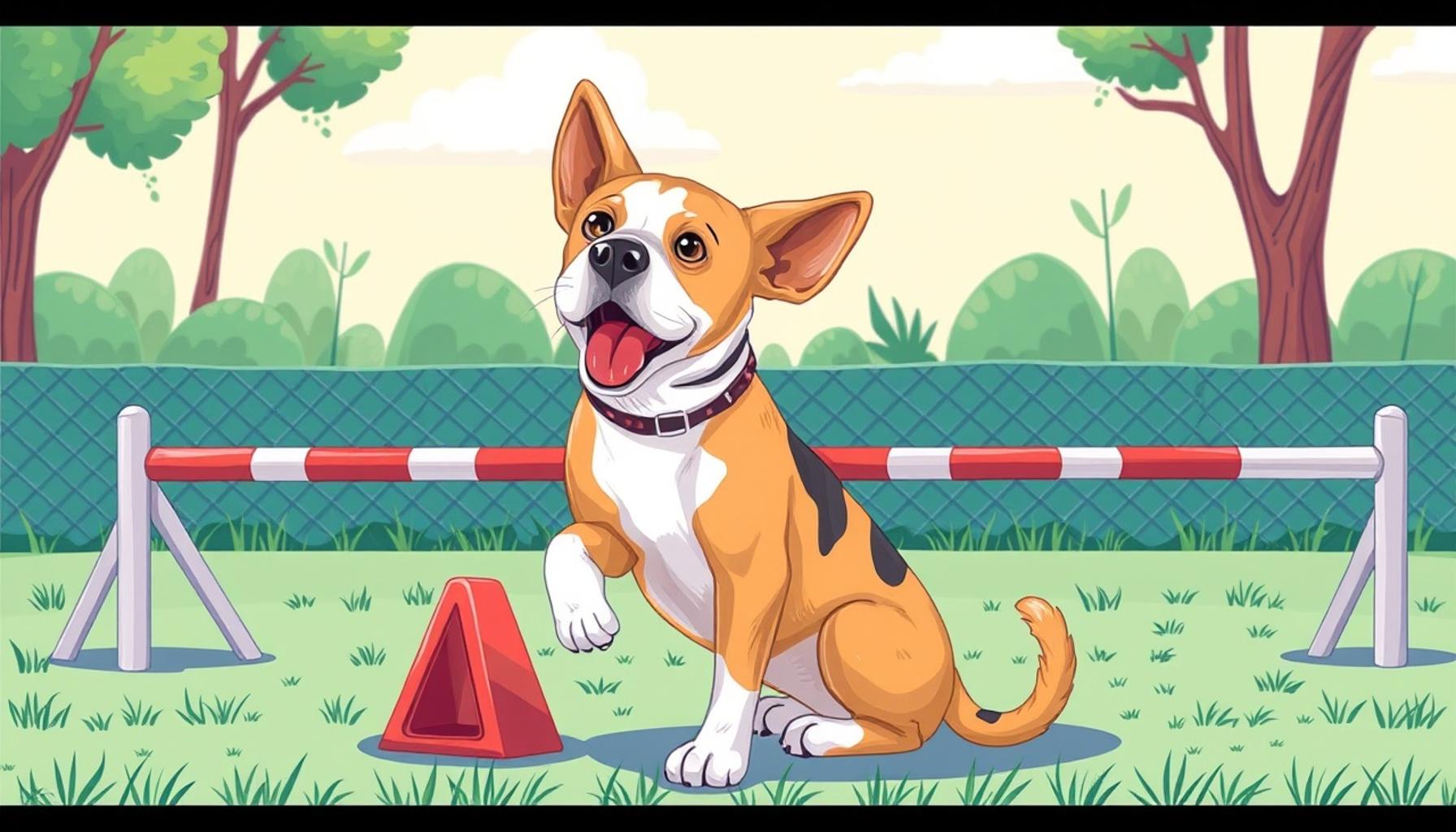
Understanding the Impact of Age on Training Techniques for Pets

Understanding Pet Training Across Different Ages
Training techniques for pets can vary dramatically based on their age. Age significantly influences a pet’s behavior, learning ability, and motivation. Whether you’re working with a playful puppy, a curious adult dog, or a senior pet who’s set in their ways, understanding these dynamics is crucial. Each stage of a pet’s life presents unique opportunities and challenges that can affect the training process.
Developmental Stages
Each life stage brings unique challenges and learning styles. For example, puppies are known for their high energy and boundless curiosity. They often explore their world with their mouths and paws, making early socialization and basic command training essential. Simple commands like “sit” or “stay” can be introduced through short, engaging training sessions that harness their playfulness.
In contrast, adult dogs may be more focused and capable of handling more complex commands and tricks. They usually have a better grasp of their surroundings, and training them can involve more advanced techniques such as agility training or behavioral correction. This stage benefits from consistency and positive reinforcement, where rewards are given for desired behaviors.
Attention Span
Attention span is another critical factor to consider when training pets of different ages. Puppies and younger pets often have shorter attention spans compared to older pets, meaning training sessions must be brief and filled with high energy. Training might only last 5 to 10 minutes, with plenty of breaks for play. Incorporating toys and treats can keep them engaged and excited about learning.
On the other hand, senior pets may have longer attention spans but could be less energetic or distracted due to their physical conditions. For seniors, it becomes vital to incorporate gentle exercises that cater to their physical limitations while still encouraging learning. For instance, teaching them new commands while on a leisurely walk can combine physical activity with mental stimulation.
Physical Abilities
Physical abilities also change as pets age, affecting their training needs. Senior pets might face challenges such as joint pain or decreased mobility, necessitating a gentler approach to training. Activities should be tailored according to their capabilities, such as shorter training sessions or low-impact exercises. A senior dog may benefit from slow, consistent repetitions of commands used in everyday situations, like “lie down” or “go outside,” fostering a gentle pace that respects their limitations.
Understanding these important distinctions not only enhances the training experience but also strengthens the bond between the owner and their furry companion. Tailoring training techniques according to your pet’s age creates a more effective learning environment. As we continue to explore this essential aspect of pet ownership, it’s evident that a one-size-fits-all approach does not suffice.
By being attuned to your pet’s age-related needs, you pave the way for a more rewarding experience for both you and your pet, fostering a happier, well-adjusted animal capable of learning at every stage of life. Stay tuned as we delve deeper into practical training strategies that can empower you and enhance the joyful companionship of pet ownership.
Training Techniques Tailored to Age
Understanding the way age affects training techniques is vital for pet owners who aim to raise well-behaved companions. Each stage of a pet’s life requires a different training approach, designed to cater to their evolving needs. By recognizing the differences between training young, adult, and senior pets, owners can implement effective strategies that promote learning and behavioral development. Below are key considerations to keep in mind:
Puppies: Early Socialization and Basic Commands
Puppies, typically considered to be under six months, thrive on exploration and socialization. During this stage, it is crucial to introduce them to a variety of environments, sounds, people, and other animals. Early socialization fosters a well-rounded pet and minimizes behavioral problems in the future. Training should include:
- Basic obedience commands: Simple commands such as “sit,” “come,” and “leave it” should be taught through positive reinforcement techniques, utilizing treats or toys as rewards.
- Short, engaging sessions: Keeping training sessions between 5 to 10 minutes is ideal due to their naturally short attention spans. Breaks for play and interaction can enhance their learning experience.
- Routine exposure: Gradually exposing puppies to new situations will build their confidence and adaptability. For example, inviting friends and their well-behaved dogs over can promote social skills.
Adult Dogs: Building Skills and Strengthening Behaviors
Once a dog reaches adulthood (generally between one and seven years), training can expand to more complex commands and tricks. Adult dogs often possess an improved understanding of their surroundings and may be more motivated to learn. Considerations include:
- Advanced training techniques: This is the perfect stage to introduce agility training, scent work, or other specialized classes, depending on the dog’s breed and temperament.
- Consistency and routine: Establishing a regular training schedule helps reinforce learned behaviors, where repetition builds reliability. As adult dogs usually seek engaging activities, incorporating problem-solving games can also enhance their mental stimulation.
- Behavioral corrections: Address any unwanted behaviors through consistent rules and rewards. Knowing each dog’s triggers will assist in developing strategies tailored to specific issues, such as leash pulling or excessive barking.
Senior Pets: Adjusting Training for Comfort and Capability
As pets age, their physical limitations often necessitate modifications in training techniques. Senior pets may face issues like decreased mobility or joint pain, meaning a gentle approach is essential. Here’s how to adapt training for senior pets:
- Gentle exercises: Focus on low-impact activities that prioritize comfort, like short walks or simple fetch games using soft toys.
- Shorter sessions: While senior pets might have a longer attention span, their ability to physically engage can differ. Training sessions should still remain brief, ensuring they do not become fatigued or overwhelmed.
- Daily routines: Teaching commands during everyday activities can help reinforce lessons while making training feel integrated into their lifestyle, turning commands like “slow down” or “stay” into practical tools.
In summary, recognizing the significant impact of age on training techniques can lead to successful interactions and a harmonious bond between you and your pet. By adjusting your approach based on their stage of life, you ensure that your furry friends are not only well-trained but also happy and engaged throughout their lives.
| Training Techniques | Age-Related Considerations |
|---|---|
| Positive Reinforcement | Younger pets respond quickly to rewards, making this technique highly effective. |
| Consistency in Commands | Older pets may require more repetition to grasp new commands, especially if they have established habits. |
| Socialization Exercises | Adolescent pets benefit from interaction with various environments, while older pets may prefer familiar spaces. |
| Impulse Control Training | Senior pets may need tailored approaches for physical limitations and reduced energy levels. |
| Cognitive Games | Older pets benefit from mental stimulation to counteract age-related cognitive decline. |
The differences in the training phase of a pet’s life can be profound, leading us to understand the significance of adapting techniques based on age. For instance, younger pets often thrive on the energy and motivation provided by positive reinforcement, making training sessions exciting. In contrast, older pets require a nuanced approach; they may need extra time and a tailored strategy for learning, particularly if they have formed deep-rooted behavioral patterns.Moreover, socialization is critical during the developmental stages, as adolescent pets are more inclined to explore diverse environments. With that said, older pets might feel more at ease sticking with known territories. Training these varying stages effectively can enhance mutual understanding between the pet and owner while ensuring the pet’s comfort and adaptability at each phase of life. The incorporation of cognitive games not only benefits senior pets by promoting mental sharpness but also creates bonding opportunities that enrich both the pet’s and the owner’s experience. Understanding these intricacies will guide pet owners in selecting the appropriate training techniques, fostering a harmonious and rewarding relationship as their pets age.
Understanding Behavioral Changes Across Life Stages
As pets transition from one life stage to another, their behavioral changes significantly influence how training is approached. Recognizing these shifts allows pet owners to better adapt to their companions’ unique needs and characteristics, ensuring a more effective training process. Here are some critical behavioral considerations to keep in mind:
Cognitive Development in Aging Pets
Just like humans, pets experience cognitive changes as they age. In their senior years, dogs and cats may exhibit signs of cognitive decline akin to human dementia, often referred to as Canine Cognitive Dysfunction (CCD) or Feline Cognitive Dysfunction (FCD). These conditions can impact their memory, awareness of surroundings, and ability to learn new commands. To address these cognitive challenges:
- Routine and familiarity: Creating a fixed daily schedule can provide a sense of stability in an aging pet’s world, making it easier for them to remember commands and activities.
- Brain games: Incorporate mental exercises, such as puzzle toys or scent games, which can help stimulate your pet’s mental function and reduce the effects of cognitive decline.
- Patience and encouragement: Older pets may need more time and positive reinforcement to grasp new concepts. Employing a gentle and understanding tone can foster a supportive learning environment.
Physical Health Considerations
The physical well-being of pets considerably shifts as they age, with potential health issues arising that can influence their willingness to participate in training. Poor eyesight, hearing loss, and decreased energy levels can hinder their ability to follow commands. Moreover, ailments such as arthritis may pose challenges during training sessions. To navigate these obstacles:
- Health checks: Regular veterinary visits are vital for monitoring health and any physical limitations, which can guide the type and intensity of training suitable for your pet.
- Custom training approach: Modify training to accommodate your pet’s physical capabilities. For instance, using hand signals for deaf pets or simplifying movements for those with limited mobility can enhance communication.
- Adaptive equipment: Consider using harnesses or padded collars that cater to pets’ comfort and physical needs during training. This added support can make engagement in training feel less daunting.
Emotional and Behavioral Sensitivity
As pets age, their emotional responses may intensify, making them more sensitive to stress and anxiety. Senior pets often reflect on past experiences, which can shape their reactions to certain situations or training methods. Therefore, understanding their emotional landscape becomes integral. Recommendations for addressing these emotional needs include:
- Building trust: Create a positive environment through encouraging and gentle interactions, which fosters trust and encourages older pets to open up to training.
- Monitoring stress signals: Learning to recognize signs of stress, such as avoidance or excessive barking, can help adjust training methods before they disrupt the process.
- Praise and bonding: Senior pets thrive on positive reinforcement and bonding experiences. Spend quality time through play and affection to strengthen your connection, making them more receptive to training.
Overall, understanding the impact of age on training techniques calls for an adaptable and empathetic approach. By recognizing the emotional, cognitive, and physical changes pets endure throughout their lives, owners can create a nurturing training experience that not only meets the pets’ needs but also enhances their quality of life.
Conclusion
Understanding the impact of age on training techniques for pets is crucial for fostering a harmonious relationship between pets and their owners. As we have explored, various life stages come with distinctive behavioral characteristics that necessitate a tailored approach to training. Recognizing how cognitive, physical, and emotional changes affect a pet’s ability to learn and adapt can transform the training experience into a positive venture rather than a frustrating task.
The significance of patience and adaptability cannot be overstated, particularly when working with senior pets who exhibit declining cognitive functions or diminished physical capabilities. Engaging with mental stimulation through brain games and implementing routines can not only enhance their training process but also enrich their quality of life. In tandem, addressing physical health issues through regular veterinary care allows for a more focused and personalized training strategy, ensuring that each pet’s capabilities are recognized and nurtured.
Finally, emotional sensitivity plays a pivotal role in how pets respond to training. Fostering a trusting and supportive atmosphere through gentle encouragement and positive reinforcement can bridge the gap created by age-related anxieties. The correlations between age and training effectiveness remind us that a pet’s golden years can still be a time of learning, joy, and connection when approached with empathy and understanding.
Embracing these principles not only enhances training outcomes but also promotes a joyful coexistence that enriches the lives of both pets and their owners. Ultimately, by ensuring we remain attuned to the evolving needs of our beloved companions, we can pave the way for a fulfilling life at every age.

Beatriz
Beatriz Johnson is a seasoned pet care expert and writer with a passion for simplifying the complexities of pet ownership and animal well-being. With over a decade of experience in the field, she specializes in topics like pet nutrition, training techniques, and health care. Through her work on our website, Beatriz empowers pet owners to make informed decisions and provide the best possible care for their furry friends, ensuring happy and healthy lives for their beloved companions.