Upcycling: Transforming Everyday Materials into Craft Projects

Exploring the World of Upcycling
Have you ever glanced at an empty jar or an old piece of furniture and thought, “I could turn this into something amazing”? That moment of inspiration is the essence of upcycling. This creative practice transforms everyday materials into captivating craft projects. As a growing movement, upcycling not only promotes sustainability but also fosters innovation in homes and communities. With the global emphasis on reducing waste and conserving resources, upcycling is becoming an inspiring solution for many.
Upcycling breathes new life into items that might otherwise end up as trash in a landfill. By looking at familiar objects through a fresh lens, anyone can participate in this transformative process. Here are some popular examples of materials you can upcycle:
- Glass jars: Empty mason jars or old sauce jars can serve a multitude of purposes. They are perfect for storing pantry staples like grains and spices, can be transformed into unique candle holders, or even turned into decorative vases for wildflowers, adding a rustic touch to your home decor.
- Wood pallets: Often discarded, wood pallets are incredibly versatile. They can be disassembled and reconfigured into stunning furniture pieces such as coffee tables, benches, or even garden beds. Additionally, they can be transformed into striking wall art by creating a beautiful mural or a chalkboard centerpiece.
- Old textiles: Repurposing fabric scraps or worn-out clothes not only minimizes waste but also allows for creative expression. These textiles can be converted into stylish bags, patchwork quilts, or trendy throw pillows that serve as conversation starters.
- Plastic bottles: Forget about the simple recycling bin—plastic bottles can be creatively used for a variety of projects. They can be cut and painted to make unique planters for your balcony or backyard, transformed into bird feeders that attract local wildlife, or reimagined as eye-catching wall décor with a little creativity and paint.
Engaging in upcycling is more than just a hobby; it is a proactive approach to eco-friendly living. By reimagining discarded items, you not only save money but also help reduce waste. The thrill of crafting something beautiful from the ordinary can be incredibly rewarding and fun, igniting your sense of creativity while also benefiting the planet. It’s an accessible way to embrace individuality in a world dominated by mass production and uniformity.
As we dive deeper into the world of upcycling, you’ll discover numerous techniques, project ideas, and tips that will inspire you to see the potential hidden in everyday materials. Whether you’re motivated by the desire to save money, reduce your carbon footprint, or simply engage in a fulfilling creative endeavor, upcycling opens the door to endless possibilities. Join us on this creative journey and unleash the potential of the items around you! With a little imagination and effort, you can transform the mundane into the extraordinary.
DIVE DEEPER: Click here to discover more
Upcycling Techniques and Trends
Upcycling is not just about creativity; it also involves a range of techniques that can enhance the final outcome of your craft projects. Understanding these methods can help you unleash your imagination and transform even the simplest items into extraordinary pieces. Let’s explore some upcycling techniques that work seamlessly with various materials:
- Paint and Finishes: One of the most straightforward ways to breathe new life into an item is by applying a fresh coat of paint. Whether it’s a worn-out chair or an old mirror frame, choosing the right color and finish can dramatically change its appearance. Chalk paint, for instance, gives a vintage feel, while bright acrylics can add a pop of modernity.
- Cutting and Restructuring: Old furniture pieces can be reimagined by cutting, reshaping, or rearranging their components. A simple dresser can be transformed into a stylish bench, or an outdated ladder can become a unique bookshelf. The key is to look at the object in its entirety and envision how its parts can be rearranged.
- Combining Materials: Don’t limit yourself to one type of material; experiment by combining different elements. For example, integrate wood scraps with metal pieces or use fabric to soften a hard edge on a wooden project. This not only enhances aesthetic value but also adds a unique touch to your creation.
- Stitching and Weaving: Old textiles can be revitalized through sewing and weaving techniques. Think beyond sewing masks; patches can be beautifully stitched onto bags or denim jackets to create one-of-a-kind fashion statements. Quilting is another excellent way to utilize fabric scraps into cozy treasures that echo your style.
The versatility of materials is one of the most exciting aspects of upcycling. You might be surprised at what you can create with items that are typically thrown away. It’s essential to consider not only what can be made but also what is currently trending in the realm of upcycling. For instance, in recent years, the incorporation of eco-friendly materials is surging. Projects that involve natural dyes, sustainably sourced woods, or recycled metals are increasingly popular, responding to the growing awareness surrounding environmental issues.
Creative recycling is also heavily influenced by social media platforms like Pinterest and Instagram, serving as breeding grounds for inspiration and idea-sharing. These platforms allow you to witness the impressive transformations others have achieved, motivating you to start your own upcycling adventure. Just a quick scroll can uncover countless tutorials or unique project ideas that can spark your imagination.
As we navigate through various upcycling techniques, it’s important to keep in mind that each project is a personal expression of creativity. There’s a profound satisfaction in crafting something beautiful out of what was once considered waste. Whether you’re diving into a new project because you want to be eco-conscious or simply feel the urge to create, upcycling provides a channel through which artistic expression and responsibility can harmoniously coexist.
| Category | Advantages |
|---|---|
| Creativity Enhancement | Transforming sustainable materials into new projects encourages imaginative thinking, inspiring individuals to explore their artistic capabilities. |
| Environmental Awareness | Engaging in upcycling aids in reducing waste, fostering a deeper understanding of sustainability and the impact of consumerism on the environment. |
| Cost-effectiveness | Utilizing everyday materials is budget-friendly, allowing project enthusiasts to create quality crafts without a significant financial investment. |
| Community Building | Upcycling projects can strengthen social connections as individuals share ideas and collaborate, creating a rich culture of resourcefulness and teamwork. |
Exploring upcycling opens doors to uniquely innovative practices while embracing a responsible lifestyle. Transforming common items into ornamental or functional crafts not only enhances creativity but also builds environmental consciousness among participants. Upcycling helps reduce landfill waste significantly, allowing individuals to perceive value in materials that would otherwise be discarded. Another thing to consider is that it’s incredibly cost-effective. People can produce crafts that are both practical and artistic without breaking the bank, making it an accessible choice for families and hobbyists alike. Additionally, engaging with others in this creative pursuit can foster a sense of community, as enthusiasts share techniques and inspiration, thereby enriching their local culture through shared experiences and resources. Upcycling is not merely an activity; it’s a movement towards a more sustainable and connected way of living.
DISCOVER MORE: Click here to find out how creativity can help reduce stress
Exploring Upcycling Ideas for Everyday Items
Upcycling opens a world of possibilities for crafting with everyday materials that might otherwise end up in a landfill. By looking at ordinary objects through a creative lens, you can envision their potential beyond their original purpose. Let’s examine some innovative upcycling ideas that can inspire your next craft project.
- Glass Jars as Decor: Mason jars, condiment jars, or any glass container can easily be transformed into charming decor items. With some paint, twine, or lace embellishments, these jars can turn into beautiful vases, candle holders, or storage solutions. Adding fairy lights inside can give a magical touch to your home decor.
- Old T-Shirts to Tote Bags: Instead of discarding old t-shirts, consider converting them into reusable tote bags. Simply cut the sleeves and neckline, tie off the bottom, and you’ve created a fashionable bag perfect for grocery shopping. This project is not just practical; it also promotes sustainability as it reduces the use of plastic bags.
- Furniture from Pallets: Wooden pallets are a treasure trove for upcyclers. They can be repurposed to create coffee tables, outdoor seating, or even garden planters. With a bit of sanding and sealing for durability, you can embrace a rustic look that is not only stylish but functional.
- Frames from Old Windows: Vintage windows can be beautifully upcycled into wall art or mirrors. Adding photos or art pieces to the glass panes can create a unique and personal gallery. A bit of cleaning and some creative arrangement can convert these discarded pieces into statement decor items.
Upcycling is significantly more than just crafting; it plays a role in promoting a sustainable lifestyle and awareness about environmental conservation. According to the EPA, Americans generated about 292.4 million tons of trash in 2018, a staggering figure that drives the importance of practices like upcycling. Engaging in these projects not only keeps waste out of landfills but also raises awareness about consumption habits.
Building a Community Around Upcycling
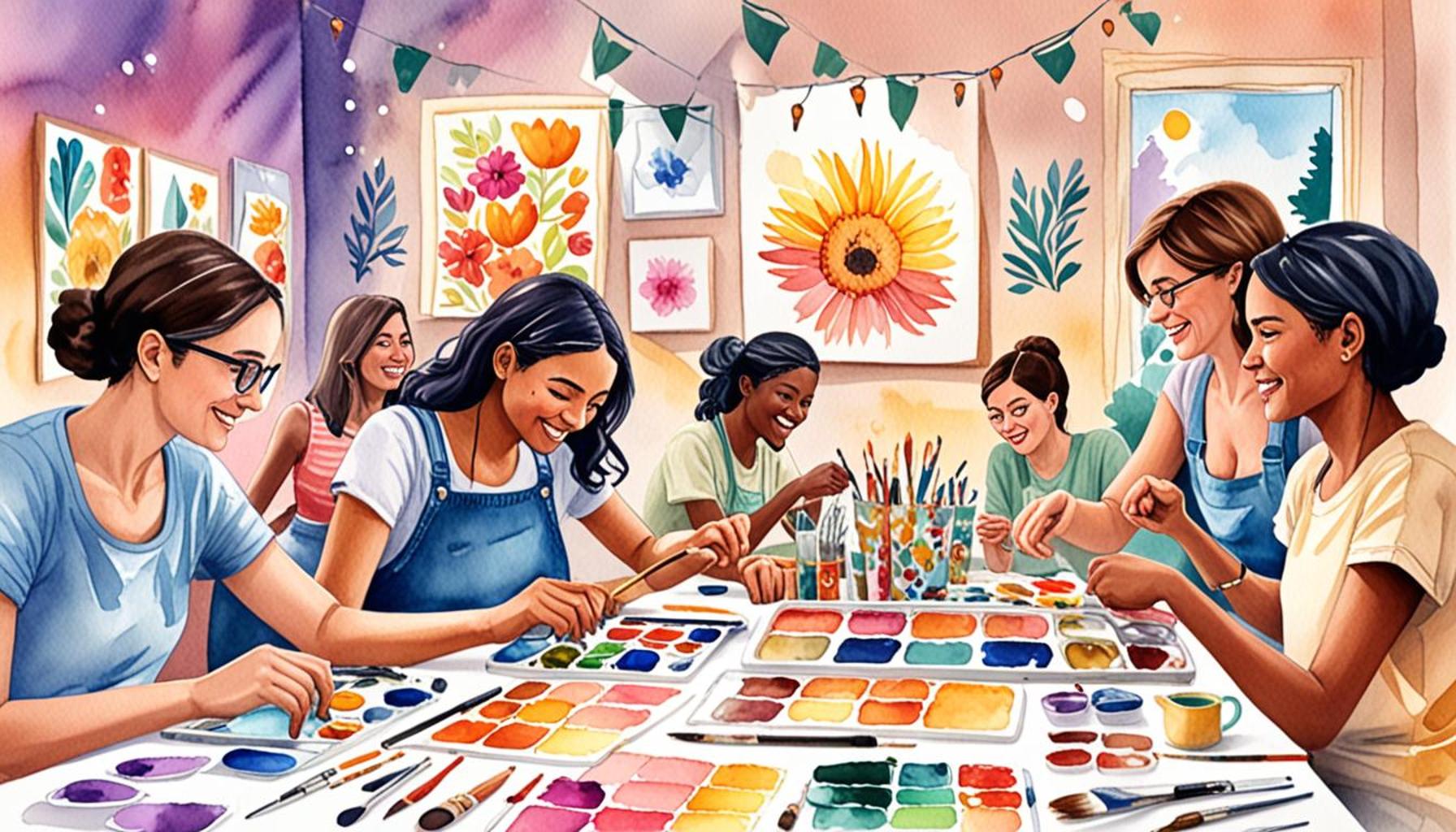
The upcycling movement has fostered a sense of community among enthusiasts who share a passion for transforming discarded materials into beautiful creations. Community workshops, local meet-ups, and online forums are popping up across the United States, inviting everyone from beginners to experienced crafters. Join forces with like-minded individuals to share tips, resources, and project ideas, building a supportive network that encourages sustainable practices.
Moreover, local thrift stores and garage sales offer a treasure trove of materials waiting to be upcycled. Visiting these places not only supports local businesses but also promotes a circular economy by giving items a second chance. Whether it’s a chipped vase, outdated furniture, or even scrap fabrics, these found items can serve as the base for your next creative endeavor.
In recent years, educational institutions and community organizations have recognized the benefits of upcycling, offering classes and workshops to teach individuals how to effectively use materials that would typically go to waste. Being part of these courses can empower you to explore your creativity while learning valuable skills that can be applied to various projects.
As the upcycling trend continues to grow, its impact on our environment and our communities underscores its significance. Innovation, creativity, and sustainability blend seamlessly in upcycling, allowing us to cherish everyday materials as unique sources of potential and possibility.
DIVE DEEPER: Click here to discover the blend of cooking and storytelling
Conclusion: Embracing the Upcycling Movement
In a world increasingly focused on sustainability, upcycling stands out as a powerful approach to reimagining our consumption habits. By transforming everyday materials into innovative craft projects, individuals are not only minimizing waste but also creating unique works of art that reflect their personal styles. As we explored various ways to repurpose items like glass jars, old t-shirts, and wooden pallets, it became clear that the possibilities are limited only by our creativity.
The community surrounding upcycling has blossomed into a vibrant network, encouraging collaboration among crafters and promoting environmental awareness. Through workshops and online platforms, enthusiasts are sharing tips, techniques, and project ideas that inspire others to join this sustainable movement. Supporting local thrift stores allows for a direct impact on communities while fostering a circular economy that gives new life to abandoned items.
Moreover, educational initiatives are paving the way for future generations to appreciate the value of upcycling. As more people recognize the environmental significance of repurposing materials, they inevitably become more mindful consumers, which is essential for addressing the staggering levels of waste generated each year.
Ultimately, upcycling transcends mere crafting; it embodies a lifestyle choice that champions environmental responsibility and fosters creativity. By embracing this trend, individuals can make profound contributions to their communities and the planet while unlocking their artistic potential. As you embark on your upcycling journey, remember that with a little imagination, the mundane can become extraordinary.