Unusual Instruments: Discovering New Sounds and Styles in Music
Unveiling Unique Musical Instruments
Music serves as a reflection of human experience, where every note and rhythm carries stories of pain, joy, struggle, and triumph. Among the many avenues of this art form, unconventional instruments play a vital role in both broadening the musical palette and sparking innovative creativity. By stepping outside the bounds of traditional instruments, musicians are increasingly embracing these unique tools, resulting in fresh and compelling sounds that resonate with diverse audiences all over the world.
Take for example the Theremin. Invented in the 1920s, this electronic instrument is distinct due to its touchless interface. Musicians create sound by moving their hands in proximity to two metal antennas, which control pitch and volume. The otherworldly sounds produced by the Theremin have echoed through soundtracks of old science fiction movies, evoking feelings of wonder and eeriness. This characteristic has captivated contemporary artists like Brian Wilson of The Beach Boys and more recently, the indie band “The New Pornographers,” showcasing its versatility across genres.
Another striking example is the Hang Drum, a relatively modern instrument shaped like a UFO and known for its serene and tranquil tones. Invented in Switzerland in the early 2000s, it has quickly gained popularity not just in world music contexts but also in wellness and meditation circles. Musicians often use it to create ambient soundscapes, which have been embraced in yoga studios and relaxation playlists. Artists like Hang Massive have successfully popularized this instrument, illustrating its emotional depth and capacity for connection.
Furthermore, the Glass Armonica, created by Benjamin Franklin in the 18th century, has made a remarkable return to contemporary performances. Creating music by rubbing wet fingers along the rims of glass bowls tuned to different pitches, this instrument produces delicate and ethereal sounds that evoke emotion like no other. Its haunting melodies have attracted the attention of modern entertainers such as folk artist Lisa Gerrard, further proving the instrument’s timeless allure.
These intriguing unusual instruments enrich the music scene not only with their unique sounds but also by motivating artists to challenge existing musical boundaries. The incorporation of such instruments often leads to collaborative projects where musicians fuse various styles, encouraging them to explore new possibilities and reimagine musical genres. This evolution is exemplified by the rise of genres such as “crossover” and “fusion,” where traditional rhythms meet modern aesthetics.
Ultimately, the incorporation of unconventional instruments into today’s musical landscape highlights a remarkable blend of tradition and modernity. With technology continuously advancing, these instruments stand as a symbol of innovation, continually reshaping the way we define and experience music. As we delve deeper into the unique sounds they produce, we invite you to join this exploration of creativity and daring expression that transcends the ordinary.
DISCOVER MORE: Click here to explore festive DIY ideas
Exploring Enigmatic Instruments Across Cultures
The world of music is an expansive tapestry woven from myriad cultures, each contributing to the rich diversity of sounds and styles. As musicians and composers from various backgrounds collaborate, they often pursue unusual instruments from across the globe, leading to exciting hybrid sounds that enchant listeners. This exploration not only enhances creativity but also fosters cultural appreciation and understanding.
One compelling example of a unique instrument is the Djembe, a hand-played drum that originates from West Africa. Known for its deep bass and crisp tones, the djembe is traditionally used in communal celebrations and rituals. The ease of learning to play the djembe has made it a popular choice beyond Africa, with various drum circles and percussion ensembles embracing its rhythmic potential. Contemporary groups such as Stomp have highlighted the instrument in their performances, showcasing how this traditional tool can traverse genres from world music to pop.
An equally fascinating instrument is the Saw. Yes, you read that correctly—the common hand saw! With the right technique, musicians can create hauntingly beautiful melodies from this everyday tool. By using a bow, like a violinist would, performers evoke poignant sounds that have found a place in folk music and film scores alike. The saw’s emergence in contemporary music has drawn the attention of artists such as Jasper Fforde and the Old Crow Medicine Show, enhancing their songs with unique tonal characteristics.
Furthermore, we have the Hardanger Fiddle, a traditional Norwegian instrument featuring sympathetic strings that resonate beneath the surface. Unlike typical violins, the Hardanger fiddle produces a rich, layered sound, making it ideal for folk tunes steeped in storytelling. Its revival among modern folk musicians signifies a growing interest in maintaining cultural heritage through music. Artists like Rachael McShane have breathed new life into this instrument, merging its robust Nordic tones with contemporary pieces.
As musicians tap into these unconventional instruments, a broader movement emerges that emphasizes the beauty and complexity of global musical heritage. By integrating instruments such as the djembe, saw, and Hardanger fiddle into their repertoires, artists not only create unique sounds but also celebrate the rich cultural narratives that these instruments carry. Below are just a few benefits of exploring unusual instruments in modern music:
- Innovative Soundscapes: Integrating new instruments leads to the creation of fresh auditory experiences.
- Cross-Cultural Appreciation: Musicians have the chance to explore and understand different cultures through their musical traditions.
- Enhanced Collaboration: Unusual instruments often encourage artists to work together, breaking down genre barriers.
The movement toward embracing unusual instruments amplifies a larger conversation about the ever-evolving nature of music. As artists continue to explore the possibilities offered by these unique tools, the door opens wider for new sounds and styles that challenge traditional definitions of music. This journey of discovery not only shapes individual careers but contributes to the dynamic, interconnected world of contemporary music.
Exploring Unique Musical Textures
Unusual instruments bring a rich diversity to music, unlocking alternative sounds and innovative styles that fuel creativity. From the ethereal notes of the theremin to the resonant echoes of the hang drum, these instruments challenge conventional musicianship, allowing for explorative experimentation.
Consider the saw, an often-overlooked instrument that uses a flexible blade as a musical medium. When played with a bow, it produces haunting melodies reminiscent of a singing voice, often featured in folk and avant-garde compositions. Artists who embrace the saw find themselves at the forefront of an ever-evolving musical dialogue.
In addition to enhancing personal expression, unusual instruments can also foster collaboration among diverse musical traditions. For instance, the mbira, or thumb piano from Africa, blends seamlessly with contemporary genres, creating fresh soundscapes that resonate with global audiences. By integrating instruments from various cultures, musicians can not only redefine their own sound but also pay homage to their origins.
The growing interest in unusual instruments even extends to educational settings, where musical workshops are incorporating these unique tools to inspire new generations of musicians. Schools and community centers are witnessing an uptick in programs featuring lesser-known instruments, guiding students on journeys of sonic discovery and encouraging them to think outside the standard musical box.
Revolutionizing Music Production
The advent of digital technology has further paved the way for unusual instruments to find a niche in modern production. Sound designers and producers are constantly experimenting with analog instruments like the glass armonica or digitally sampling folk instruments from around the world to create hybrid sounds. This blending of traditional and modernity is not only a creative outlet but also a way to preserve musical heritage in an age of rapid technological advancement.
Astoundingly, music genres such as world music, experimental, and fusion thrive on the innovation brought about by unusual instruments. This continuous quest for sonic experimentation does not merely enrich the musical landscape; it engenders a community of artists and enthusiasts eager to push the boundaries of sound and style.
| Advantages | Unique Aspects |
|---|---|
| Innovative Sounds | Unusual instruments create distinct sound profiles that attract attention. |
| Cultural Fusion | Blends traditional and contemporary sounds, fostering global music dialogues. |
| Creative Collaboration | Encourages artists to collaborate across genres, enhancing musical experiences. |
Each unusual instrument serves as a portal into new realms of musical expression, binding various styles while evoking emotions that resonate across cultural divides. As the music industry continues to evolve, the integration of these enchanting instruments will undoubtedly shape the sounds of tomorrow.
DISCOVER MORE: Click here for creative prompts
Unveiling Unique Instruments with Surprising Capabilities
While many people may be familiar with the traditional orchestral setup, the realm of unusual instruments transcends boundaries and expands the possibilities of musical expression. Among these fascinating tools, the Theremin stands out as one of the most unique electronic instruments, with roots tracing back to the early 20th century. Invented by Russian engineer Léon Theremin in 1920, the Theremin produces music through the movement of the performer’s hands in proximity to two metal antennas—one for pitch and the other for volume. This instrument creates an ethereal sound often associated with classic sci-fi films and has been embraced by musicians like Jim Mooney and the iconic band Radiohead. The Theremin invites experimentation, allowing musicians to explore uncharted soundscapes and performance dynamics.
Another instrument that is gaining renewed attention is the Hang Drum, a relatively new addition to the percussion world. Developed in Switzerland in the early 2000s, this melodic percussion instrument is crafted from metal and tuned to specific notes to create harmonious sounds that evoke a serene atmosphere. The Hang Drum is played by striking its surface with the hands, producing resonant tones that inspire relaxation and reflection. Its portability and captivating sound have made it a staple in yoga studios and meditation sessions, as well as a popular choice among street performers in urban settings. Artists such as Daniel Waples have brought the Hang Drum to the forefront of contemporary music, exploring its rich potential in various genres.
The Ukulele is another instrument worth highlighting, particularly as it has grown in popularity across diverse musical landscapes. Originating from Hawaii, this small, guitar-like instrument has carved out a significant place in pop culture and music education. Characters like Israel Kamakawiwo’ole have brought the ukulele into the limelight, using its joyful tones to reinterpret familiar songs. The ukulele’s distinctive sound and versatility allow it to cross genres—from traditional Hawaiian music to folk and even rock—making it an invaluable asset for musicians seeking to enliven their compositions.
In addition to these examples, the world is filled with countless other unusual instruments that redefine what music can be. The Didgeridoo, an ancient wind instrument from Australia, produces deep, resonant tones that are captivating to the ear. Similarly, the mystical sounds of the Erhu, a two-stringed bowed instrument from China, deliver a unique quality that tells stories through its emotive melodies. Instruments like these highlight the global musical innovation that is steadily occurring as artists continue to seek inspiration and integrate various influences into their work.
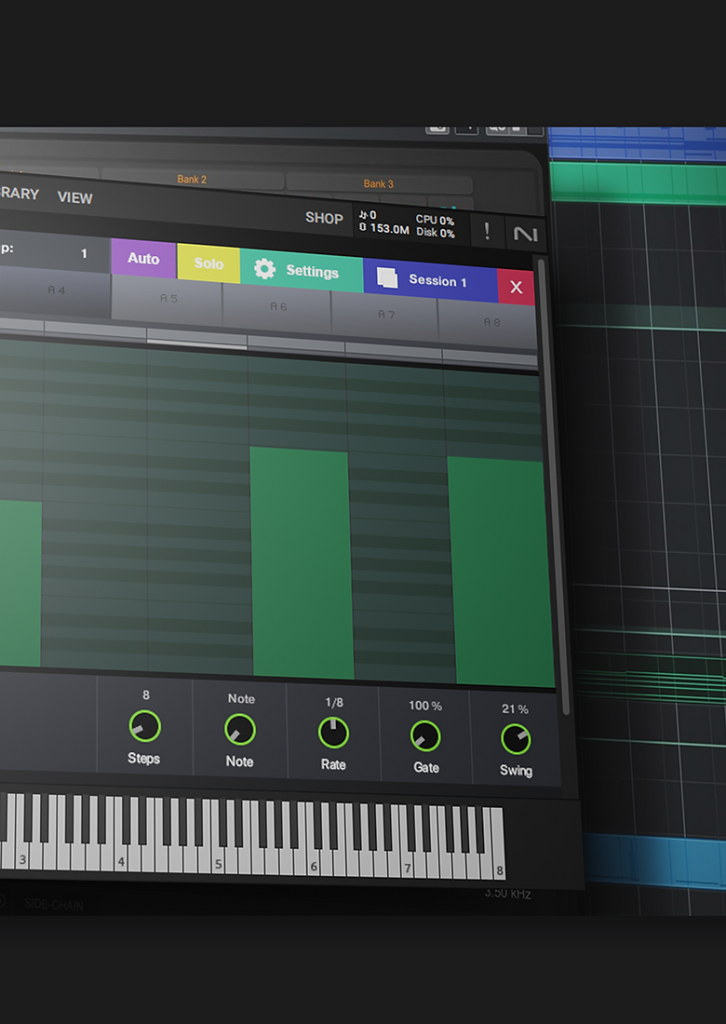
The rise of technology also plays a crucial role in this exploration. With advancements in digital audio workstations and software instruments, musicians can capture and manipulate the sounds of these unusual instruments in ways that push the boundaries of creativity. Innovations like the loop pedal allow artists to layer their musical ideas, crafting intricate compositions that showcase their newfound textures and tones. Such technology has opened the doors to experimentation, enabling musicians to seamlessly blend traditional and modern sounds into fresh, vibrant pieces.
As we delve deeper into the sonic world of unusual instruments, it becomes increasingly clear how they enrich the musical canvas. Through the integration of these diverse tools, artists foster deeper connections with their audiences while celebrating the cultural heritage and stories behind each sound.
DISCOVER MORE: Click here to dive deeper
Conclusion: Expanding the Horizons of Musical Creativity
In our exploration of unusual instruments, we’ve witnessed how these unique tools play a vital role in reshaping musical landscapes and inspiring innovation. From the ethereal notes of the Theremin to the serene vibrations of the Hang Drum, each instrument holds the power to evoke emotion, spark creativity, and expand the possibilities of sound. The resurgence of instruments like the ukulele, coupled with age-old traditions like the Didgeridoo and Erhu, illustrates a global dialogue where different cultures intertwine, giving birth to rich and diverse musical styles.
The advent of modern technology enhances this exploration, allowing artists to manipulate and hybridize sounds in imaginative ways. As digital audio workstations and loop pedals become commonplace, musicians have the opportunity to create intricate layers that redefine their art. This technological synergy with unusual instruments also enables emerging artists to break barriers, encouraging collaboration across genres and cultural backgrounds. Consequently, we witness a vibrant tapestry of sound that resonates with audiences far and wide.
As musicians and enthusiasts continue to experiment with and discover new sounds and styles, it becomes evident that the journey through unusual instruments is not merely a quest for novelty. Instead, it invites us to delve deeper into the stories and philosophies behind each sound, fostering a greater appreciation for cultural heritage and the universal language of music. So, whether you’re a seasoned musician or a curious listener, embracing the unconventional could lead you to unimagined realms of auditory delight and artistic expression.