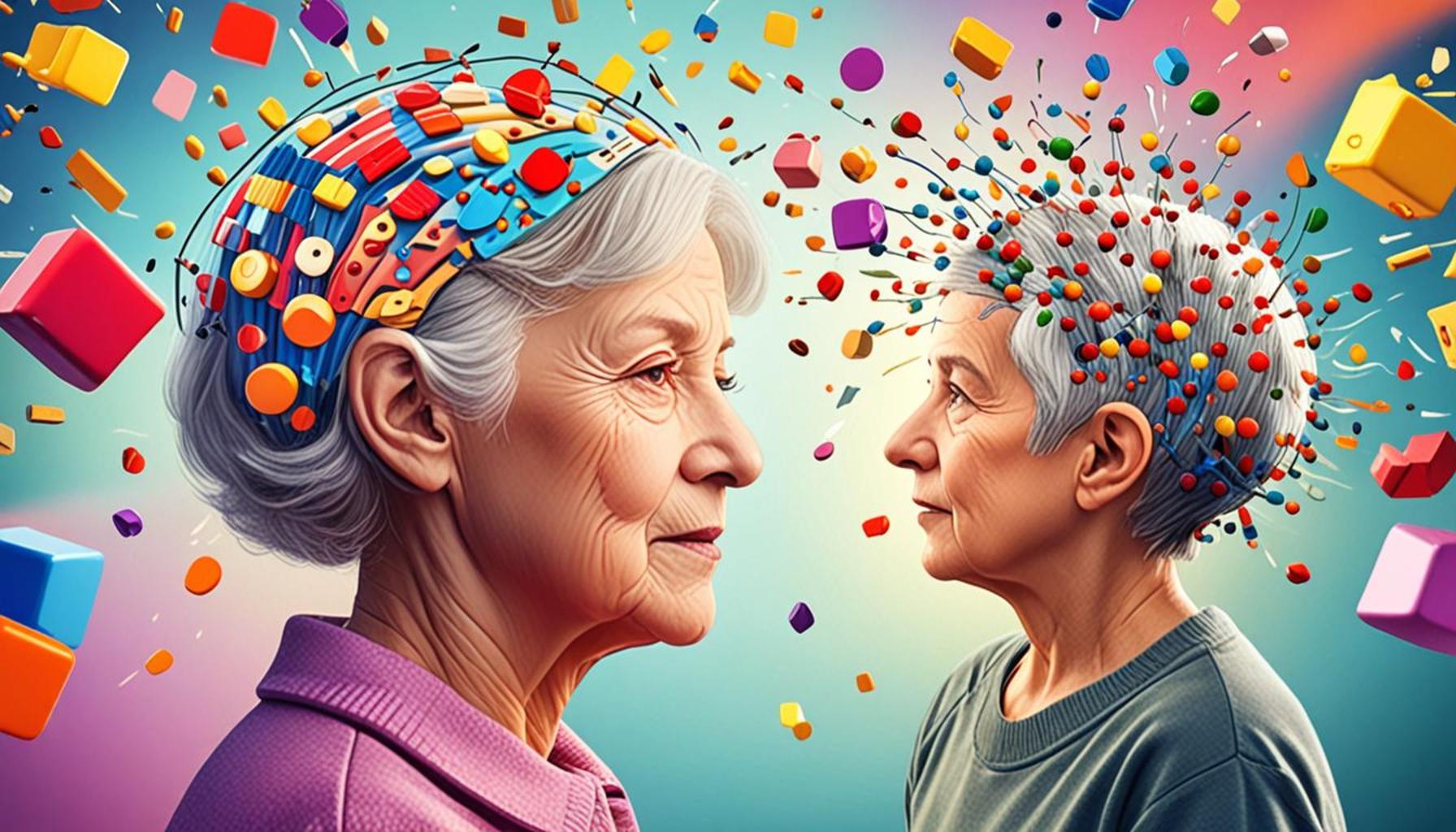
The Role of Brain Teasers in Enhancing Memory Retention
The Power of Mental Challenges
In a fast-paced world, where information overload is common, enhancing memory retention is more essential than ever. Brain teasers, such as riddles, puzzles, and other mental challenges, can play a pivotal role in achieving this goal. These engaging activities not only entertain but also strengthen cognitive functions, ensuring that our minds remain agile despite the demands of our daily lives.
There are numerous forms of brain teasers that individuals can engage with, spanning from crossword puzzles to Sudoku and logic games. Each of these activities provides unique mental exercises that contribute to cognitive health. Here are a few reasons why incorporating brain teasers into your routine is not only fun but fundamentally beneficial:
- Boost Cognitive Flexibility: Engaging with diverse challenges encourages the brain to adapt and think outside the box. This adaptability is crucial in a world that requires quick adjustments and innovative solutions.
- Improve Problem-Solving Skills: By tackling complex scenarios, individuals enhance their analytical thinking abilities. For instance, when faced with a Sudoku puzzle, one must utilize logical reasoning to deduce where each number fits. This type of thinking is transferable to real-life situations, such as decision-making in the workplace.
- Enhance Memory: Linking concepts in puzzles aids in better information retention. For example, solving a riddle that requires remembering a sequence or pattern can bolster one’s memory capabilities, making it easier to recall information when needed.
Research supports the notion that consistently practicing brain teasers can lead to significant improvements in memory performance. Studies published in journals such as the “Journal of Applied Cognitive Psychology” have shown that individuals who regularly engage in mental exercises exhibit stronger memory retention and cognitive sharpness. Moreover, this positive impact is not limited to younger individuals; brain teasers offer a playful yet effective way to keep minds sharp as we age, fostering a sense of accomplishment and boosting self-esteem.
As we delve deeper into this fascinating relationship between brain teasers and memory retention, you’ll discover how these simple yet powerful tools can fundamentally change the way you process, understand, and recall information. Whether it’s a morning crossword or an evening Sudoku session, integrating brain teasers into your daily routine can be a highly rewarding endeavor, leading not just to better focus but also to a more enriched mental landscape.
In conclusion, the next time you find yourself with a spare moment, consider reaching for a brain teaser instead of your phone. You might just be unlocking new levels of cognitive potential that you never knew existed.

DISCOVER MORE: Click here to enhance your knowledge
Understanding Memory and Its Mechanics
Human memory is a complex system, involving the acquisition, storage, and retrieval of information. With various types of memory—such as short-term, long-term, and working memory—understanding how these processes operate can shed light on the importance of brain teasers in enhancing cognitive abilities. Brain teasers serve as stimulating exercises that not only engage the mind but also promote the essential functions of memory.
When we engage in brain teasers, multiple cognitive processes come into play. For instance, solving a riddle requires us to analyze the clues presented, thereby activating our working memory. This immediate, short-term memory allows us to hold and manipulate information temporarily, facilitating the solution of the puzzle. Furthermore, successfully completing these mental tasks requires us to draw upon past experiences and knowledge stored in our long-term memory, creating a dynamic interplay that strengthens memory retention.
Here are several mechanisms through which brain teasers can enhance memory:
- Active Engagement: The act of focusing on a brain teaser requires active participation, which is vital for deeper learning. Engaged learners retain information more effectively compared to passive readers or listeners.
- Pattern Recognition: Many brain teasers demand the identification of patterns or sequences. This ability not only improves problem-solving skills but also enhances memory by enabling the brain to link new information to known concepts.
- Repetition and Reinforcement: Regularly solving brain teasers offers a form of repetition that reinforces learning. This frequent engagement helps to solidify information in memory, making it easier to retrieve when needed.
Moreover, brain teasers can be tailored to individuals’ specific interests and skill levels, adding an element of personalization to the experience. This customization ensures higher levels of motivation, leading to more consistent practice. For example, for someone who enjoys numbers, a challenging math puzzle might stimulate their cognitive engagement, while a literature enthusiast might prefer a wordplay riddle. This element of choice is crucial, as it encourages a sustained connection to the activity, which is essential for long-term memory enhancement.
Interestingly, the benefits of brain teasers extend beyond mere information retention. Engaging in these activities has been associated with improved emotional well-being and reduced stress levels. As individuals delve into creative problem-solving, they often experience a sense of achievement, which fosters a positive self-image and enhances motivation to tackle future challenges. Such mental triumphs can create a rewarding feedback loop, further encouraging the pursuit of cognitive challenges.
In summary, the multifaceted relationship between brain teasers and memory retention is compelling. By actively engaging with these mental challenges, individuals can not only improve their cognitive flexibility and analytical skills but also lay the groundwork for stronger memory processes. As we explore further, we will uncover practical strategies for incorporating brain teasers into our daily routines to maximize these benefits.
| Advantages | Explanation |
|---|---|
| Improved Cognitive Flexibility | Solving brain teasers encourages thinking outside the box, leading to better problem-solving skills. |
| Enhanced Concentration | Focusing on brain teasers can improve attention span, crucial for retaining information. |
| Stronger Memory Connections | Engaging with brain teasers creates strong neural pathways, aiding in long-term memory retention. |
| Increased Retention Rates | Regularly tackling challenges improves retention of facts and enhances recall abilities. |
The advantages of incorporating brain teasers into daily activities can be profound. Engaging with these puzzles not only bolsters cognitive flexibility but also sharpens concentration skills. Research indicates that just a few minutes spent on challenging brain teasers can significantly strengthen memory connections, creating robust neural pathways in the brain. As a result, individuals who integrate these mental exercises into their routines often experience increased retention rates. This enhancement is particularly beneficial in educational settings, where the ability to recall information is critical. As we delve deeper into the world of brain teasers, the benefits on memory retention become increasingly compelling, inviting further exploration into their potential applications.
DISCOVER MORE: Click here for insights on enhancing cognitive health
Unlocking the Power of Cognitive Challenges
As we delve deeper into the implications of brain teasers, it becomes apparent that these cognitive challenges are not merely tools for entertainment; they serve a crucial role in enriching our brain’s capabilities. Research indicates that regularly engaging in brain teasers can significantly improve aspects of cognitive functioning, particularly for aging populations. A study published in the journal “Psychological Science” found that seniors who participated in weekly brain training exercises exhibited enhanced memory retention compared to those who did not partake in such activities. This intriguing finding underscores the potential of brain teasers as a preventative measure against cognitive decline.
In addition to improving memory retention, brain teasers provide a unique avenue for fostering creativity. The interconnectedness between memory and creativity is often overlooked, yet solving complex problems encourages innovative thinking. Engaging with brain teasers prompts individuals to think outside the box, which may catalyze new ideas or solutions. An article in “The Creativity Research Journal” highlighted how cognitive challenges stimulate areas of the brain associated with divergent thinking—where solutions to problems are generated through unorthodox ideas and creative connections. This revelation positions brain teasers as not only memory enhancers but also as potential catalysts for creativity.
Furthermore, the social aspect of engaging with brain teasers can be equally beneficial. Clusters or groups that tackle these puzzles together foster teamwork, communication, and shared problem-solving, all of which are vital in reinforcing memory. Whether through a casual game night with friends or participation in competitive puzzle-solving tournaments, social interactions inherently stimulate discussion and thought exchange, offering a communal memory enhancement experience. In fact, memory is often better retained in social contexts due to the incorporation of feedback and shared learning experiences.
The digital era has further revolutionized access to brain teasers. With an abundance of apps and websites dedicated to puzzles, individuals now have the opportunity to challenge themselves in innovative ways. From logic puzzles to interactive quizzes, these resources cater specifically to various interests and cognitive levels. A report by Statista noted that approximately 250 million people in the U.S. engage with brain-training applications. This trend illustrates a growing collective understanding of the significance of mental challenges in daily life, reinforcing the idea that brain teasers can be seamlessly integrated into our routines.
Moreover, incorporating brain teasers into educational environments has shown a positive impact on students’ memory retention abilities. Educators who include puzzles, quizzes, and riddles as strategic tools in their curriculum find that students are better able to recall information and apply knowledge creatively. The modeling of intricate concepts through brain teasers equips learners with the ability to link abstract theories to tangible experiences, thereby solidifying information in their minds.
As we explore the multidimensional benefits of brain teasers, it is essential to recognize how these activities contribute to cognitive health across various demographics. By embracing the challenge presented by brain teasers, individuals not only enhance their memory retention but also cultivate a more robust problem-solving capacity, creative thinking skills, and social interactions—all essential components of our cognitive landscape as we navigate the complexities of modern life.
DISCOVER MORE: Click here to enhance your child’s development
Final Thoughts on Brain Teasers and Cognitive Health
In conclusion, the role of brain teasers in enhancing memory retention is both profound and multifaceted. Engaging with these cognitive challenges not only stimulates memory improvement but also enriches creativity, encourages social interaction, and builds critical problem-solving skills. As demonstrated through research and various studies, individuals, particularly within aging demographics, can benefit significantly from regular puzzle-solving activities, which serve as vital exercises for mental agility and reminiscence.
Moreover, the advent of digital platforms makes these cognitive tools more accessible than ever, allowing people of all ages to integrate brain teasers into their daily routines conveniently. The incorporation of these activities into educational settings further illuminates their potential in enhancing learning outcomes and sustaining knowledge retention among students. As the shift towards mental wellness continues to gain traction, brain teasers present an enjoyable approach to nurturing our cognitive health.
Ultimately, investing time in brain teasers goes beyond mere entertainment; it becomes a proactive strategy for individuals looking to bolster their mental faculties. As communication technologies evolve, fostering connections through collaborative problem-solving can amplify these memory-enhancing benefits. As you consider your own cognitive health in this fast-paced world, remember that the delightful challenge of brain teasers can open new avenues not only for memory retention but for a richer, more innovative thought process.