The Power of Community: How Crafting Groups Are Transforming Lives and Strengthening Bonds
Exploring the Impact of Crafting Communities
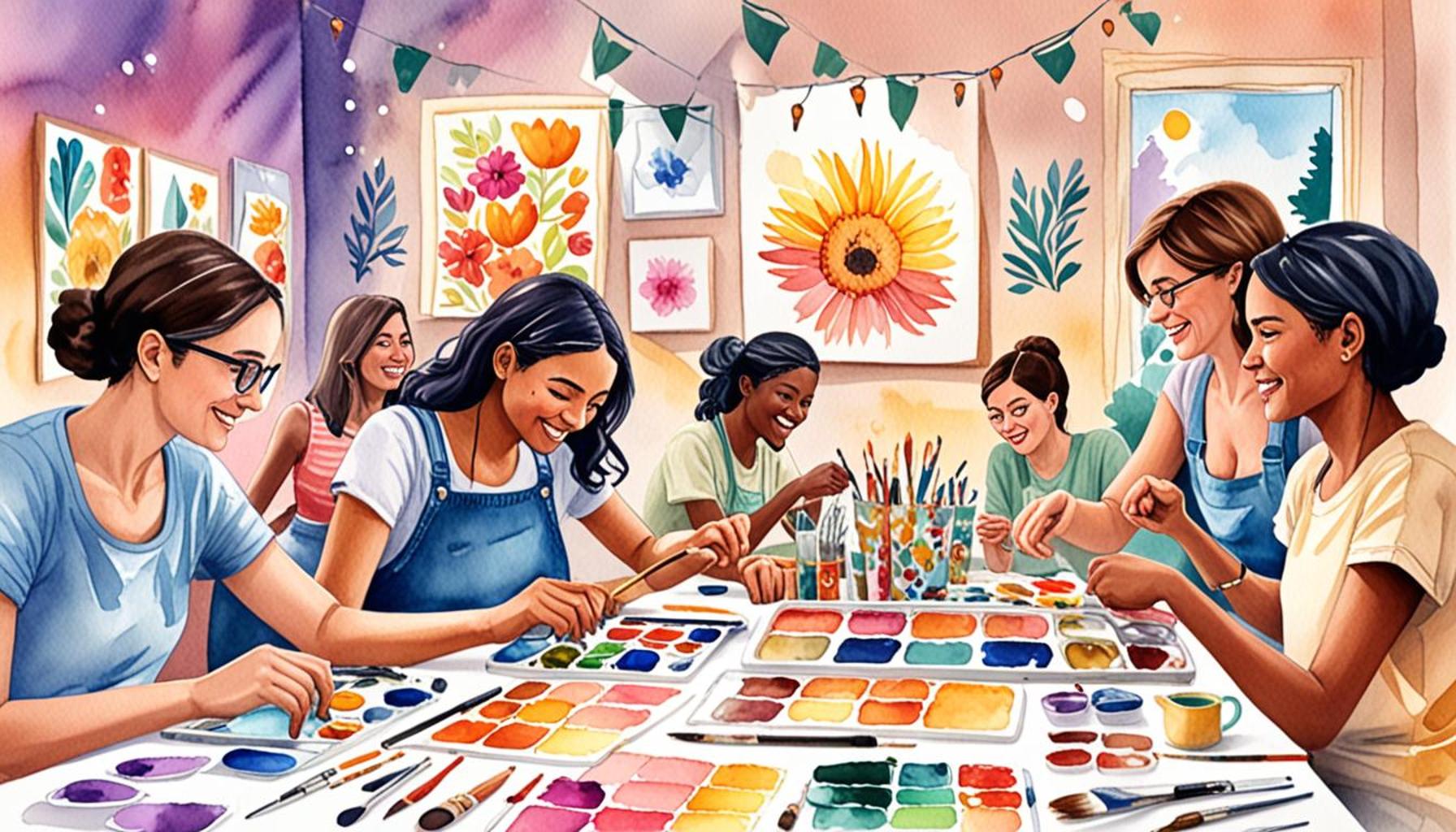
In today’s fast-paced world, the significance of community connections often gets overshadowed by the relentless pursuit of individual success. However, a remarkable shift is occurring within crafting groups, where individuals come together to create not just art, but lasting bonds. These communities serve as important touchstones for social interaction, creativity, and emotional growth, transforming lives in ways that many may not realize at first glance.
Crafting, which includes activities such as knitting, sewing, woodworking, and pottery, has become a shared experience transcending age, background, and skill level. Participants in these communities find a welcoming space that allows them to express their creativity freely. For example, a knitting circle in a local library invites everyone from beginners who are learning to knit their first scarf to seasoned knitters who are creating complex patterns. This inclusivity fosters a sense of belonging and encourages individuals to step outside their comfort zones.
- Creativity and Expression: Through various crafting mediums, members can explore their artistic sides. Crafting not only allows for personal expression but also encourages innovation. Many crafter communities host seasonal workshops where people can create items relevant to holidays or community needs, such as handmade toys for children during the festive season.
- Emotional Support: Crafting provides a platform for sharing experiences. In a busy world, these groups often become a safe haven where members talk about their struggles and triumphs. This exchange of stories serves as emotional support, fostering understanding and camaraderie. For instance, after a particularly challenging week, a member may share their experiences of grief, prompting others to connect through similar feelings, ultimately leading to a healing process.
- Skill Development: Members learn new techniques and enhance their abilities—empowering their artistic journey. Many crafting groups offer regular classes or tutorials that cover everything from novice introductions to advanced techniques. This not only helps improve skills but also builds confidence in personal abilities, proving that each project completed is a step toward mastery.
The impacts of these crafting communities are profound and far-reaching. Numerous studies indicate that engaging in craft activities significantly enhances mental health and well-being. For example, a survey conducted by the Craft Yarn Council reported that 87% of respondents felt that crafting positively affected their mental health, leading to reduced feelings of stress and anxiety.
As these groups continue to grow across the United States, they are becoming essential lifelines for many. Whether it’s a quilting bee in rural America or a pottery class in an urban neighborhood, these crafting circles are stitching together not only fabric and clay but the very fabric of community life itself.
What drives this trend, and how do local crafting groups foster connections? As we delve deeper into this phenomenon, we discover how simple acts of creation can lead to powerful transformations in both individuals and communities. Each crafted piece holds a narrative, harmonizing skills, experiences, and human connections into something greater than its individual parts.
EXPLORE MORE: Click here to transform your wardrobe
The Healing Nature of Crafting Communities
Crafting communities serve as powerful platforms for connection, bringing people together through their shared love for creating. These groups are much more than just gatherings focused on artistic expression; they play a critical role in promoting mental health and emotional well-being. When individuals engage in hands-on activities such as knitting, crocheting, or woodworking, they often experience a cathartic release. This is particularly significant in an age where mental health issues are on the rise, and many people find themselves battling feelings of isolation and anxiety.
One of the core benefits of crafting communities is their ability to foster social interactions. In many urban and rural locales across the United States, local crafting circles offer spaces where individuals can create while conversing. These interactions can lead to newfound friendships and relationships, helping individuals feel less alone. For instance, a study by the American Craft Council found that 76% of participants in crafting groups reported feeling a sense of belonging, a crucial element for mental health.
- Building Connections: Crafting groups span diverse demographics, drawing in participants from different backgrounds, ages, and experiences. This diversity enriches discussions and encourages the exchange of ideas, ultimately creating an environment where members feel comfortable sharing their thoughts and stories.
- Encouraging Collaborative Efforts: Many crafting groups take on community projects, creating items for donation to local charities or schools. Such efforts not only enhance the quality of life for those in need but also strengthen the bonds among group members as they work towards a common goal.
- Creating Lifelong Bonds: The act of crafting together leads to shared experiences that form the foundation of enduring friendships. As members collaborate on projects, they create lasting memories that deepen their connections. Many groups celebrate milestones such as birthdays or personal achievements, reinforcing the support network that these communities offer.
Moreover, the act of making something tangible fosters a sense of accomplishment that resonates deeply. Each completed project is not merely an object; it encapsulates the time, effort, and creativity invested by its creator. This feeling of mastery can contribute immensely to a person’s self-esteem and sense of purpose. For many, these crafting circles have become a second family, where challenges and victories are collectively acknowledged.
In the context of fluctuating social landscapes, such crafting communities have emerged as critical support networks. They provide a refuge where individuals can be vulnerable and open, knowing they are surrounded by others who value their experiences. Crafting, therefore, is not just about the product; it is equally about cultivating community, improving mental health, and strengthening interpersonal bonds.
As we dive deeper into the myriad of impacts these crafting groups have on individual lives and communities, it becomes clear that every stitch, brushstroke, or carving brings people closer together—knitting not just fabrics, but the very fabric of society itself.
| Category | Description |
|---|---|
| Social Connections | Crafting groups create a sense of belonging, providing members with opportunities to forge lasting friendships and networks. |
| Skill Development | Members enhance their crafting skills through shared knowledge, leading to personal growth and greater creativity. |
Crafting groups are more than just hobbies; they act as vital platforms for social interaction, where individuals quickly find common ground. Engaging in creative activities enables participants to share their experiences, making each gathering not only productive but also enriching. The supportive atmosphere encourages members to express themselves freely, strengthening interpersonal connections and community bonds.Additionally, the collaborative nature of these groups fosters an environment that is ripe for learning. Members often witness profound transformations in their craft skills over time, benefiting not just personally but also professionally as they gain confidence. The synergy of ideas, coupled with enriched knowledge from fellow crafters, significantly boosts creativity and motivates individuals to pursue projects they might have shied away from alone.As crafting groups continue to proliferate, more individuals will realize the immense value that community can add, driving home the message that collaboration is the key to personal fulfillment. Each meeting is a testament to the adage that we are indeed stronger together.
DON’T MISS OUT: Click here for budget-friendly decor ideas
The Role of Crafting in Personal Development
Beyond the immediate benefits of connection and community, crafting groups also serve as significant avenues for personal development. The process of creating something from scratch or contributing to a collaborative piece requires not just creativity, but also problem-solving skills, and patience. For individuals looking for growth, these communities offer a non-threatening space to acquire new talents and refine existing ones.
Many crafting groups are stepping stones for members to explore their creativity in ways they may not otherwise have considered. Workshops often lead to the introduction of new techniques, from advanced painting styles to intricate quilting methods. This exploration can enhance an individual’s confidence, motivating them to step beyond their comfort zone. A recent survey conducted by the Craft Yarn Council revealed that 86% of crafters felt more confident after participating in group activities.
- Skill Enhancement: The diverse array of skills present within crafting groups allows participants to learn from one another. For instance, a member experienced in basket weaving might teach others about their techniques, while a quilting expert could introduce others to complex patterns. This exchange enriches the collective knowledge of the group.
- Improving Mental Agility: Crafting requires concentration and focus, ultimately exercising the brain. This engagement helps sharpen cognitive functions and can even assist in delaying cognitive decline as members age.
- Goal Setting and Achievement: Crafting communities often emphasize project-based work that encourages setting and achieving goals, no matter the size. Completing a challenging project fosters a sense of accomplishment, which can translate into other areas of life, providing motivation for personal and professional pursuits.
Moreover, these settings often inspire members to share their personal stories, forging deeper connections among participants. Crafting can become a medium through which individuals narrate their experiences, hopes, and aspirations. For example, groups that create quilts for those affected by life-altering events, such as natural disasters or health crises, provide emotional narratives woven into their fabric. The act of contributing to a cause larger than oneself can cultivate purpose and fulfillment, further enhancing the emotional benefits of crafting.
The societal impact of crafting groups can also extend beyond personal growth to economic contributions. Many communities have witnessed a resurgence in local economies through handmade craft fairs and local artisan shops. Members often transform their passions into profit by selling their creations, which generates income not only for themselves but also for local businesses. A report from the Handmade Business magazine states that the DIY craft sector contributes over $43 billion annually to the U.S. economy.
As crafting communities continue to thrive, their potential to enhance personal development, stimulate local economies, and nurture interpersonal connections becomes increasingly significant. These groups highlight the importance of collaborative creativity, reminding individuals that together, they can transform both their own lives and the lives of their communities.
DON’T MISS: Click here to discover creative transformations
Conclusion: The Lasting Impact of Crafting Communities
In summary, the power of community extends far beyond mere social interaction; crafting groups exemplify how collective creativity can cultivate deep personal growth and forge lasting bonds. By providing supportive environments where members can hone their skills and explore their artistic capabilities, these groups offer a unique avenue for individuals to elevate their confidence and enhance their lives.
The fusion of creativity and collaboration engenders an atmosphere of shared experiences, where personal stories are exchanged and transformed into tangible creations. Whether it is through a quilt that tells a story of resilience or a handmade trinket sold at a local fair, the act of crafting together fosters connections that resonate on a deeper emotional level. Such initiatives not only lead to self-discovery but also promote a sense of purpose and fulfillment.
Moreover, the economic contributions emerging from crafting groups are noteworthy. As members actively engage in their crafts, they contribute to local economies, highlighting the profound impact these communities can have on their surroundings. The statistic that the DIY craft sector contributes over $43 billion annually to the U.S. economy underscores the tangible benefits of this creative movement.
As we move forward, it is essential to recognize and support these vibrant communities. They are not just spaces for crafting; they are vital forums for personal transformation, connection, and local revitalization. The ongoing growth and evolution of crafting groups remind us all that every stitch, every bead, and every shared moment can weave a stronger fabric of community—one that uplifts and empowers its members while leaving a lasting legacy.