The Influence of Technology on Music Creation: New Tools and Styles
Transforming Music Creation through Technology
In an age where technology permeates every aspect of life, music creation has undergone a profound transformation. Artists now have access to an impressive array of tools that were once unimaginable, reshaping how music is composed, produced, and experienced. From the rise of electronic music to the viral success of bedroom producers, technology has played a pivotal role in this evolution.
New Tools Revolutionizing the Process
Modern musicians are harnessing technology in innovative ways that enhance their creative potential. Some key examples include:
- Digital Audio Workstations (DAWs) like Ableton Live and Logic Pro have become standard for music production. These software platforms allow artists to record, edit, and mix audio with unparalleled flexibility. For instance, in Ableton Live, musicians can experiment with looping, sampling, and real-time manipulation, facilitating spontaneous creativity.
- Synthesizers such as the Moog Mother-32 or the Roland TR-808 have sparked new genres by producing unprecedented sounds that were previously unavailable. The unique timbres created by synthesizers have influenced pop, hip-hop, and even classical music, proving their versatility across styles.
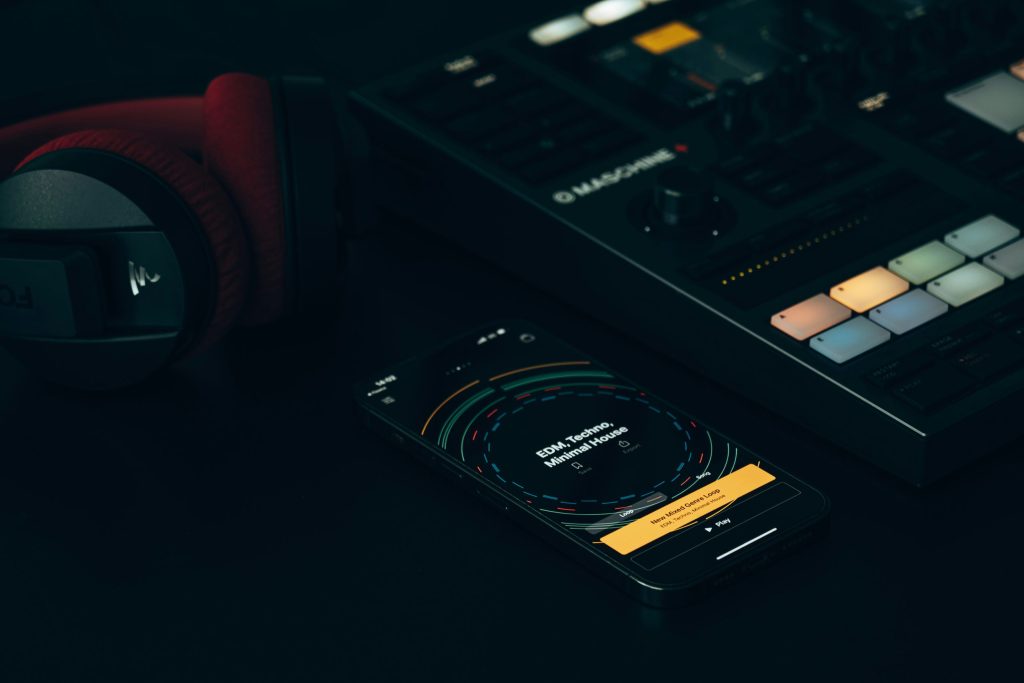
- Music Apps for mobile devices, like GarageBand and FL Studio Mobile, empower users to compose on the go. This accessibility means budding musicians can sketch ideas wherever inspiration strikes, transforming unassuming moments into potential hits.
These tools have not only democratized music production but have also fostered diverse musical styles and genres, making it possible for anyone with a passion for music to create and share their work.
A Shift toward Collaboration and Genre Blending
The digital landscape encourages collaboration across geographical boundaries. This has led to:
- Crossover genres where artists blend diverse influences, such as the emergence of lo-fi hip-hop and EDM as artists integrate various styles into their work. This has created exciting cross-pollinations, giving rise to sounds that are reshaping the music charts.
- Collaborative platforms like Splice and SoundBetter allow musicians to create together, regardless of location. Artists can send tracks back and forth for feedback, making the process more communal and inclusive. Such collaboration has produced remarkable results, exemplified by the way international collaborations have reshaped global hits.
This fusion of technology and creativity challenges traditional notions of music, inviting listeners to discover a world of innovation. Each collaboration or fusion tells a story of shared experiences and genuine creativity.
Societal Impact and Future Prospects
The influence of technology extends beyond the studio. It reshapes music distribution and fan engagement, offering new ways for artists to connect with their audience. Social media platforms like Instagram and TikTok have revolutionized how artists promote their work and interact with fans. Viral trends can catapult a song to fame overnight, showcasing how nimble the industry has become.
As we delve deeper into this topic, we will explore the numerous ways technology continues to impact music creation and the fresh styles emerging from these advancements. Understanding these dynamics not only enhances our appreciation for modern music but also allows us to predict future trends in this ever-evolving landscape.
DIVE DEEPER: Click here to discover the inspiration nature offers
Innovative Instruments and Their Impact on Sound
The introduction of advanced tools in music creation has significantly influenced the way artists compose and produce their work. Today’s musicians benefit from an arsenal of modern instruments and platforms that not only enhance creativity but also redefine the auditory landscape. The synergy between technology and artistry has given rise to new genres and revolutionary sounds, which hold the potential to captivate audiences worldwide.
Accessibility of Music Production Tools
The democratization of music production through technology allows aspiring musicians to access sophisticated tools that were once reserved for professionals in high-end studios. This trend has fostered a surge in independent artists who can now create high-quality music from the comfort of their own homes. Key tools contributing to this accessibility include:
- Home Recording Equipment: With affordable microphones, audio interfaces, and monitors, musicians can now produce studio-quality recordings in their homes. For example, USB microphones provide a simple yet effective option for those creating music with minimal setups, enabling anyone to capture their unique sound.
- Sample Libraries: Artists now have vast libraries of samples at their fingertips, offering a plethora of sounds to experiment with. Platforms like Splice provide endless options for loops and one-shots that can spark creative processes, inspiring musicians to create fresh compositions.
- Online Tutorials and Communities: Artists can advance their skills and knowledge through countless online resources, workshops, and communities. Websites and platforms such as YouTube and Skillshare host tutorials on everything from music theory to software usage, allowing musicians to hone their craft and learn new techniques.
The easy access to these resources has lowered barriers to entry and diversified the music creation landscape, encouraging innovation and experimentation across genres.
Shifting Trends and Emerging Styles
With new tools comes the emergence of distinct music styles. The fusion of technology with creativity leads to exciting trends and previously unexplored musical territories. Notable examples include:
- Electronic Genres: Styles such as trap, ambient, and synthwave have exploded in popularity, driven by advancements in digital synthesis and sampling. The accessibility of synthesizers has made it possible for artists to manipulate sound in ways that were not feasible in traditional music settings.
- Virtual Reality (VR) and Augmented Reality (AR): These technologies are beginning to influence live performances, offering immersive experiences that engage audiences like never before. Artists can create virtual concerts where fans attend from anywhere, eliminating geographical constraints and expanding reach.
- Generative Music: Software that can create music autonomously and adaptively illustrates how technology is pushing artistic boundaries. Artists such as Brian Eno have explored these concepts, demonstrating how algorithm-driven compositions can lead to wholly new listening experiences.
This confluence of innovation and artistry not only changes the method of creation but also expands the audience’s listening palette, shaping the future of music in unprecedented ways.
The Influence of Technology on Music Creation: New Tools and Styles
As technology evolves, it continuously reshapes the landscape of music creation, offering artists an unprecedented array of tools and styles to explore. This transformation is not just about transitioning from hardware to software; it also signifies a profound change in how music is experienced and produced. With the rise of digital audio workstations (DAWs), musicians can now produce high-quality recordings from the comfort of their homes, democratizing access to music production.
The integration of artificial intelligence in music composition stands out as a revolutionary advancement. AI algorithms can analyze vast amounts of data, learning the intricacies of various genres, and even collaborating with artists to generate new musical ideas. This evolution allows for an exciting blend of human creativity and machine intelligence, paving the way for innovative compositions that may not have been possible through traditional methods.
Furthermore, the utilization of synthesizers and music software like Ableton Live or FL Studio enables artists to experiment with sounds in ways never seen before. Genres such as electronic dance music (EDM) and lo-fi hip hop have burgeoned due to these technological advancements, offering fresh expressions that resonate with modern audiences.
The role of social media and music streaming platforms cannot be underestimated in this dynamic. Producers and musicians can showcase their work to a global audience instantly, leading to the rapid dissemination of new styles. Platforms like TikTok and SoundCloud have created viral music trends, encouraging artists to blend genres and explore new sounds, strengthening the correlation between technological innovation and musical evolution.
| Technological Tools | Impact on Music Creation |
|---|---|
| Digital Audio Workstations (DAWs) | Facilitate high-quality in-home music production, lowering barriers for aspiring artists. |
| Artificial Intelligence (AI) | Collaborates with artists to generate innovative compositions and new musical ideas. |
| Music Streaming Platforms | Enable instant global exposure and rapid trend propagation among emerging music styles. |
As the music industry continues to adapt to these technological advances, the lines between genres and creators blur, leading to a rich tapestry of sounds that reflect the diversity of the modern world. Understanding these influences opens up new avenues for exploration in both music creation and consumption.
DIVE DEEPER: Click here to discover wonderful craft projects
The Evolution of Music Collaboration
One of the most transformative effects of technology on music creation is the ability to collaborate across distances. With a few clicks, artists from different corners of the world can work together, sharing ideas and sounds that result in innovative tracks. Technologies have not only facilitated remote collaboration but also created entirely new dynamics in teamwork. Tools and platforms fostering this evolution include:
- Cloud-Based DAWs: Digital Audio Workstations (DAWs) like Soundtrap and BandLab allow multiple users to work on projects simultaneously from different locations. This means an artist in Los Angeles can seamlessly collaborate with a producer in London while each is working in their respective environments, harmonizing disparate sounds into cohesive pieces.
- Real-Time Collaboration Features: Features like Splice’s “render” function or Ableton Live’s collaborative tools empower musicians to edit and mix in real-time, enhancing creativity and speeding up the production process. This immediate exchange boosts innovation, as feedback is instantaneous rather than waiting for completed drafts.
- Social Media and Networking Platforms: The rise of platforms like SoundCloud and Facebook groups focused on music production has created a vibrant community for musicians to connect, share ideas, and find collaborators. Artists often share snippets of work-in-progress, inviting others to contribute, which can lead to unexpected and novel musical creations.
Artificial Intelligence in Music Composition
Artificial Intelligence (AI) is increasingly becoming an essential player in the music creation process. These intelligent systems analyze vast datasets of existing music to generate new compositions or assist artists in the creative process. Notable trends in AI music technology include:
- AI Composition Tools: Programs like AIVA and Amper Music allow users to generate music by simply setting parameters. This encourages even those with limited musical training to engage in creation, which expands the pool of voices and styles in the music industry.
- Sound Mimics and Style Transfer: AI can analyze the style of well-known songs and apply those characteristics to create new pieces. An artist might request a song reminiscent of the Rolling Stones while retaining their unique flair, leading to a blend of classic and contemporary sounds.
- AI-Assisted Mixing and Mastering: Tools like LANDR provide automated mixing and mastering services. These services apply algorithms to adjust sound for clarity, loudness, and overall production quality, enabling artists who may lack technical expertise to achieve polished results.
Impact on Live Performance and Fan Engagement
The influence of technology extends beyond the studio; it reshapes the live performance experience and alters how artists engage with their fan base. With innovations such as:
- Advanced Visual Displays: Many artists now incorporate visual elements such as synchronized light shows and holograms into their performances, creating a multisensory experience. The integration of visual technologies not only enhances the audience’s emotional engagement but also provides innovative marketing opportunities.
- Mobile Apps and Interactive Experiences: Apps tailored for concertgoers allow fans to interact with performances in real time, often enabling them to influence setlists or vote on song choices during shows. This level of engagement fosters a deeper connection between artists and audiences, enhancing loyalty.
- Streamed Live Performances: Platforms like Twitch and YouTube have become popular mediums for artists to connect with fans through live broadcasts, allowing performances to reach undiscovered markets. Artists can transcend geographic limitations, delivering intimate and widespread experiences directly to audiences’ homes.
In sum, technology’s impact on the music creation process delivers ongoing advancements that redefine the landscape of artistry. The exploration of innovative collaboration methods, AI integration, and enhanced live performance strategies illuminates how both up-and-coming and established artists continually adapt to thrive in a digital age.
DISCOVER MORE: Click here for delightful craft ideas that bridge generations
Conclusion
In conclusion, the influence of technology on music creation has ushered in an unprecedented era of innovation, pushing the boundaries of how music is composed, produced, and performed. The introduction of cloud-based collaborations has eliminated geographical barriers, allowing artists to unite from diverse backgrounds and cultures, ultimately enriching their musical outputs. Moreover, the emergence of artificial intelligence has opened new avenues for creativity, enabling both seasoned musicians and novices to engage in the creation process—transforming ideas into compositions quickly and effectively.
The evolution of live performances through visual technologies and interactive applications enriches audience engagement, creating shared experiences that resonate beyond the concerts themselves. As artists embrace digital platforms to connect directly with fans, they secure broader outreach and deeper loyalty, demonstrating that technology is more than a tool; it is a bridge to new artistic expressions and relationships.
The continuous development of music production tools will keep challenging traditional notions of artistry, pushing musicians to adapt their styles and methodologies. As we move forward, it is imperative for both artists and listeners to explore these innovations, understanding that they pave the way for fresh sounds and styles that define the musical landscape of tomorrow. Indeed, as technology evolves, so too will the music it fosters, offering endless possibilities for those willing to embrace change.