
The Influence of Early Socialization on Puppy Behavior
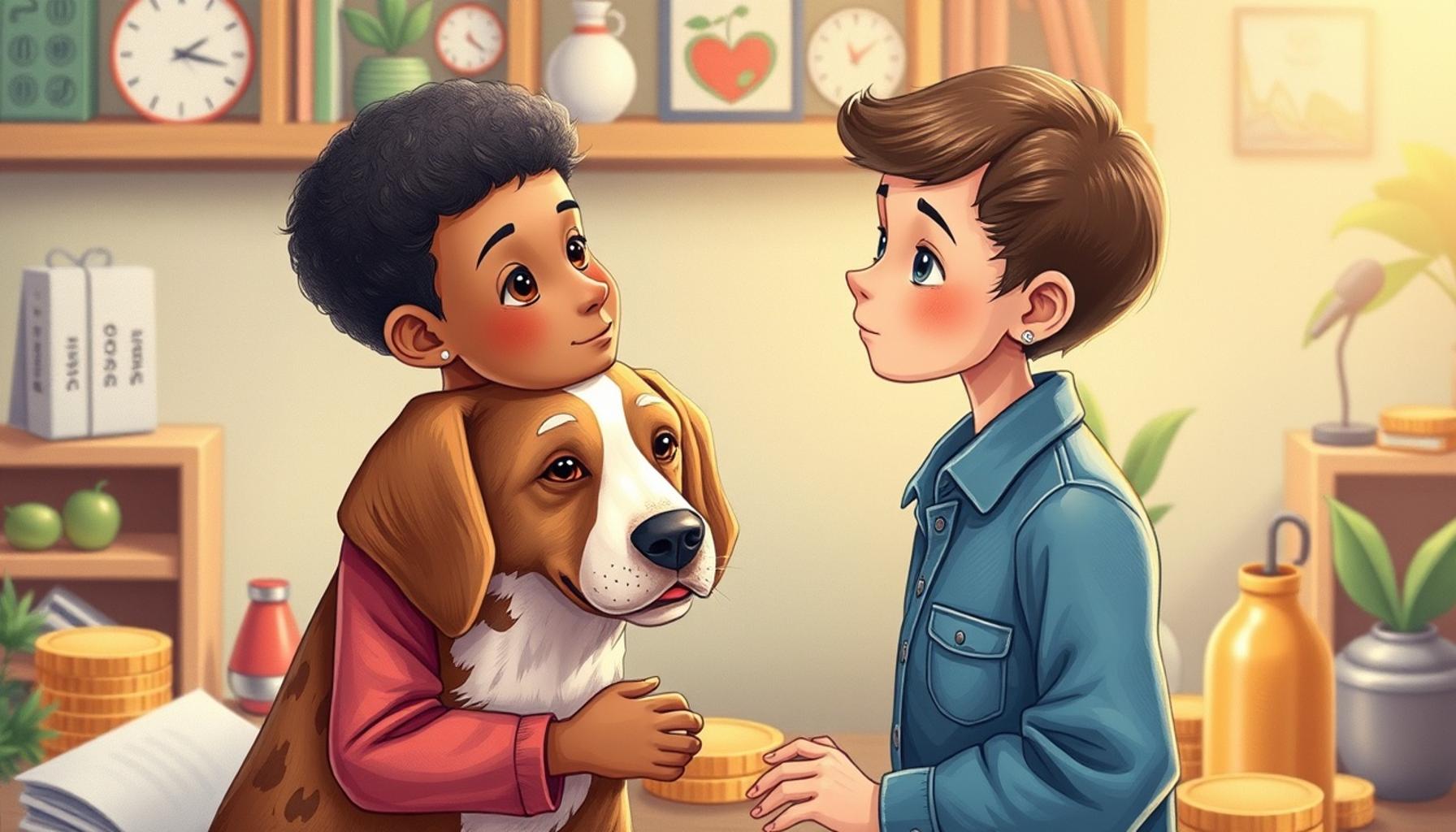
The Importance of Early Socialization for Puppies
The journey of a puppy begins long before they reach their new homes. During the crucial first weeks and months, their experiences significantly shape their behavior and personality. Early socialization emerges as a vital component in developing a well-adjusted adult dog. This early phase is foundational in forming a puppy’s responses to the world around them, particularly in their interactions with humans, other animals, and various environments.
Studies reveal that puppies exposed to diverse environments and social interactions tend to exhibit improved behavior. This highlights the necessity of structured interactions during their formative period, ideally between 3 weeks and 16 weeks of age. Early exposure can lead to a reduction in unwanted behaviors such as fear-based aggression and anxiety. Key aspects of early socialization include:
- Exposure to Various People: Introducing puppies to individuals of different ages, sexes, and ethnicities is paramount. For example, letting a puppy interact with children can help them learn to navigate energetic play, while elderly individuals can introduce a gentler type of interaction. This variety fosters adaptability, making your pet more well-rounded and comfortable in various social settings.
- Interaction with Other Animals: Regular playtime with dogs of different breeds and sizes helps puppies learn essential social cues. For instance, rough-and-tumble play with another puppy teaches them bite inhibition, while exposure to calm older dogs can demonstrate more relaxed behavior. Such interactions help reduce the likelihood of fear and aggression, which can escalate without proper exposure.
- Experience with Different Environments: Taking your puppy to parks, busy streets, and varied terrains provides valuable experiences. Walking on different surfaces—grass, gravel, or pavement—teaches them to navigate diverse environments confidently. Such outings not only build confidence but also familiarization with stimuli like loud sounds or bustling crowds, which can be overwhelming if approached without prior exposure.
Without proper socialization, puppies may develop behavioral problems such as anxiety, aggression, or phobias, which can have long-lasting implications. This reality underscores the importance of structured training and social encounters during their formative months. Pet owners should seize every opportunity to integrate their puppies into a range of experiences that enrich their understanding of the world.
As we delve deeper into the dynamics of early socialization, exploring effective strategies and expert recommendations can be particularly beneficial. For instance, puppy classes are excellent avenues for socialization, providing supervised playtime and training guidance. Engaging with professionals who specialize in positive reinforcement methods can also enhance your approach. Enhancing your understanding of this critical phase can ultimately lead to happier, healthier, and more sociable dogs, paving the way for stronger human-animal bonds.
The ripple effects of proper socialization extend beyond individual households. Well-adjusted dogs contribute to a more harmonious community, reducing the likelihood of aggressive incidents between pets and promoting safer interactions in public spaces. Thus, investing time in your puppy’s socialization is not just a personal benefit—it promotes a more responsible pet ownership culture.
Understanding the Mechanics of Socialization
At the core of the influence of early socialization on puppy behavior lies an intricate interplay of genetics and environment. During their early developmental stages, puppies are particularly malleable, absorbing information from their surroundings like sponges. This early period is critical, as it is when puppies begin to form their perception of the world and their ability to interact within it.
Puppies possess a natural curiosity, and pairing this trait with structured socialization experiences can create lasting behavioral benefits. Research suggests that puppies who undergo a comprehensive socialization process are less likely to develop behavioral issues later in life, particularly those tied to anxiety and aggression. A striking statistic indicates that more than 70% of behavioral problems in dogs stem from inadequate socialization, underscoring the importance of this early intervention.
The Developmental Window
The timeframe for effective socialization aligns closely with the critical developmental window, which spans from approximately 3 weeks to 16 weeks of age. It is during this crucial window that positive interactions can fortify a puppy’s capacity to adapt and thrive in a variety of situations. The goal is to create a plethora of experiences—each positively reinforcing the idea that the world is a safe and engaging place.
In practice, early socialization programs should encompass the following key elements:
- Varying Experiences: A successful socialization process should be rich in diversity. Experiencing various environments, such as bustling urban streets, quiet parks, and vibrant pet-friendly stores, helps puppies become resilient and adaptable. This exposure not only reduces anxiety but also cultivates confidence when facing new challenges.
- Positive Reinforcement: Using treats and praise to encourage positive interactions during socialization is essential. For instance, if a puppy encounters a new person or animal, rewarding calm behavior fosters a positive association that can enhance future interactions.
- Supervised Interactions: Engaging with puppies in controlled environments—such as puppy daycare or training classes—allows for safe socialization. Trainers can guide play and monitor body language to intervene if needed, teaching puppies appropriate social behavior in real-time.
It’s important to approach early socialization not as a one-time event but as an ongoing journey. Puppy owners must remain vigilant, continually presenting opportunities for their pets to solidify their social skills. The absence of these early positive experiences can lead to fears manifesting later in life, with consequences that ripple into their interactions with both humans and other animals.
As we explore further, understanding the consequences of inadequate socialization will shed light on why proactive engagement during early months is not just beneficial, but essential for a puppy’s overall development. In the following sections, practical steps for implementing a socialization plan will be discussed, offering valuable insights into fostering well-rounded, sociable dogs.
The Impact of Early Socialization on Behavioral Development
The early stage of a puppy’s life is crucial for their overall development and behavior. During this critical period, puppies are particularly receptive to their environments. Proper early socialization is instrumental in ensuring that puppies grow into well-adjusted adult dogs. Research shows that puppies exposed to various stimuli—such as different people, animals, and environments—during their first 12 to 16 weeks of life are less likely to develop behavioral issues in the future. Moreover, socialization helps to reduce fear and anxiety. Puppies that are socialized properly are less likely to exhibit signs of aggression, fearfulness, or anxiety towards novel experiences or interactions. This proactive approach lays a foundation for confident behavior in adult dogs. Additionally, early socialization fosters crucial skills such as bite inhibition and effective communication with both humans and other dogs. Adult dogs that lack these skills may struggle in social situations, exhibiting undesirable behaviors like excessive barking, biting, or avoidance. Understanding the intricacies of early socialization allows pet owners to take deliberate steps in training and exposing their puppies positively. This not only enhances the quality of life for the pet but also cultivates a harmonious relationship between the dog and its owner. If you’re intrigued by the deeper implications of early puppy socialization and its long-lasting effects, there is a wealth of information available for those eager to delve further into this essential aspect of canine behavior.
| Category 1 | Category 2 |
|---|---|
| Reduction of Behavioral Problems | Puppies that socialize early show fewer behavioral issues such as aggression or phobias. |
| Improved Adaptability | Well-socialized puppies adapt better to new situations, making them ultimately easier to train. |
This knowledge empowers owners to foster enriching environments for their puppies, ultimately leading to happier pets and more harmonious households. Engaging in discussions regarding puppy behavior and training methods can lead to insights that change the way we perceive pet ownership and responsibility.
The Consequences of Inadequate Socialization
While the benefits of early socialization in puppies are well-documented, the repercussions of inadequate socialization can be just as impactful, often leading to profound behavioral issues. Puppies that miss out on this formative experience may develop a host of problems that can persist throughout their lives. Understanding these potential consequences can motivate puppy owners to prioritize effective socialization.
Fear and Anxiety Issues
Puppies who are not properly socialized are at a heightened risk of developing fear-based behaviors. For example, if a puppy has limited exposure to children, bustling environments, or various noises, it may become fearful when encountering these stimuli. This fear can manifest in several ways, such as cowering, escaping, or even aggressive posturing, and can lead to distress for both the dog and its owner. A study from the American Veterinary Society of Animal Behavior points out that one in three dogs will experience anxiety, with many of these cases traceable to insufficient social experiences during puppyhood.
Aggressive Tendencies
Another significant behavior that can stem from inadequate socialization is aggression. Puppies that are not adequately exposed to other dogs or humans may develop a defensive posture when faced with new encounters. This defensive behavior often creates a cycle of fear and aggression, where the puppy perceives every new interaction as a potential threat. According to the Journal of Veterinary Behavior, aggression is notably one of the leading causes of relinquishment in dogs. This alarming trend highlights the crucial importance of early interventions.
Impact on Relationships
A puppy’s failure to socialize effectively can also strain the relationship between the dog and its owner. Owners may find themselves struggling to manage a dog that reacts poorly to others, leading to frustration and confusion. This disconnect can grow as the dog matures, with potential repercussions in the dog’s quality of life, including being excluded from family outings or public spaces. Reports show that over 60% of dogs with behavioral issues end up in shelters, where socialization deficiencies play a significant role in their surrender.
Long-Term Behavior Problems
In addition to immediate behavioral issues, the long-term effects of inadequate socialization can be severe. As these puppies grow into adulthood, their lack of social skills predisposes them to a range of challenging behaviors. The formation of phobias, compulsive behaviors, and even escape attempts become increasingly likely. Developing a well-rounded puppy requires commitment and an understanding that socialization is more than just a series of interactions; it is a foundation for emotional and mental well-being.
Moreover, the incidence of reactivity to perceived threats increases substantially in unsocialized dogs. This can lead to challenges not only within their daily environment but also in seemingly harmless situations, such as veterinary visits or interactions with friends. Owners may find themselves needing to seek professional help, which can be time-consuming and costly, not to mention emotionally taxing.
Recognizing the widespread implications of inadequate socialization can empower puppy owners to take proactive steps to ensure their pets receive the necessary exposure during their critical developmental window. With this understanding, we can shift our focus toward practical strategies that promote social engagement and ultimately foster well-adjusted, happy dogs.
Conclusion: The Critical Role of Early Socialization
In summary, the influence of early socialization on puppy behavior is undeniable, shaping not only the immediate temperament and responses of dogs but also their long-term well-being and adaptability. As outlined throughout this article, properly socialized puppies are more likely to thrive in a variety of circumstances, promoting positive interactions with humans and other animals alike. They also tend to exhibit lower levels of stress and anxiety, leading to a healthier, happier life.
Inadequate socialization, on the other hand, can yield a range of adverse outcomes, including fear-based behaviors, aggression, and strained relationships with their owners. The emotional toll and behavioral challenges associated with unsocialized dogs are often significant, leading to unfortunate cases of abandonment and surrender. Given that over 60% of dogs with behavioral issues end up in shelters, the implications of poor socialization extend beyond individual dogs to impact our communities, animal welfare organizations, and public safety.
Therefore, it is imperative that prospective puppy owners understand the transformative power of early socialization and take diligent steps to expose their pets to diverse environments, people, and experiences. Engaging in classes, playdates, and social outings can make all the difference. As you embark on the joyous journey of raising a puppy, remember that investing time and effort into their social development today will cultivate a well-adjusted companion for years to come. A well-socialized dog is not only a pleasure to own but is also a responsible member of society. For those seeking to delve deeper, resources on socialization techniques and behavioral training can provide invaluable guidance.

Beatriz
Beatriz Johnson is a seasoned pet care expert and writer with a passion for simplifying the complexities of pet ownership and animal well-being. With over a decade of experience in the field, she specializes in topics like pet nutrition, training techniques, and health care. Through her work on our website, Beatriz empowers pet owners to make informed decisions and provide the best possible care for their furry friends, ensuring happy and healthy lives for their beloved companions.