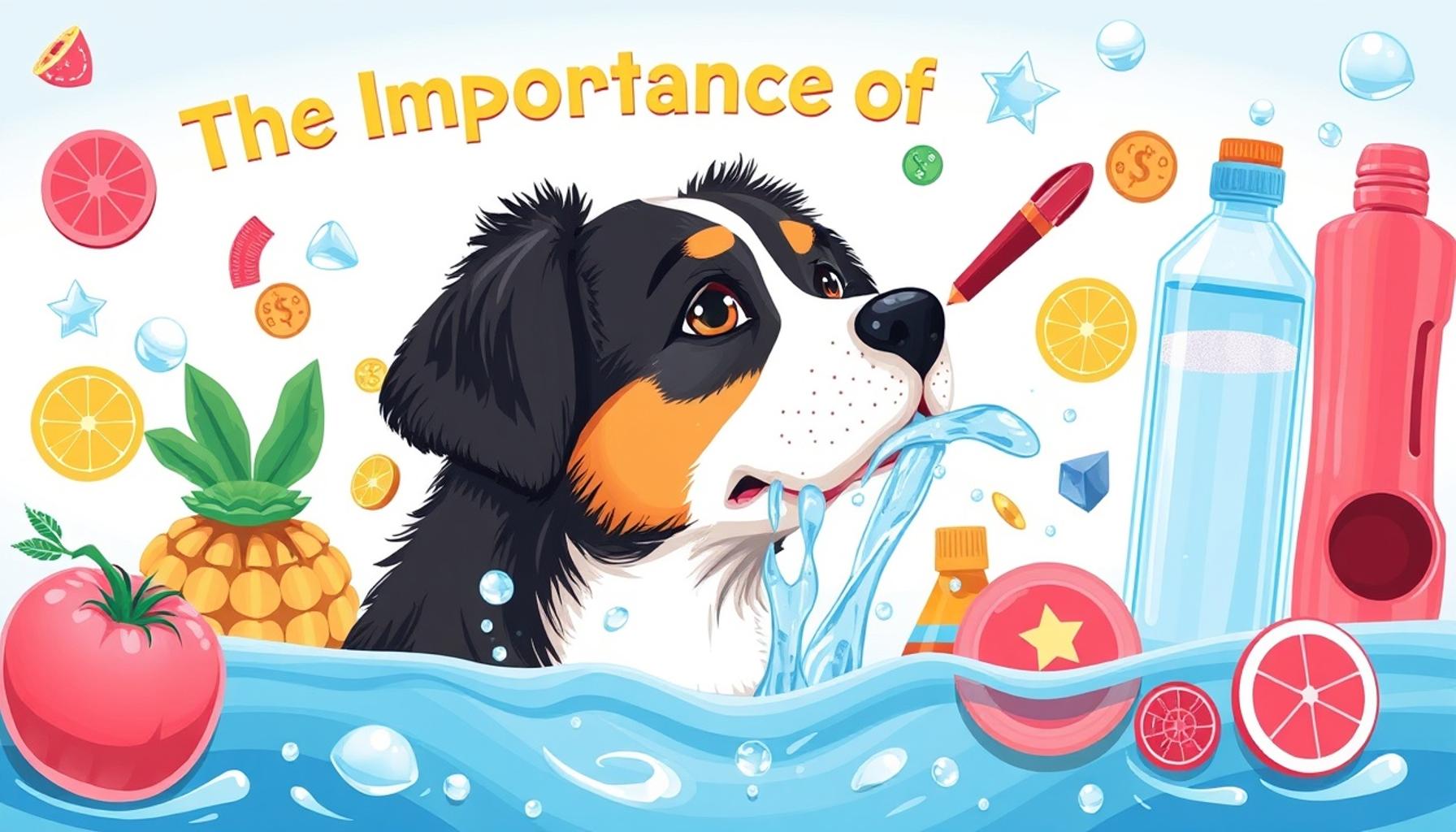
The Importance of Hydration: Tips for Keeping Your Pet Hydrated
Understanding Pet Hydration
Water is an essential element for all living beings, including our beloved pets. Just like humans, animals require adequate hydration to maintain their health and vitality. Yet, many pet owners often overlook the importance of keeping their furry friends properly hydrated.
Why Hydration Matters
Understanding why proper hydration is crucial can help pet owners care for their animals more effectively. Here are some vital reasons why hydration cannot be ignored:
- Maintains bodily functions: Water is integral to numerous bodily processes, including digestion and nutrient absorption. It aids in breaking down food to access nutrients and helps transport these nutrients throughout the body effectively. Moreover, it plays a pivotal role in regulating body temperature through processes like sweating and panting.
- Prevents illnesses: Dehydration can lead to serious health issues, including kidney problems and urinary infections, which can be particularly harmful to pets. For instance, dogs and cats that do not drink enough water may develop urinary crystals, leading to painful conditions like urinary blockages.
- Enhances energy levels: Pets that are well-hydrated tend to be more energetic and active, which deeply impacts their quality of life. A hydrated pet is more likely to engage in play, take walks, and enjoy personal interactions, all of which contribute to their overall happiness.
Recognizing Signs of Dehydration
It’s crucial for pet owners to recognize the signs of dehydration early to take action promptly. Common signs include:
- Dull gums and dry mouth can indicate a lack of hydration; healthy pets generally have moist, pink gums.
- Loss of skin elasticity is another telltale sign—if you gently pull the skin on your pet’s back and it doesn’t return promptly, this may indicate dehydration.
- Excessive panting or lethargy can signal that your pet is struggling; they may become less active and responsive, seeking cooler spots to rest.
During the sweltering summer months or periods of high activity, your pet’s need for water increases significantly. For example, a dog playing fetch at the park on a hot day may require double the usual amount of water. Ensuring your furry companion is adequately hydrated is not just beneficial—it’s essential for their health. In this article, we will delve into practical tips for keeping your pet hydrated and share insights on how to make water intake more appealing for them.
Moreover, you may consider introducing pet-friendly water fountains that encourage pets to drink more naturally. Observations indicate that pets are often more inclined to drink moving water, which mimics their instincts in the wild. By understanding these nuances of hydration, you can ensure that your pet leads a healthier and happier life.
Creative Ways to Encourage Hydration
Keeping your pet hydrated may not always be as straightforward as placing a bowl of water in their vicinity. To truly promote optimal hydration, it can be beneficial to employ various strategies that cater to your pet’s preferences and natural instincts. Here are some effective methods to encourage water intake:
- Flavored Water: Many pets are drawn to flavors, so consider adding a splash of low-sodium broth or a dash of flavored electrolyte solution approved for pets to their water. This little twist can make hydration more appealing and enticing.
- Fresh Water Daily: It’s crucial to ensure that your pet has access to fresh, clean water every day. Change the water at least once a day, more frequently if it becomes soiled. Pets can be picky about their water; they often prefer moisture that feels fresh, mimicking what they would find in nature.
- Supplementing with Wet Food: For pets who are particularly averse to drinking water, consider incorporating wet food into their diet. Wet food contains a significant amount of moisture, which naturally contributes to your pet’s daily water intake. This can be especially beneficial for cats, who often shy away from drinking water.
- Portable Water Bowls: When out on walks or during travel, don’t forget to bring a portable water bowl. This is vital during warmer months or after physical activity, ensuring your pet stays hydrated while on the go. There are many lightweight travel bowls available that are easy to pack.
- Interactive Water Fountains: As mentioned previously, pet water fountains are excellent at providing a continuous flow of fresh water. This can attract pets to drink more often, as animals in the wild instinctively prefer running water due to its freshness. Investing in a fountain may not only keep your pet hydrated but also entertain them as they interact with it.
Understanding your pet’s unique habits is essential to facilitating proper hydration. For instance, if your dog often drinks more after an active play session at the park, consider implementing a routine whereby they have designated water breaks. Additionally, regularly monitoring your pet’s water intake can help you tailor your approach based on their specific needs.
Factors Affecting Your Pet’s Hydration Needs
A variety of factors can affect how much water your pet needs, and being aware of these can help you keep them well-hydrated. Here are some key considerations:
- Size and Breed: Generally, larger pets will require more water than smaller ones. Breeds known for having higher energy levels may also need increased hydration to keep up with their activity.
- Weather Conditions: Hot and humid conditions demand greater water intake, similar to how humans often feel the need to drink more on a sweltering day. Always keep an eye on your pet during extended periods outdoors in the summer.
- Exercise Levels: More active pets, especially those that engage in vigorous play or exercise, will need more hydration. Keeping track of your pet’s activity can help you adjust their water intake appropriately.
By providing thoughtful hydration solutions and being mindful of factors that influence your pet’s water requirements, you can foster an environment that supports their health and happiness. In the next section, we will explore more actionable tips and solutions to guarantee that your pet receives the hydration they need to thrive.
| Hydration Method | Benefits |
|---|---|
| Fresh Water Supply | Essential for health, prevents dehydration, and promotes digestion. |
| Hydration Supplements | Enhance liquid intake with flavor, making it attractive for pets to drink. |
| Wet Food | Increases hydration through food, ensures proper nutrient absorption. |
| Frozen Treats | Fun and refreshing, provides hydration while keeping pets cool. |
Ensuring that your pets remain adequately hydrated is crucial. While a constant supply of fresh water is the most straightforward way to promote hydration, there are additional methods to consider that can make a significant impact. For instance, introducing hydration supplements not only enhances the appeal of water but also ensures that your pets find it irresistible. Moreover, wet food can play a vital role in increasing a pet’s fluid intake, contributing to their overall well-being. Each playful frozen treat can serve as both a source of hydration and a delightful reward, especially during hotter seasons. Remember, the key lies in making these options readily available and appealing to your furry companions. Understanding their hydration needs can help prevent health issues related to dehydration, making it essential for any pet owner to educate themselves on the best practices for maintaining their pet’s hydration.
Recognizing Signs of Dehydration
An essential component of ensuring your pet’s well-being is understanding the signs and symptoms of dehydration. Pets can suffer serious health complications when they don’t receive enough fluid intake, so being vigilant and observant is crucial. Here are some telltale signs that your pet may be dehydrated:
- Dry Gums and Tongue: One of the first indicators of dehydration is dryness in the mouth. If your pet’s gums appear sticky or dry, and their tongue feels rough instead of moist, it could indicate that they need more water.
- Decreased Skin Elasticity: A quick test to assess hydration involves gently pinching the skin between your pet’s shoulder blades or on their back. If the skin does not return to its original position quickly, it may be a sign of dehydration.
- Unusual Lethargy: If your pet seems more tired than usual or lacks energy during their typical activities, take note. Dehydration can cause a decrease in energy levels, prompting them to lounge around instead of play.
- Sunken Eyes: In more severe cases of dehydration, your pet’s eyes may appear sunken or dull. This is a sign that immediate medical attention could be necessary.
- Excessive Panting: If your dog is panting excessively, especially after minimal exertion, it could be a signal that they are overly dehydrated. Keeping a close eye on their breathing patterns can help you gauge their hydration status.
Being proactive about water intake can help prevent these signs from occurring. Regularly monitoring your pet’s behavior and physical condition can make all the difference in catching dehydration early.
Home Remedies and Commercial Solutions
Fortunately, there are several home remedies and commercially available solutions that can help increase your pet’s fluid intake. Here are some interesting options to consider:
- Ice Cubes as Treats: Freezing broths or pet-safe fruit juice into ice cubes can serve as tasty treats that your pet can enjoy while also hydrating. Just ensure that the ingredients used are suitable for your pet’s diet.
- Hydration-Supportive Supplements: A growing market for pet supplements includes hydration powders that you can add to their food or water. Many of these powders are designed specifically to restore electrolyte balance, especially in active pets or during hot weather.
- Water-Infused Snacks: Consider adding water-rich fruits or vegetables to your pet’s diet. For dogs, slices of watermelon, cucumber, or blueberries can be refreshing, while cats might enjoy small bits of cooked carrots or cantaloupe. These not only provide hydration but also help to maintain a balanced diet.
Beyond these options, some pet owners have found success in creating routines that encourage hydration. For instance, setting designated “water breaks” during playtime or walks can serve as positive reinforcement, making it a fun and integral part of the activity.
The quest for proper hydration is a key aspect of pet care that often goes unnoticed. By understanding the needs, recognizing symptoms, and implementing creative solutions, we can ensure our furry friends remain healthy and well-hydrated throughout their lives. This comprehensive approach not only enhances their overall health but also strengthens the bond between you and your beloved pet.
Conclusion
In conclusion, hydration is a fundamental aspect of pet care that often requires our attention and proactive measures. As we navigate through the myriad of responsibilities that pet ownership entails, ensuring that our furry companions receive adequate fluid intake is essential to maintaining their health and vitality. With the alarming potential risks associated with dehydration, such as organ dysfunction and lethargy, it becomes increasingly important to recognize the signs and establish effective strategies tailored to each pet’s needs.
From incorporating water-rich fruits into their meals to using innovative hydration-supportive supplements, pet owners have a wealth of options at their disposal. Simple adaptations like regular hydration breaks during exercise or offering enticing water-infused treats can transform hydration into an enjoyable routine. Moreover, as responsible pet parents, continual observation of our pets’ health and behaviors will ensure we remain attuned to any early signs of dehydration, allowing us to act swiftly and effectively.
Ultimately, prioritizing hydration is more than just a health measure; it’s an opportunity to deepen the connection between you and your pet. By actively engaging in their hydration—through fun activities or mindful monitoring—we not only support their physical well-being but also foster trust and affection. As you embark on this journey of keeping your pet well-hydrated, it is essential to consult with your veterinarian for tailored advice that best suits your pet’s unique circumstances. By doing so, you contribute to their longevity, happiness, and overall quality of life, paving the way for countless joyful moments together.

Beatriz
Beatriz Johnson is a seasoned pet care expert and writer with a passion for simplifying the complexities of pet ownership and animal well-being. With over a decade of experience in the field, she specializes in topics like pet nutrition, training techniques, and health care. Through her work on our website, Beatriz empowers pet owners to make informed decisions and provide the best possible care for their furry friends, ensuring happy and healthy lives for their beloved companions.