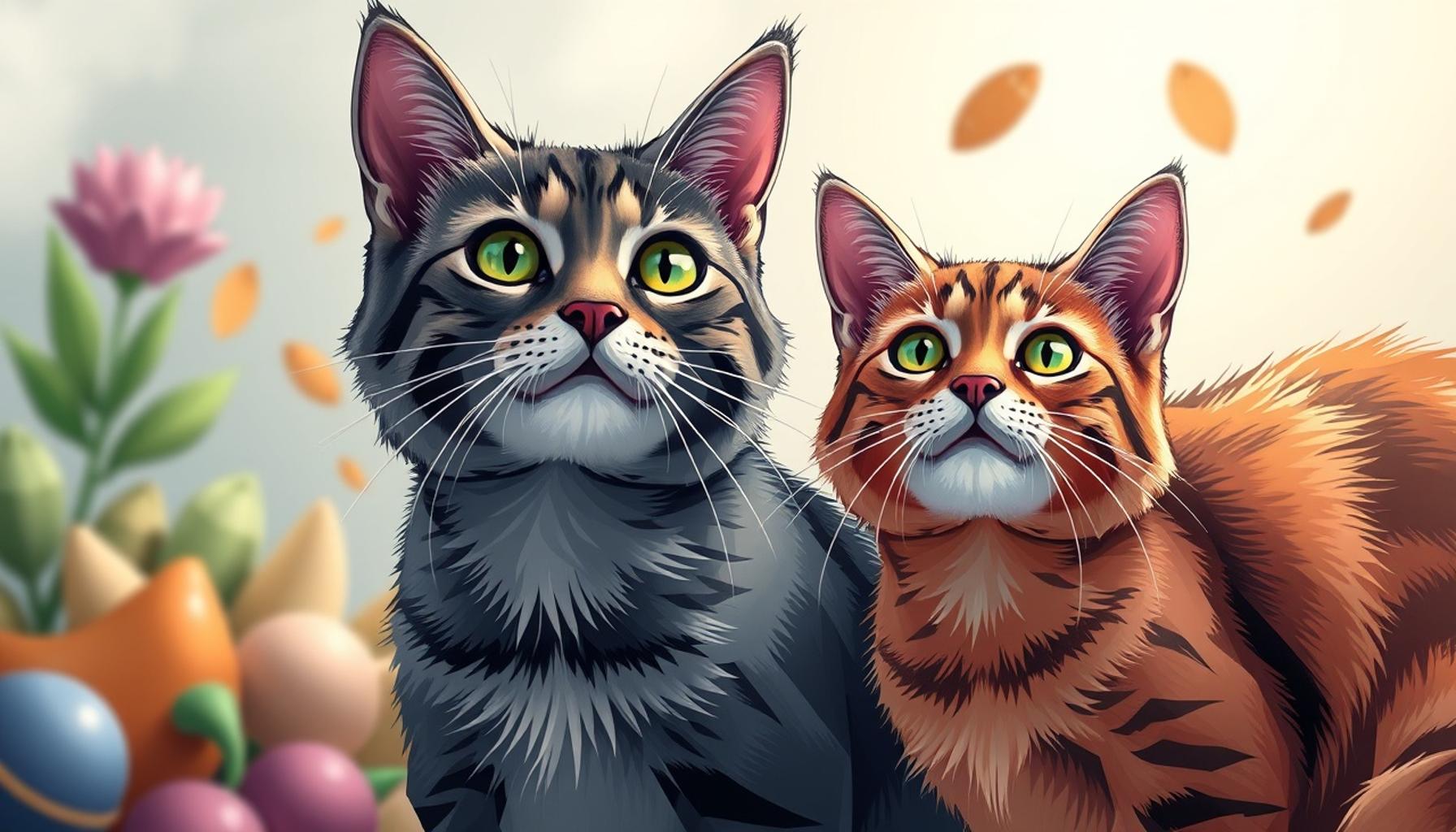
Social Interactions Between Different Pet Species: How Dogs and Cats Relate

Exploring the Intriguing Interactions Between Dogs and Cats
In the rich tapestry of pet companionship, the dynamic between dogs and cats stands out, revealing a blend of contrasting characteristics that can lead to both fascinating alliances and humorous challenges. Dogs are typically social creatures that thrive on connections, often exhibiting strong pack behaviors. Meanwhile, cats embody a more independent spirit, with instincts that nurture their solitary hunting prowess. Understanding these differences is essential for pet owners aiming to create a harmonious home.
Distinct Characteristics of Dogs and Cats
- Dogs: Known for their social and pack-oriented behaviors, dogs are inherently eager to please their human owners. Whether it’s through tail-wagging greetings or playful antics, dogs often communicate their emotions openly, seeking companionship and validation.
- Cats: With their independent nature, cats usually tend to be more territorial. They prefer to set the pace of interactions, often taking time to assess situations before engaging. Their solitary hunting habit often translates into playful behaviors that involve stalking and pouncing, which can sometimes be misunderstood when interacting with dogs.
Despite such evident differences, it’s not uncommon for dogs and cats to share the same household. This intriguing coexistence propels questions about their social interactions and how each adjusts to the other’s presence, highlighting not just their innate behaviors but also their capacity for adaptation.
Key Factors Influencing Their Relationship
- Age of introduction: The timing of when a dog or cat is introduced into the household can significantly influence their relationship. For example, introducing a kitten to a dog may foster a playful bond if done when both are young. Conversely, introducing an adult dog to a territorial cat might lead to tension and anxiety if not approached carefully.
- Temperament: Each animal’s unique personality plays a critical role in their compatibility. A laid-back dog might easily befriend a cautious cat, while an energetic puppy could overwhelm a skittish feline, causing stress for both pets.
- Environment: The living arrangements can either support or hinder the interactions between dogs and cats. Adequate space, safe areas for retreat, and ample resources, such as food bowls and litter boxes, can facilitate a more peaceful coexistence. For instance, providing vertical spaces for cats, like cat trees or shelves, can give them a sense of security away from an inquisitive dog.
Understanding the interactions between dogs and cats not only deepens our knowledge of animal behavior but also highlights the importance of fostering these relationships. Challenges may arise, but with the right approach, pet owners can cultivate an environment where both species thrive. This endeavor not only enhances the lives of the pets but also creates a joyful atmosphere for the entire household.
The Nature of Their Interactions
The interactions between dogs and cats can be a fascinating spectacle, showcasing both their conflicting instincts and potential for friendship. While it may seem that these two species are at odds due to their differing behavioral traits, many dogs and cats have found ways to coexist and even bond. Understanding the nature of these interactions provides insight into their social behaviors, and how owners can facilitate positive experiences between them.
One common behavioral pattern observed in dogs is their playfulness. Dogs have a natural inclination to engage in playful behaviors, which can sometimes overwhelm a more reserved cat. For instance, a dog might initiate play by bounding towards a cat with a wagging tail and play bows, seeing this as an invitation to engage. In contrast, a cat may interpret this as a threat, which could lead to defensive behaviors like hissing or swatting. Recognizing these communication cues is vital for pet owners, who must navigate these unique interactions carefully.
Cues and Communication Styles
- Barking vs. Meowing: Dogs tend to bark as a primary form of communication, signaling everything from excitement to alertness. Cats, on the other hand, primarily communicate through meows and body language. Pet owners should pay attention to the different sounds and actions of their pets, as a cat’s swish of the tail or a dog’s sudden stillness can both indicate their emotional states.
- Body Language: Understanding body language is essential in facilitating a peaceful coexistence. Dogs typically exhibit friendly postures, often with relaxed ears and wagging tails. In contrast, cats may display caution with arched backs and dilated pupils. Observing these signals allows pet owners to gauge the comfort level of both animals during interactions.
- Conflict Resolution: When tensions arise, it’s crucial for pet owners to step in and manage situations appropriately. Providing separate spaces and introducing training techniques like clicker training can help create a calm environment. This is especially important when pets misunderstand each other’s intentions during play.
If pet owners can learn to recognize the various social cues and communication styles of both dogs and cats, they can better facilitate interactions that are enriching for both. This understanding can lead to the development of routines that minimize stress and promote positive bonding experiences. This journey into the delicate balance of their relationship not only enriches the lives of the pets but can also result in a harmonious household where dogs and cats thrive together.
Social Interactions Between Different Pet Species: How Dogs and Cats Relate
The dynamic relationship between dogs and cats can often be misunderstood. While they are frequently portrayed as natural enemies, their interactions reveal a more nuanced reality. Understanding their social behaviors can provide valuable insights into how these two species communicate and coexist. For pet owners, fostering healthy interactions not only enriches the lives of their animals but can also create a more harmonious home environment.
Studies have shown that both species utilize various forms of bodily communication. Dogs, with their wagging tails and playful bows, express friendliness, while cats often use their purring and body language, such as tail positioning, to communicate their comfort levels. When introduced properly, dogs can be protective companions for cats, while cats can offer enigmas of curiosity and drama that keep dogs engaged.
| Category | Characteristics |
|---|---|
| Playful Interactions | Dogs often initiate play with their exuberance, while cats may respond with ambivalence. |
| Social Learning | Both species can learn social cues from each other, becoming more adaptable. |
Moreover, it’s fascinating to observe how both animals can develop a unique bond when they share a living space. Dogs may adopt protective roles toward their feline friends, while cats, in turn, can soothe anxious dogs with their relaxed demeanor. Understanding these social interactions can help pet owners create optimal environments for both species, enhancing their well-being and reinforcing positive relationships.
Incorporating intriguing games and activities tailored for both dogs and cats not only promotes physical health but also encourages mental stimulation. Examples include interactive toys that engage both pets simultaneously. By fostering positive interactions, pets learn to appreciate their differences and enjoy a harmonious coexistence.
Building Friendships: Tips for Fostering Positive Interactions
Encouraging a harmonious relationship between dogs and cats requires a strategic approach that respects their unique needs and behavioral traits. Pet owners play a crucial role in shaping these interactions to avoid conflicts and promote camaraderie. Here are several effective tips to enhance the chances of positive social experiences between different pet species.
Introductions Matter
The initial introduction between a dog and a cat is pivotal. Experts suggest using a gradual approach. Start by allowing pets to familiarize themselves with each other’s scents before they meet face-to-face. This can be done through exchanging bedding or using a cloth to rub each animal and then swapping it. Following this, keep initial meetings short and supervised, using leashes for dogs to prevent sudden lunges that may frighten the cat.
Creating Safe Spaces
Providing separate safe spaces for both animals is essential. Cats should have the option to retreat to elevated places where they feel secure from canine curiosity. Shelves, cat trees, or even light furniture can offer that necessary height. Dogs can benefit from a cozy crate or a space where they can relax without feeling threatened by a cat’s presence. Such provisions help foster a sense of security, allowing both pets to explore their surroundings at their own pace.
Encouraging Playful Interactions
Finding engaging activities that appeal to both species can bridge the gap between them. Interactive toys, such as laser pointers or feather wands, can serve as a common ground for a shared play experience. While dogs may chase the light, cats can engage in the hunt, and both can weave their way into each other’s play. It’s imperative, however, to supervise these interactions closely to ensure that play doesn’t escalate into aggressive or fearful behavior.
Training Techniques for Coexistence
Applying basic obedience training can significantly enhance the dynamic between a dog and a cat. Teaching the dog commands like “sit” and “stay” can help create a structured environment, allowing both pets to feel more at ease. Positive reinforcement for calm behavior, such as treats or praise, can instill a sense of discipline and respect that benefits both animals’ interactions. Moreover, introducing clicker training can also help both pets learn appropriate boundaries during playtime.
Monitoring Stress Levels
Being observant of stress signals is vital in fostering a tranquil home environment. Signs of discomfort in cats can include dilated pupils, rapid tail flicking, or retreating into darker corners. On the other hand, dogs may exhibit signs like whining, destructive behavior, or excessive barking. Recognizing and addressing these signals promptly allows owners to help mitigate stress, whether that means giving the cat a break from interaction or providing the dog with extra physical exercise to expend excess energy.
Through understanding the dynamics of these interactions and utilizing thoughtful techniques, pet owners can unlock the potential for dogs and cats to share not just a home, but also a blossoming friendship. It’s a rewarding journey that ultimately benefits the humans inhabiting this shared space, leading to a lively and joyful household where both species can flourish together.
Conclusion: The Possibility of Peaceful Coexistence
Understanding the intricacies of social interactions between different pet species—particularly dogs and cats—offers a fascinating glimpse into the dynamics of interspecies relationships. While these two beloved companions may have contrasting behaviors and instincts, their ability to coexist harmoniously is achievable with the right approach. Pet owners hold the key to fostering positive interactions by implementing gradual introductions, providing safe spaces, and encouraging collaborative play.
Additionally, understanding stress signals and employing effective training techniques can significantly improve the life quality of both pets. The journey toward establishing a peaceful relationship is not just about managing their differences but also about celebrating their unique traits. With patient guidance, dogs can learn to respect a cat’s boundaries, while cats can appreciate the playful spirit of their canine counterparts. Creating an environment that is conducive to interaction can lead to affectionate bonds that defy typical pet stereotypes.
As research continues to evolve on animal behavior and social structures, pet owners are encouraged to explore the wealth of resources available to them. Courses, books, and community discussions can deepen understanding—and perhaps unveil new methods for enriching the lives of their pets. Ultimately, the prospect of a united household filled with love, laughter, and diverse personalities is not only possible but profoundly rewarding. Thus, the path to happiness for pets and owners alike lies in embracing the enigma of their social interactions.

Beatriz
Beatriz Johnson is a seasoned pet care expert and writer with a passion for simplifying the complexities of pet ownership and animal well-being. With over a decade of experience in the field, she specializes in topics like pet nutrition, training techniques, and health care. Through her work on our website, Beatriz empowers pet owners to make informed decisions and provide the best possible care for their furry friends, ensuring happy and healthy lives for their beloved companions.