
Preventive Care: Vaccines and Regular Check-Ups for Pet Health
Understanding the Importance of Preventive Care
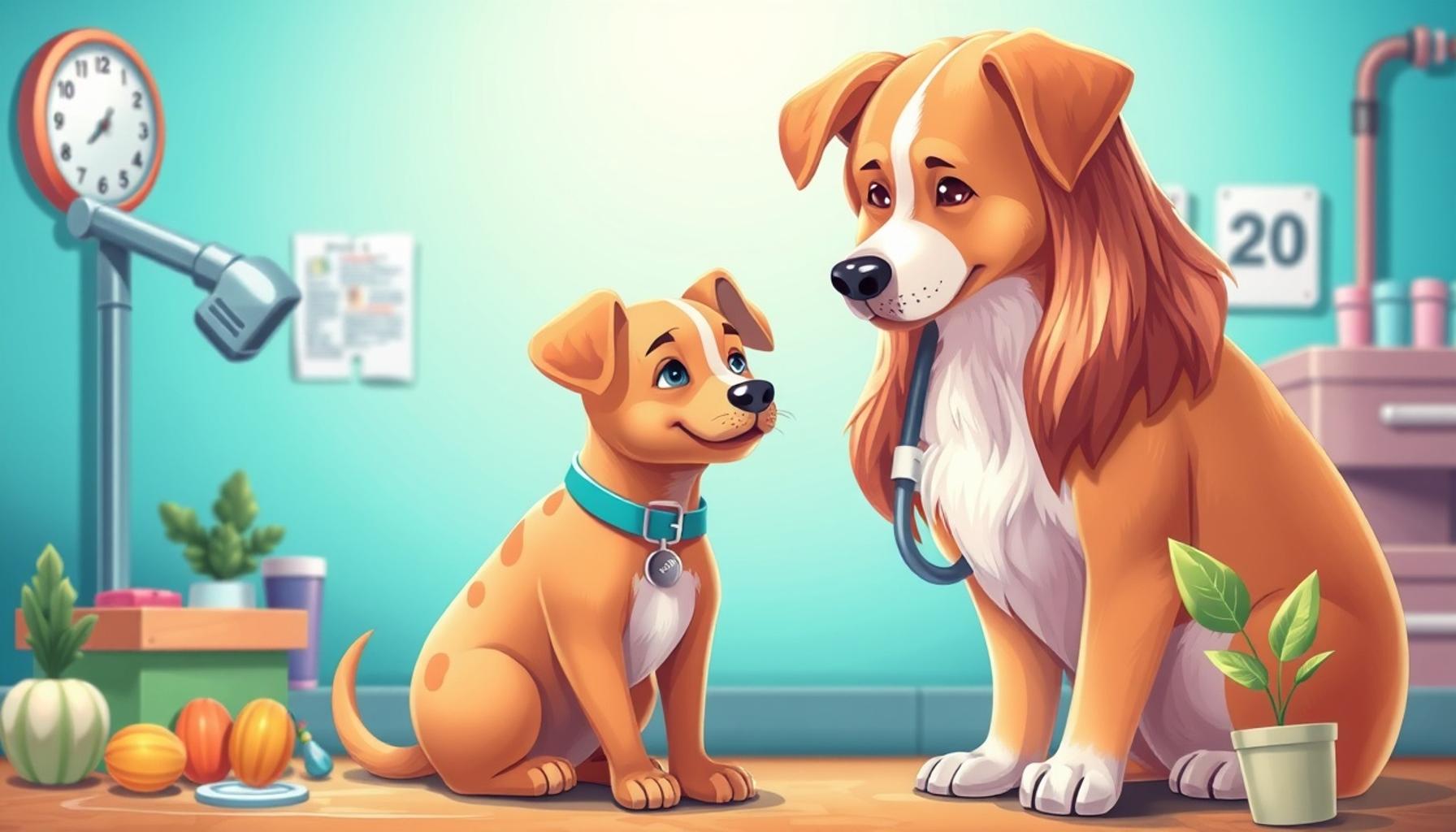
When it comes to nurturing our furry companions, preventive care plays a pivotal role in ensuring their health and longevity. Regular check-ups and proper vaccinations form the backbone of an effective healthcare regimen for pets, allowing them to lead happy and healthy lives. While many pet owners may consider these appointments to be just a routine errand, they are, in fact, critical to maintaining their pet’s well-being.
Why Preventive Care Matters
In the hustle and bustle of daily life, pet owners may often overlook routine care. However, incorporating preventive measures can yield significant benefits for both pets and their owners. For instance, annual wellness exams can identify health issues before they escalate into critical problems. Conditions such as diabetes, kidney disease, or dental issues often develop gradually, and early detection can facilitate timely intervention, leading to better outcomes.
In addition, providing essential vaccinations protects pets against serious diseases that can be detrimental to their health. Cats and dogs are susceptible to illnesses such as rabies, parvovirus, and upper respiratory infections, all of which can have severe consequences if left untreated. Vaccinations act as a safeguard, not only for the individual pet but also for the broader community, helping to curb the spread of infectious diseases.
Financially, preventive care translates to savings over the long term. By regularly scheduling check-ups and adhering to vaccination schedules, pet owners can significantly reduce long-term veterinary costs that stem from emergency treatments or advanced disease management. For example, treating a chronic condition like hip dysplasia can quickly lead to thousands in veterinary expenses—expenses that could potentially be offset by proactive preventive care.
Consider the following key vaccines recommended for dogs and cats in the United States:
- Rabies: This vaccine is mandatory in many states and protects against a fatal virus that can also affect humans.
- Distemper: Essential for dogs, this vaccine helps prevent a range of infectious diseases, many of which can be lethal if contracted.
- Feline Leukemia: Important for cats, this vaccine can prevent a highly contagious illness that severely affects the cat’s immune system.
Additionally, regular veterinary check-ups often encompass a variety of assessments beyond vaccinations. These visits typically include:
- Overall health assessments to monitor weight, heart rate, and organ function.
- Dental care advice and cleaning, which is crucial for preventing oral diseases that can lead to more serious health issues.
- Parasite prevention measures, helping protect against fleas, ticks, and worms that can cause discomfort and illness.
Ultimately, taking proactive steps toward your pet’s healthcare is a commitment to their happiness and well-being. By understanding the value of preventive care, pet owners can ensure that their furry friends lead fulfilling lives. Stay tuned as we delve deeper into the nuances of effective preventive care strategies, and discover how you can keep your beloved pet healthy for years to come.
The Benefits of Vaccination
Vaccination is one of the most crucial components of preventive care for pets, acting as a protective barrier against a myriad of potentially life-threatening diseases. By immunity-building, vaccines help to safeguard not only individual pets but also the community at large. Vaccination schedules vary between dogs and cats, as well as by age and existing health conditions, making it essential for pet owners to consult their veterinarians for tailored advice.
For dogs, core vaccinations typically include:
- Canine Parvovirus: This highly contagious virus causes severe gastrointestinal distress and can be fatal if not treated promptly.
- Canine Distemper: A viral infection that affects a dog’s respiratory, gastrointestinal, and nervous systems. It can lead to long-term neurological issues.
- Canine Hepatitis: This vaccine protects dogs from infectious canine hepatitis, caused by the adenovirus, which can result in severe liver disease.
- Bordetella: Often referred to as kennel cough, this vaccine is vital for dogs who frequent boarding facilities or dog parks.
For cats, essential vaccinations consist of:
- Feline Viral Rhinotracheitis: This vaccine combats a respiratory disease caused by herpesvirus, a leading cause of upper respiratory infections in cats.
- Feline Calicivirus: Another respiratory disease vaccine, it prevents infections that can lead to severe oral disease and respiratory complications.
- Feline Panleukopenia: This essential vaccine protects against a contagious disease characterized by severe gastrointestinal distress.
While the health benefits of vaccination are clear, the economic advantages should not be overlooked. Many pet owners may be hesitant about the initial costs related to vaccine administration, but consider this: a single visit to treat a preventable disease can easily amount to several hundred dollars or more. Regular vaccinations, in contrast, are often much more affordable and can lead to significant cost savings in the long run.
Regular Check-Ups: A Holistic Health Approach
Beyond vaccinations, regular check-ups are integral to maintaining pet health. These annual wellness exams allow veterinarians to conduct thorough assessments, making it possible to catch early signs of illness before they become serious issues. During these appointments, veterinarians will typically perform:
- Physical examinations to check for any abnormalities including lumps, skin lesions, or dental issues.
- Update on vaccinations, ensuring all immunizations are current and effective.
- Weight management assessments, which are essential for preventing obesity-related health problems.
Veterinarians also take the opportunity to educate pet owners on matters like nutrition, exercise, and behavioral health, reinforcing the idea that a proactive approach is crucial for a pet’s overall well-being. For pet owners, these visits can foster a deeper understanding of their pet’s specific needs, while enabling them to make informed decisions about healthcare.
Investing time for regular check-ups and ensuring vaccination schedules are met lay down the groundwork for a healthier future. In the following sections, we will analyze how specific preventive care strategies can be woven into the fabric of your pet’s everyday lifestyle, ensuring they live a long, fulfilling life.
| Preventive Care Benefits | Key Features |
|---|---|
| Early Detection of Health Issues | Regular check-ups enable veterinarians to detect potential health problems before they become serious. |
| Vaccinations Prevent Disease | Vaccines protect pets from common and serious diseases, enhancing their overall health and longevity. |
| Cost-Effective Health Management | Investing in preventive care can significantly reduce veterinary costs in the long run by avoiding expensive treatments for advanced illnesses. |
| Improved Quality of Life | Healthy pets are happier and more active, leading to a fulfilling life for both the pet and the owner. |
Preventive care is an essential aspect of pet ownership that directly correlates to their well-being. By prioritizing vaccines and regular check-ups, pet owners can ensure their furry companions lead long, healthy lives. In addition to protecting pets from preventable diseases, it also enables pet owners to manage health risks proactively. This approach fosters a trusting relationship with veterinarians, who become integral partners in the overall health journey of the pet. Furthermore, many veterinary clinics offer wellness plans that outline vaccinations and check-up schedules, making it easier for pet owners to stay on track. Investing time and resources in preventive care is not just about immediate protection; it is about securing a better quality of life for beloved pets. It empowers owners with knowledge and tools to make informed decisions about their pet’s health.
The Importance of Dental Care in Preventive Health
While vaccinations and regular check-ups form the backbone of preventive care, an often-overlooked aspect of pet health is dental care. Just like humans, pets require proper dental hygiene to prevent a host of health issues. Periodontal disease is among the most common conditions affecting dogs and cats, with studies showing that roughly 80% of dogs and 70% of cats by age three experience some form of dental disease.
Dental issues can lead to more than just bad breath; they can cause significant pain and systemic health problems. Bacteria from untreated dental disease can enter the bloodstream, potentially infecting vital organs such as the heart, liver, and kidneys. Therefore, routine dental cleanings, whether performed at home or by a veterinarian, are vital for ensuring your pet’s overall health.
During regular check-ups, veterinarians will typically perform dental assessments, checking for signs of tartar buildup, gum disease, and broken teeth. Pet owners should also engage in at-home dental care practices, such as:
- Brushing Teeth: While this can be challenging, specialized pet toothbrushes and toothpaste can make it easier and more effective.
- Dental Chews: Certain dog and cat treats are designed to reduce plaque and tartar buildup while satisfying your pet’s natural urge to chew.
- Regular Oral Assessments: Owners should regularly check their pet’s mouths for any abnormalities, including swelling or redness in the gums.
Behavioral and Environmental Health Factors
Preventive care extends beyond physical health; it also encompasses behavioral and environmental factors that impact a pet’s well-being. Mental stimulation and proper socialization are essential for pets, particularly dogs, as they can directly influence behavior and overall health. Lack of stimulation could lead to anxiety, depression, and even destructive behaviors.
Veterinary visits can serve as a perfect opportunity for owners to discuss behavioral concerns and receive guidance on mental enrichment. Activities such as obedience training, agility courses, and interactive toys can help keep pets mentally engaged. Moreover, providing proper socialization experiences, such as visits to dog parks or playdates with other animals, can enhance behavioral outcomes.
From an environmental perspective, pet owners need to ensure their living spaces are safe and accommodating. Regular inspections for potential hazards—like toxic plants, exposed electrical cords, or dangerous household chemicals—can significantly reduce the risk of accidents and injuries. Creating a pet-friendly home is crucial for their happiness and health.
Monitoring for Early Signs of Illness
One of the critical aspects of preventive care is early detection. Pet owners should be vigilant and aware of their pets’ behaviors and routines. Sudden changes can be indicators of underlying health issues that require veterinary attention. For instance, a sudden decrease in appetite, lethargy, or changes in bowel habits can signify illnesses ranging from simple digestive problems to severe conditions like diabetes or cancer.
In addition to routine vet visits and vaccinations, pet owners can use technology to monitor their pets’ health. Wearable devices are now available that track physical activity levels, heart rate, and even sleep patterns, allowing for a more comprehensive overview of a pet’s health. This data can be invaluable for veterinarians when determining any potential health concerns.
By taking an active role in their pet’s health through regular check-ups, vaccination adherence, dental care, environmental safety, and behavioral enrichment, owners create a robust framework for their pets to lead healthy, fulfilling lives.
Final Thoughts on Preventive Care for Pet Health
In conclusion, preventive care for our beloved pets is not merely a routine; it is a crucial investment in their long-term health and happiness. By prioritizing vaccinations and regular check-ups, pet owners can not only shield their pets from preventable diseases but also foster a proactive awareness of their overall well-being. As we have seen, maintaining proper dental care plays a significant role in a pet’s health, influencing not just oral hygiene, but systemic health as well.
Moreover, recognizing the importance of behavioral and environmental health factors enhances our understanding of what our pets need for fulfillment. Activities that stimulate the mind and ensure safe living spaces are integral components of a holistic approach to pet care. Paying close attention to early signs of illness allows for effective intervention, promoting quick recovery and minimizing suffering.
As technology advances, tools such as wearable health trackers offer pet owners valuable insights into their pet’s health metrics, turning preventive care into an interactive journey. Therefore, the responsibility lies with each pet owner to cultivate a supportive health framework, encouraging regular veterinary visits, adhering to vaccination schedules, engaging in dental maintenance, and providing enriching environments.
Ultimately, by embracing comprehensive preventive care, we empower our pets to enjoy healthier, happier, and longer lives. Take the first step today: schedule that check-up, adhere to vaccination schedules, and invest in your pet’s health. Their quality of life depends on it.

Beatriz
Beatriz Johnson is a seasoned pet care expert and writer with a passion for simplifying the complexities of pet ownership and animal well-being. With over a decade of experience in the field, she specializes in topics like pet nutrition, training techniques, and health care. Through her work on our website, Beatriz empowers pet owners to make informed decisions and provide the best possible care for their furry friends, ensuring happy and healthy lives for their beloved companions.