
Music as a Form of Narrative: Telling Stories Through Melodies and Lyrics

The Storytelling Essence of Music
Throughout history, music has served as a powerful storytelling medium, capable of evoking emotions and reflecting cultural narratives. From ancient oral traditions to modern streaming platforms, music has been a vessel for expressing human experience. The fusion of melodies and lyrics creates immersive experiences that resonate with listeners, making them feel deeply connected to the stories being told. Indeed, music does not merely entertain; it communicates messages that span a variety of personal, social, and political themes.
One of the most compelling aspects of music is its ability to convey personal narratives. Artists often draw from their own lives, infusing their songs with experiences that evoke empathy and connection. For instance, Taylor Swift’s discography artfully narrates her growth and relationships, capturing the essence of heartache and joy in relatable terms. Similarly, artists like Eminem share stories of struggle and resilience, resonating with many fans who have faced adversity. These personal elements provide listeners with a sense of understanding and companionship, often making them feel less alone in their own experiences.
Moreover, music serves as a powerful cultural reflection, offering insights into specific traditions, values, and historical events. For example, the traditional folk music of the American South, encapsulated in songs like “This Land is Your Land” by Woody Guthrie, reflects the spirit of the times during which they were created. This genre also carries tales of hardship, hope, and resilience, showcasing the rich history of American culture. Genres such as mariachi or bluegrass also celebrate diverse cultural traditions, giving voice to the stories of various communities.
Additionally, social messages are often powerfully delivered through music, provoking thought and inspiring change. For instance, “Fight the Power” by Public Enemy articulates the frustrations and struggles faced by marginalized communities, serving not only as a call to action but also as a historical document of the civil rights movement. Such songs often transcend their initial context, evolving into anthems that resonate with various struggles worldwide.
Genres like country, hip-hop, and rock have long been fertile ground for storytelling. Artists such as Bob Dylan and Johnny Cash are celebrated for their intricate narrative styles, spinning stories that vividly capture the human experience. Dylan’s “Tangled Up in Blue” is a masterclass in narrative pacing and character development, while Cash’s “A Boy Named Sue” humorously explores themes of identity and conflict.
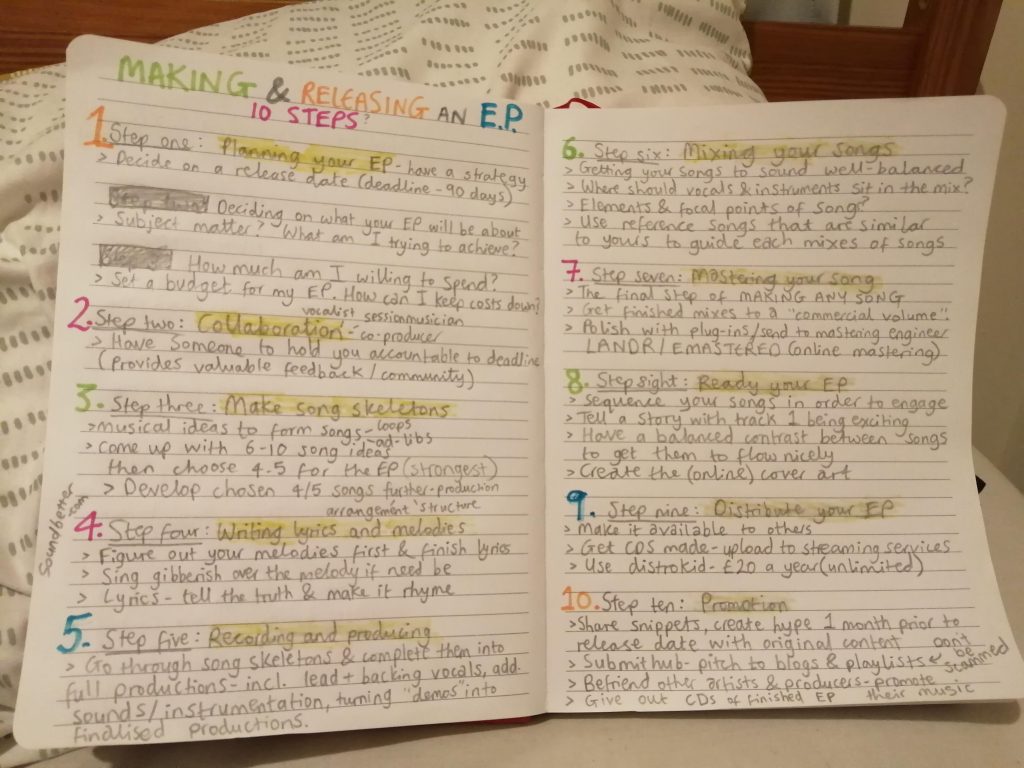
Today, emerging artists continue to reinterpret storytelling within music, pushing the boundaries of how tales can be shared through sound. Folk-rap fusion artists or pop musicians experimenting with theatrical musical elements illustrate the evolving landscape of musical storytelling. As we dive deeper into the world of musical narratives, we will uncover how artists utilize melodies and lyrics to craft compelling stories that transcend time and evoke universal feelings, inviting listeners to engage with them on a profound level.
DISCOVER MORE: Click here to dive into upcycling magic
Personal Stories and Cultural Reflection in Music
The capacity of music to weave intricate personal stories is one of its most alluring features. Artists frequently share their autobiographical experiences through their work, using melodies and lyrics to depict intimate emotions and universal themes. This personal storytelling creates a profound connection between the artist and the audience, as listeners find echoes of their own lives within the songs. For instance, consider how Bruce Springsteen’s anthems, like “Born to Run,” serve as an emblematic portrayal of individual aspiration, capturing the spirit of youth and the pursuit of dreams in America. Such songs often resonate deeply because they encapsulate the raw essence of human experience.
Another notable example can be seen in the work of Lorde, whose breakout hit “Royals” uniquely narrates her feelings of alienation from the glitzy lifestyle portrayed in mainstream media. This storytelling not only mirrors her personal journey but also reflects the broader societal critique of consumerism that many listeners find relatable. In this way, music becomes a reflective surface, allowing artists to articulate the intricacies of their lives while listeners can see their stories woven into the fabric of the lyrics.
In addition to individual narratives, music also functions as an important vessel for cultural reflection. Across different genres and eras, songs often capture the zeitgeist of a particular time or community. Traditional blues, for instance, emerged from the African American experience in the Deep South, speaking to themes of hardship and resilience, illustrating the struggles and triumphs woven into the nation’s history. Tracks like “The Thrill is Gone” by B.B. King not only express personal grief but also serve as a testimony of the collective experiences faced by many during that period.
There are several genres particularly known for their storytelling prowess, each with unique rhythms and tales that contribute to its cultural identity. Here are some notable examples:
- Folk Music: Rich with narratives about everyday life, love, and loss, folk music provides a historical lens into regional traditions and values.
- Rap and Hip-hop: Artists like Kendrick Lamar use their platforms to narrate stories about systemic injustice and personal struggles, challenging listeners to confront societal issues through their lyrics.
- Country Music: This genre is often synonymous with storytelling, with songs like “The House That Built Me” by Miranda Lambert encapsulating nostalgia and the essence of home.
The storytelling capacity of music extends beyond just the lyrics; it is enhanced by the melodies that accompany them. Musical composition plays a vital role in reinforcing the emotional depth of the narrative. A poignant ballad may use minor chords to convey sadness and longing, while an upbeat tempo can instill a sense of hope and joy. This intricate relationship between melodies and lyrics invites listeners to engage on multiple levels, provoking thought and stirring emotions.
As we delve deeper into the storytelling potential of music, we will continue to uncover how artists innovate and redefine narrative structures within their genres, allowing us to witness the ever-evolving nature of musical storytelling.
In exploring the theme of “Music as a Form of Narrative: Telling Stories Through Melodies and Lyrics,” it’s essential to delve into the multifaceted dimensions that melodies and lyrics bring to storytelling. Music, inherently emotive, has a unique ability to convey complex narratives that often transcend language barriers. One significant aspect of musical storytelling is the use of imagery within lyrics. Poetic phrasing can evoke vivid visualizations, allowing listeners to immerse themselves in the narrative being portrayed. Songs like “Bohemian Rhapsody” by Queen exemplify this, weaving storylines that provoke both contemplation and emotion. The blend of visual imagery with the melodic structure creates an engaging auditory experience.Moreover, the progression of melodies can serve as a powerful tool for emotional resonance. Composers manipulate tempo, key changes, and dynamics to reflect the emotional journey of the narrative. Consider the heavy use of minor keys in folk music to correlate with themes of heartache or loss. The contrast of soft versus loud passages can mirror the highs and lows of a story, captivating listeners and making the narrative more impactful.Another layer is the cultural significance embedded within music. Different musical forms, be it blues, folk, or hip-hop, tell stories that echo the experiences of specific communities. This cultural storytelling fosters a deeper understanding of diverse human experiences, allowing for connection and empathy among listeners.The interplay between lyrics and melodies can also lead to unforgettable hooks that linger in the listener’s mind, further embedding the story within their consciousness. Songs that incorporate a compelling chorus, such as “Hallelujah” by Leonard Cohen, invite listeners to engage repeatedly with the narrative, facilitating a personal interpretation each time.In sum, music serves as a multidimensional narrative canvas where melodies and lyrics intricately intertwine to tell profound stories. This capability not only entertains but also educates and enlightens, leaving an indelible mark on the listener’s psyche. By analyzing how music communicates narratives, we can appreciate its impact across cultures and generations, inviting us to explore further the stories hidden within our favorite tunes. Additionally, to summarize the advantages and benefits of integrating music and narrative effectively, the following table outlines key points clearly:
| Category 1 | Category 2 |
|---|---|
| Cultural Storytelling | Reflects community experiences and histories. |
| Emotional Connection | Melodies enhance storytelling through emotional engagement. |
This structured approach not only organizes key elements but also invites readers to appreciate the multifaceted narratives music creates.
DISCOVER MORE: Click here for inspiring DIY projects
Musical Genres: Diverse Narratives and Unique Expressions
Within the realm of music, each genre encapsulates distinct stories and cultural experiences, contributing to the rich tapestry of narrative expression. Each style, characterized by its own rhythm, instrumentation, and lyrical style, serves as a powerful vehicle for storytelling. The diversity in genres not only showcases varying narratives but also highlights how cultural influences shape musical expressions.
Consider the impact of R&B, which often revolves around themes of love, heartbreak, and resilience. Artists like Solange and John Legend have utilized their craft to articulate profound emotional narratives that resonate on personal and societal levels. For example, Solange’s album “A Seat at the Table” intertwines her narrative of racial identity and self-empowerment, inviting listeners to engage in a dialogue about contemporary sociopolitical issues. Through its rich melodic structures and poignant lyrics, the album becomes a narrative journey that reflects both personal and collective experiences.
Jazz, too, offers a unique storytelling opportunity akin to a musical conversation. Pioneers such as Miles Davis and Billie Holiday have transformed personal experiences, emotions, and societal commentaries into purely instrumental and vocal narratives. For instance, Holiday’s “Strange Fruit” does not merely recount a personal sorrow but confronts the haunting legacy of racism and injustice in America. The improvisational nature of jazz allows for continuous reinterpretation of these themes, making each performance a unique storytelling experience that evolves over time.
Another genre with profound narrative capabilities is indie rock. Artists like Sufjan Stevens often craft songs that merge personal anecdotes with broader societal themes, weaving intricate tales that captivate audiences. His song “Casimir Pulaski Day” recounts the story of love and loss through the lens of a tragic event, touching on themes of faith and grief that elevate the personal narrative to a universal one. This kind of storytelling not only touches the heart but also challenges listeners to reflect on their own stories and the world around them.
- Reggae: Rooted in social commentary, reggae artists like Bob Marley use their music to address issues such as poverty, injustice, and political strife, providing a narrative that speaks to the struggles faced by marginalized communities.
- Punk Rock: Known for its rebellious spirit, punk rock often conveys a raw narrative of disillusionment and resistance against societal norms. Bands like The Clash and Green Day have used their platforms to tell stories that challenge authority and advocate for change.
- Classical Music: While often associated with instrumental storytelling, composers such as Gustav Mahler and Leonard Bernstein have produced symphonic works that evoke narratives ranging from personal struggles to cultural identities, demonstrating that melody itself can convey profound stories.
The blending of melodies and lyrics is crucial in this narrative framework, enhancing the emotional resonance of the stories being told. For instance, the contrast of a major key in the melody with somber lyrics can create an intriguing duality, compelling listeners to engage with the deeper meanings behind the music. This duality not only enriches the listener’s experience but also encourages exploration of the many layers of narrative that music can offer.
As artists continue to innovate within their genres, they push the boundaries of storytelling through music, revealing new narratives that reflect both the individual and the collective. Through the expressive power of music, we not only witness tales unfold but also become part of an ongoing dialogue that transcends time and cultural divides.
DISCOVER MORE: Click here to dive deeper
Conclusion: The Enduring Power of Musical Narratives
In exploring the intricate relationship between music and storytelling, it becomes abundantly clear that music serves as a profound narrative form that transcends mere entertainment. Each note, rhythm, and lyric weaves together a tapestry of experiences, emotions, and cultural narratives that resonate deeply with listeners. Whether through the soulful melodies of R&B, the improvisational dialogue of jazz, or the raw energy of punk rock, artists harness the power of their respective genres to articulate not only personal experiences but also universal themes that challenge and inspire.
As we navigate the vast landscape of musical expression, it’s essential to appreciate how different styles encapsulate the shared human experience. Genres like reggae communicate social struggles, while indie rock invites introspection on love, loss, and faith, proving that music is not just a series of sounds but a rich dialogue that invites thoughtful engagement. The blending of melodies and lyrics creates layers of meaning, compelling us to listen closely and reflect on the stories unfolding within each composition.
As we move forward in an increasingly diverse and globalized musical landscape, the stories told through music will continue to evolve. Artists will undoubtedly push boundaries, unearthing new narratives that mirror the complexities of contemporary society. By embracing music as a vital form of narrative, we not only enrich our cultural understanding but also connect with one another on a profoundly human level. Therefore, as listeners, we have the opportunity to delve deeper, seeking out the narratives hidden in melodies and lyrics that speak not only to our hearts but also to our shared existence in a vibrant world.