Music and Therapy: Exploring Creative Expression Through Music
The Healing Power of Sound
Throughout history, music has been woven into the fabric of human culture, serving as a source of joy, celebration, reflection, and even healing. As medical and psychological communities increasingly embrace the therapeutic use of music, the benefits of this art form have become more apparent, revealing its profound ability to affect emotional well-being. With roots dating back to ancient civilizations, music therapy is evolving, becoming a beacon of hope for individuals seeking healing through creative outlets.
Benefits of Music Therapy
- Emotional Release: One of the most significant benefits of music therapy is its capacity to provide an emotional outlet. For many individuals, music serves as a language that transcends words, facilitating expression of feelings that are often difficult to articulate. For instance, a person grappling with grief may find solace in a heartfelt melody, allowing them to process their emotions in a safe environment.
- Cognitive Development: Engaging with music has been shown to enhance memory, cognitive skills, and even literacy. Children who participate in music therapy tend to exhibit improved language acquisition and attention spans. A 2016 study by the University of Southern California found that children exposed to music activities scored higher on tests measuring memory and cognitive functions, highlighting the impactful relationship between music and brain development.
- Social Connection: Music has a unique ability to bring people together, fostering a sense of community and shared experience. Group music activities, such as drumming circles or choir sessions, encourage cooperation and camaraderie amongst participants. These interactions can help alleviate feelings of isolation, particularly in populations such as seniors or individuals with disabilities.
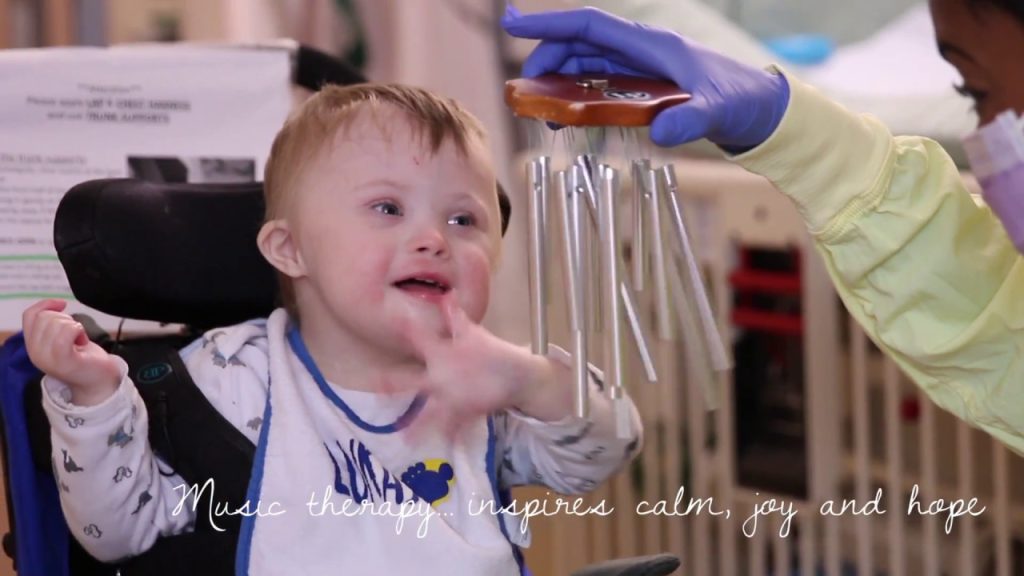
This innovative approach extends beyond those coping with mental health issues, offering substantial benefits to a diverse range of populations across the United States. For example, children with developmental disorders can find a voice in music therapy, enhancing their communication skills and social interactions. Similarly, elderly individuals suffering from dementia experience improved mood and cognitive function through familiar tunes from their past, stimulating memories that may otherwise be forgotten.
Moreover, patients undergoing physical rehabilitation often benefit from rhythm-based activities. Studies have shown that drumming can promote motor skills and coordination, making the recovery process more engaging and enjoyable. As we continue to explore the world of music therapy, it’s essential to understand the various methods and techniques employed by therapists, including guided imagery, songwriting, and improvisation. The success stories of those who have transformed their lives through music serve as a testimony to its intrinsic power as a catalyst for positive change.
Ultimately, the connection between rhythm and healing is not just an intriguing concept; it is a testament to the resilience of the human spirit and the endless possibilities that music offers. As research evolves and more stories unfold, the role of music in promoting health and well-being will undoubtedly continue to flourish.
DIVE DEEPER: Click here to uncover the process
Understanding Music Therapy Techniques
As individuals delve into the intricate world of music therapy, it is essential to recognize the diverse methods used by practitioners to promote healing and enhance emotional expression. Different techniques cater to the unique needs of individuals, ensuring that therapy is both personalized and effective. Understanding these techniques enables a deeper appreciation of how creative expression through music can facilitate healing.
Key Techniques in Music Therapy
- Guided Imagery and Music (GIM): This technique marries music with visualization, allowing clients to explore their emotions and memories in a safe setting. As clients listen to carefully selected pieces, a therapist guides them through imagery exercises that evoke deep emotional responses. This process often leads to breakthroughs, enabling individuals to confront and process complex feelings.
- Songwriting: Crafting lyrics and melodies can be a powerful form of self-expression. Through songwriting, individuals can articulate their thoughts, fears, and hopes, transforming personal experiences into tangible art. Therapists often encourage clients to create songs that resonate with their unique life stories, fostering a sense of accomplishment and clarity.
- Improvisation: This spontaneous form of creating music encourages open emotional expression without the constraints of structure or judgment. Clients are invited to play instruments, sing, or even vocalize their feelings, providing them with a platform for immediate emotional release. The improvisational nature of this technique cultivates freedom and creativity, allowing clients to access parts of themselves that may have been suppressed.
While these techniques vary, they all share a common goal: harnessing the power of music to facilitate emotional healing and personal growth. The flexibility of music therapy allows practitioners to address issues ranging from trauma and anxiety to depression and chronic pain, making it a valuable resource across various communities.
Consider, for example, the use of music therapy in schools where children facing difficulties in emotional expression can thrive. A study from the University of Kansas found that students participating in music therapy showed significant improvements in behavioral challenges and emotional regulation. Moreover, this therapeutic approach has proven beneficial in hospitals, where patients undergoing treatment for serious illnesses often use music to manage pain and anxiety, demonstrating how creative expression through music can be a powerful ally in the face of adversity.
As music therapy continues to evolve, the exploration of its applications unfolds, shedding light on the deep relationship between music and mental health. Each therapeutic interaction acts as a building block, allowing individuals to discover or rediscover their voices while forging connections with their innermost selves, ultimately enriching their lives.
| Category | Benefits |
|---|---|
| Emotional Healing | Music acts as a medium for individuals to express emotions, leading to catharsis and mental relief. |
| Enhanced Communication Skills | Engaging with music can improve verbal and non-verbal communication, especially in individuals with disabilities. |
The intersection of music and therapy sheds light on the profound ways creative expression through music can contribute to emotional and psychological well-being. Emotional healing is a primary benefit, where music serves not just as background noise but as a therapeutic tool driving deep emotional release. The mere act of songwriting, singing, or playing an instrument allows individuals to navigate complex feelings, often leading to breakthroughs that traditional therapy might struggle to achieve.Moreover, music enhances communication skills, particularly for those who may find it challenging to articulate their thoughts and feelings. By engaging with musical elements, people, especially those with special needs, learn to convey their emotions and thoughts in novel ways, fostering an inclusive environment that promotes understanding and connection. Various studies support the idea that musical interactions can significantly enhance interpersonal skills, giving rise to richer, more profound social interactions. Each note, rhythm, and verse has a story to tell, unraveling layers of human experience and offering a fresh lens on how we express ourselves. Exploring these elements of music therapy can lead to enlightening discoveries about the therapeutic potential embedded in creative expression.
DISCOVER: Click here to start your indoor herb garden journey
The Impact of Music Therapy on Mental Health
Music therapy has emerged as a significant avenue for addressing various mental health challenges, bringing forth a deeper understanding of its effects on emotional well-being. Numerous studies suggest that engaging with music not only facilitates expression but also offers measurable benefits for mental health. By enhancing an individual’s capacity to articulate their feelings, music therapy provides a unique pathway for healing, particularly for those grappling with anxiety and depression.
Effects on Anxiety and Depression
A systematic review published in the Journal of Affective Disorders highlights that music therapy can significantly reduce symptoms of anxiety and depression among participants. By providing a nonverbal outlet for emotions, music can help individuals navigate their feelings, whether through listening, creating, or performing. For instance, a detailed examination of programs in hospitals revealed that patients with anxiety reported a marked decrease in their symptoms after participating in music therapy sessions—all thanks to the soothing quality of music. This is further supported by anecdotal evidence from mental health professionals who recognize the transformative power of music in their practice.
Enhancing Social Connections
Another notable aspect of music therapy is its capability to forge connections among participants, fostering a sense of community and belonging. Group therapy sessions centered around music allow individuals to bond through shared experiences. For example, in group settings, participants often collaborate to create music or engage in rhythmic activities, which can diminish feelings of isolation. Studies have shown that these interactions not only improve mood but also enhance social skills, particularly among adolescents with social anxiety or behavioral challenges.
Long-term Benefits and Accessibility
Furthermore, the long-term benefits of music therapy are increasingly being recognized. A study from the American Music Therapy Association indicates that individuals who partake in ongoing music therapy show sustained improvements in emotional regulation and resilience over time. This highlights the importance of consistent engagement in therapy, where individuals gradually unlock more profound levels of self-awareness and healing.
Accessibility of music therapy continues to expand, especially in various healthcare settings across the United States. Many states have integrated music therapy into mental health programs, schools, and community centers, making it easier for individuals to access these crucial services. For instance, initiatives in cities like New York and Los Angeles have focused on integrating music therapy into support programs for underprivileged youth, showcasing how creativity can be a vital tool for change.
Real-Life Applications and Success Stories
Real-life success stories further illustrate the effectiveness of music therapy in various settings. A young woman with autism spectrum disorder participated in a specialized music therapy program that helped her develop communication skills over several months. By expressing herself through music, she not only learned to articulate her thoughts but also gained confidence in social interactions. Such stories serve as powerful testaments to the potential of creative expression through music in fostering personal growth and healing.
As the body of research supporting music therapy continues to grow, its potential in addressing mental health challenges solidifies. The synergy of music and therapeutic techniques opens up pathways for individuals to explore their emotions, confront their struggles, and experience healing in innovative and profound ways.
DIVE DEEPER: Click here to discover the magic of reimagined fairy tales
Conclusion: The Transformative Power of Music in Therapy
In conclusion, the exploration of music and therapy reveals a profound connection between creative expression and emotional well-being. As we have seen, music therapy offers a valuable tool for individuals facing a range of mental health challenges, from anxiety and depression to social isolation. The ability to articulate emotions through music empowers clients, providing them with a nonverbal outlet that fosters healing and personal growth.
Furthermore, the social dynamics created in group music therapy sessions foster a sense of community, enabling participants to forge connections that alleviate feelings of loneliness. These interactions not only improve mood but also help build vital social skills, particularly among youth navigating complex emotional landscapes. The long-term benefits of consistent engagement in music therapy should not be overlooked, as they lay a foundation for enhanced emotional regulation and resilience.
As accessibility to music therapy expands across the United States, the potential for transformative change becomes increasingly evident. From urban centers to rural communities, integrating music therapy into diverse settings, including schools and mental health programs, highlights the commitment to fostering emotional well-being through creative means.
With an ever-growing body of research supporting its efficacy, music therapy stands not only as a treatment option but as a dynamic method for individuals to explore their identity and resolve their struggles. As we continue to champion creative expression through music, we open doors to healing experiences that resonate deeply, ultimately enriching lives and communities. The possibilities are vast, beckoning us to delve further into the intersection of these two powerful realms.