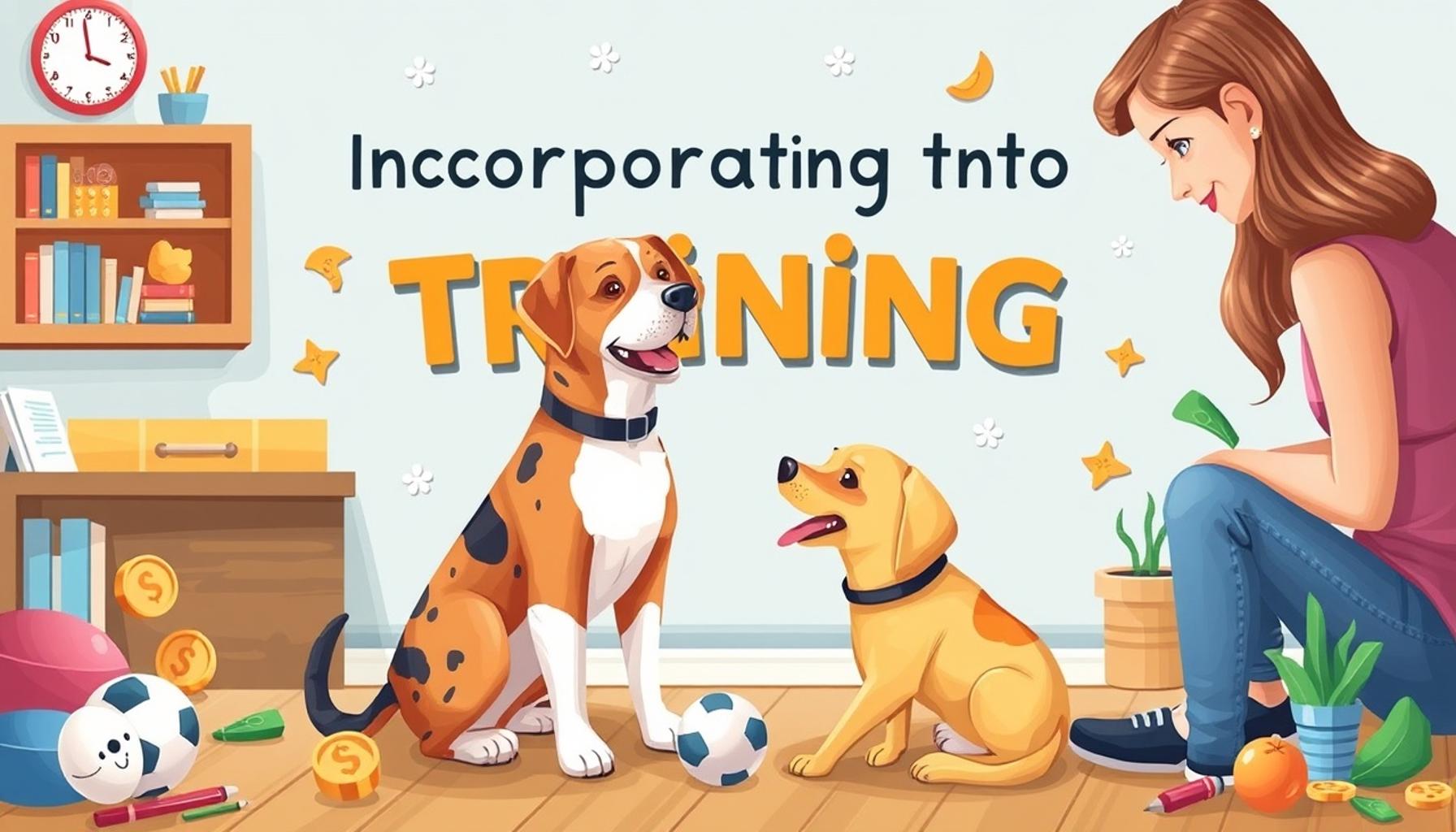
Incorporating Play into Pet Training Sessions
The Benefits of Playful Training Techniques
In the realm of pet ownership, a shift is occurring as more owners embrace the idea that traditional training can be enriched by the integration of play. This modern approach is not just a whimsical thought; it’s backed by observations and experiences of trainers and pet enthusiasts who have seen first-hand the transformative power of fun in the training process. By intertwining play and learning, the results can be profoundly beneficial, both in terms of the pet’s cognitive development and the owner-pet relationship.
One of the most compelling advantages of infusing play into training sessions is the increased motivation it offers pets. Animals, much like humans, thrive when they are engaged in enjoyable activities. When play is incorporated into training, pets are not merely performing tasks out of obligation—they are excited to participate. For instance, using games like hide and seek or treasure hunts to instill recall commands can turn a mundane training session into an exhilarating adventure. Dogs might find themselves dashing through the backyard in pursuit of a favorite toy or rushing to their owners, driven by the thrill of the game.
Another significant benefit is enhanced learning through play. Studies have shown that the brain retains information better when it’s linked with positive emotions and enjoyable experiences. For instance, when reinforcing a new trick, providing a treat after a successful attempt during a fun game can deepen the learning process. This form of positive reinforcement not only makes the trick memorable but also instills a sense of achievement in pets. Puzzle toys that reward a pet’s curiosity and problem-solving skills also enhance learning, making these toys valuable tools in any training regimen.
Furthermore, by transforming training into a playful activity, both pets and owners can experience a significant stress reduction. The atmosphere of play reduces the pressure often associated with conventional training methods, allowing for a more relaxed environment. This lays the groundwork for a healthier dynamic, where mistakes are met with laughter rather than frustration. Pet owners have reported that after incorporating playful training strategies, both they and their pets feel more confident and communicative during their time together.
Across the United States, this innovative training philosophy is taking hold, reshaping how people perceive pet training. Trainers are now employing creative play activities such as agility courses, fetch variations, and interactive toys that spark a pet’s interest while also teaching essential commands and behaviors. For example, utilizing agility equipment, like tunnels and jumps, not only challenges a dog’s physical skills but also reinforces their obedience training in a fun context.
Are you prepared to elevate your pet training sessions into thrilling escapades? Embracing the philosophy of learning through play can unlock new levels of joy and connection with your furry companion, making it a rewarding experience for both parties. Why not start experimenting with different games and playful strategies today? The journey to a more engaged and well-trained pet awaits!
Engaging Activities for Effective Training
With the proven advantages of playful training techniques, pet owners can now explore a variety of engaging activities designed to maximize learning while keeping their furry friends entertained. Incorporating play into pet training sessions requires creativity and a willingness to think outside the box. Here are some exciting methods to consider:
- Interactive Games: Board games with your pet might sound like a stretch, but there are many interactive puzzles available that challenge your pet’s intelligence while offering rewards. For instance, toys that dispense treats as pets learn to solve them can reinforce obedience commands in a fun way.
- Obstacle Courses: Setting up a mini obstacle course in your backyard or living room provides a perfect blend of exercise and training. This allows pets to navigate tunnels, jump over low barriers, and weave through cones while responding to commands. It not only keeps them engaged but also builds their confidence and agility.
- Fetch with a Twist: Although fetch is a classic game, adding variations like using different toys or implementing commands such as “stay” or “bring back” can make it more educational. Incorporating distance or changing locations can also enhance the excitement and dynamism of the game.
- Hide and Seek: A simple yet effective game for reinforcing recall commands. Engage your pet by hiding somewhere in the house and calling them. When they find you, celebrate with praise and a treat, reinforcing their learning through positive experiences.
Each of these activities not only promotes physical exercise but also allows for bonding experiences. Play sessions strengthen the relationship between pets and their owners by fostering trust and communication. When pets associate training with fun, they are more likely to be enthusiastic participants in the learning process, leading to quicker mastery of new behaviors and commands.
Additionally, pet owners have the opportunity to tailor these activities to suit their pets’ individual personalities. Some pets thrive with high-energy games, while others may prefer more cerebral tasks that stimulate their minds. Understanding the unique characteristics of your pet can make integrating play into training far more effective.
Furthermore, these playful interactions can promote a significant enhancement of social skills in pets, particularly in young dogs. Group training sessions that incorporate playful elements can help dogs learn how to interact with other animals and people, reducing the likelihood of behavioral issues that stem from fear or uncertainty.
In summary, introducing play into pet training sessions opens the door to a realm of fun, education, and camaraderie. It requires a blend of creativity and understanding of your pet’s needs, providing enriching experiences that can yield remarkable results. As you dive into the exciting world of playful training, you may discover that learning doesn’t just happen in structured settings but can transform through joyous interactions.
| Advantages | Description |
|---|---|
| Enhanced Engagement | Incorporating play increases pet engagement during training sessions, leading to improved attention and learning retention. |
| Strengthened Bond | Playing during training helps build a stronger bond between pet and owner, fostering trust and a positive relationship. |
| Stress Reduction | Playful training methods reduce stress for both the pet and the owner, creating a more enjoyable environment. |
| Improved Behavior | Fun training sessions often lead to better behavioral outcomes, as pets are more willing to learn when having fun. |
Incorporating play into pet training not only enhances the experience but also serves various psychological and behavioral aspects. A recent study highlighted that pets trained through playful interaction exhibited a significant improvement in obedience compared to traditional methods. Engaging in play stimulates a pet’s cognitive functions while allowing them to release energy in a constructive manner. Additionally, structured play can serve as a reward for desired behaviors, reinforcing the learning process. Owners can explore various games, such as fetch or hide-and-seek, which can also double as training sessions. Understanding that dogs and cats thrive on positive reinforcement and social interaction is key to successful training. As pet parents observe these transformations, they often find themselves more motivated to continue integrating play into training routines. This dynamic relationship between play and training is not merely an innovative technique; it symbolizes a holistic approach to pet development. Utilizing these methods could ultimately enhance the overall training process, leading to happier, healthier pets.
Maximizing Benefits Through Consistency and Variety
The effectiveness of incorporating play into pet training sessions hinges not only on the activities selected but also on the implementation of consistent and varied approaches. Consistency helps pets understand expectations and builds a routine, while variety keeps their interest piqued. This dual approach can accelerate learning and enhance retention of commands and behaviors.
Establishing a Routine plays a vital role in successful training sessions. Scheduling regular play-and-train times allows pets to anticipate learning moments. For example, setting aside 15-30 minutes each day for training interspersed with play can create a harmonious blend of structure and enjoyment. Syncing this with your pet’s most active time of day can lead to optimum engagement. Consistent timing and repeated techniques teach pets that play is a direct consequence of their efforts, solidifying positive associations between training and enjoyment.
Employing varied techniques is essential to keep training sessions fresh. Use a combination of physical games, brain puzzles, and obedience exercises to create a comprehensive learning environment. Pet owners might consider rotating activities weekly or introducing new games every few sessions. This approach not only combats boredom but also challenges pets’ cognitive abilities in new ways. For instance, mixing puzzle toys with agility training allows for physical and mental stimulation simultaneously.
Moreover, engaging in training through team-based activities can further enhance the bond between pet and owner. Activities like playing tug-of-war or participating in local dog sports events—like agility trials or flyball—allow training to take a communal form. This not only trains pets in skills and commands but also helps them learn to cooperate within a team, which can be invaluable in developing social skills and confidence.
The relationship between pet owners and their animals evolves with repeated playful interaction. Pets often mirror the enthusiasm and energy exhibited by their owners; therefore, displaying excitement during training can create a positive feedback loop. For example, if an owner celebrates small victories with exuberant praise or treats, it reinforces the desire for the pet to continue learning. Additionally, pets readily absorb emotional cues, meaning a relaxed and happy owner can cultivate a more at-ease and eager learner.
Advanced Training through Play is another aspect worth exploring. For those ready for a deeper dive into playful training, incorporating more complex commands into fun activities can yield impressive results. For instance, teaching commands like “find it” through scent games or engaging pets in hide-and-seek with toys can elevate training into a stimulating challenge. Such advanced techniques contribute not just to learning but also to fostering a strong sense of accomplishment in pets, which further motivates their eagerness for future training.
As pet owners delve into these varied methods, they may also find that utilizing technology can enhance their training sessions. Applications designed for pet training, which incorporate gaming aspects and progress tracking, can offer structured guidance alongside play. Some pet owners even use video tutorials to learn new games or techniques, offering a visually engaging way to strengthen the learning experience.
Understanding the balance between structured training and the freedom of play can ultimately cultivate a thriving environment for both pets and their owners. This journey of playful training can lead to well-rounded, socially adept, and happy pets ready to take on the world with their devoted companions by their side.
Conclusion: The Transformative Power of Play in Pet Training
Incorporating play into pet training sessions is not merely a creative approach; it’s a transformative strategy that can yield remarkable benefits for both pets and their owners. By blending structured training with fun, pet owners can foster an environment that encourages learning while deepening their emotional bond. This combination of consistency and variety not only solidifies essential behaviors but also keeps pets engaged and eager to learn.
As explored in this article, establishing a routine around play and training creates predictable yet exciting moments that pets look forward to. The introduction of varied activities can stimulate both physical and cognitive skills, ensuring that training sessions remain dynamic and enjoyable. Furthermore, engaging in team-based activities builds cooperation and enhances socialization, leading to well-adjusted pets who thrive in diverse environments.
It’s important to remember that the positive energy of owners plays a crucial role in this interactive experience. By embodying enthusiasm and creativity, owners can cultivate a responsive learning atmosphere. As pet owners embark on this playful journey, utilizing technology can also offer structured support, making training more accessible and enjoyable.
Ultimately, understanding that training can be a fun and rewarding adventure is essential for nurturing a lifelong partnership with pets. Research continues to evolve in the fields of animal behavior and learning, revealing that play is a vital component in creating intelligent, adaptable, and happy companions. So, as you embark on your next training session, consider how integrating more play could not only enhance the learning experience but also enrich the bond you share with your beloved pet.

Beatriz
Beatriz Johnson is a seasoned pet care expert and writer with a passion for simplifying the complexities of pet ownership and animal well-being. With over a decade of experience in the field, she specializes in topics like pet nutrition, training techniques, and health care. Through her work on our website, Beatriz empowers pet owners to make informed decisions and provide the best possible care for their furry friends, ensuring happy and healthy lives for their beloved companions.