How Puzzles Can Help Prevent Cognitive Decline in Old Age
Understanding the Impact of Puzzles on Aging Minds
As the population ages, addressing cognitive decline has become an urgent focus for researchers, families, and communities alike. The quest for effective strategies to maintain mental agility involves a surprising yet effective tool: puzzles. Engaging with puzzles can invigorate the mind and play a vital role in cognitive health, especially for older adults striving to preserve their mental faculties.
Puzzles offer numerous cognitive benefits:
- Enhance problem-solving skills: Tackling intricate challenges such as logic puzzles or brain teasers stimulates brain activity by encouraging creative thinking and enhancing analytical skills. This cognitive exercise helps seniors adapt to new situations and develop greater resilience against the challenges of aging.
- Boost memory: Regular engagement with puzzles has been shown to improve both short- and long-term memory function. Activities like crossword puzzles require users to recall vocabulary and facts, thereby strengthening neural connections linked to memory.
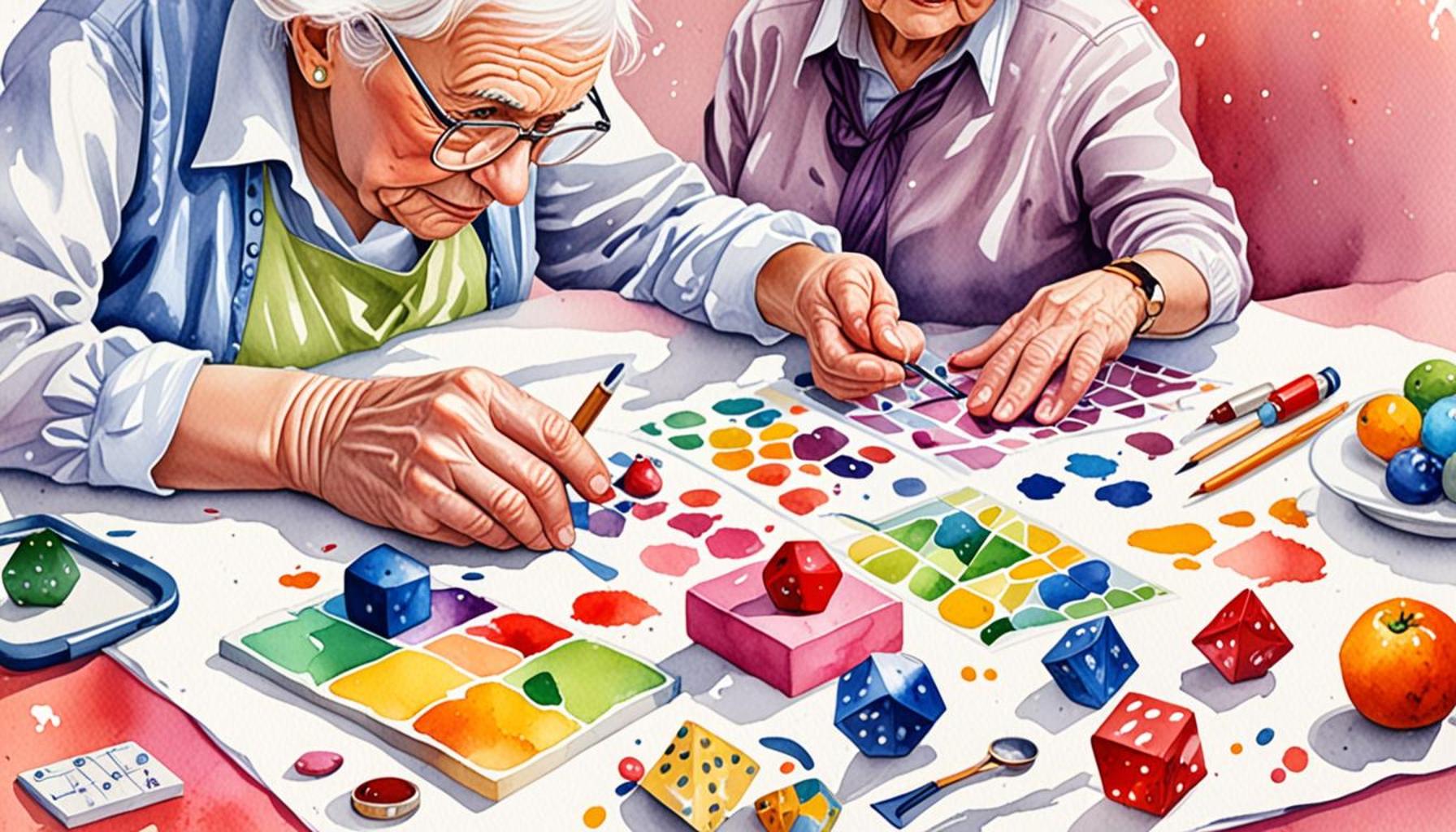
- Encourage social interaction: Collaborating on puzzles with friends or family members fosters communication and connection. Socialization is critical for emotional well-being, and group puzzle-solving can transform a solitary activity into an opportunity for bonding.
Previous studies indicate that activities stimulating the brain can potentially delay the onset of debilitating conditions like Alzheimer’s disease and other types of dementia. Much like any other organ, the brain requires regular exercise to remain robust. By incorporating puzzles into daily routines, older adults can effectively challenge their cognitive functions and enhance their overall mental agility.
Moreover, puzzles come in diverse forms to cater to varying interests and skill levels:
- Crossword puzzles: These puzzles not only enhance vocabulary and recall but also introduce players to new words and concepts, serving as both a mental workout and an enjoyable pastime.
- Sudoku: This popular number-placement puzzle aids in developing logical thinking skills, as it requires players to utilize critical reasoning to fill in the grid without repeating numbers in rows and columns.
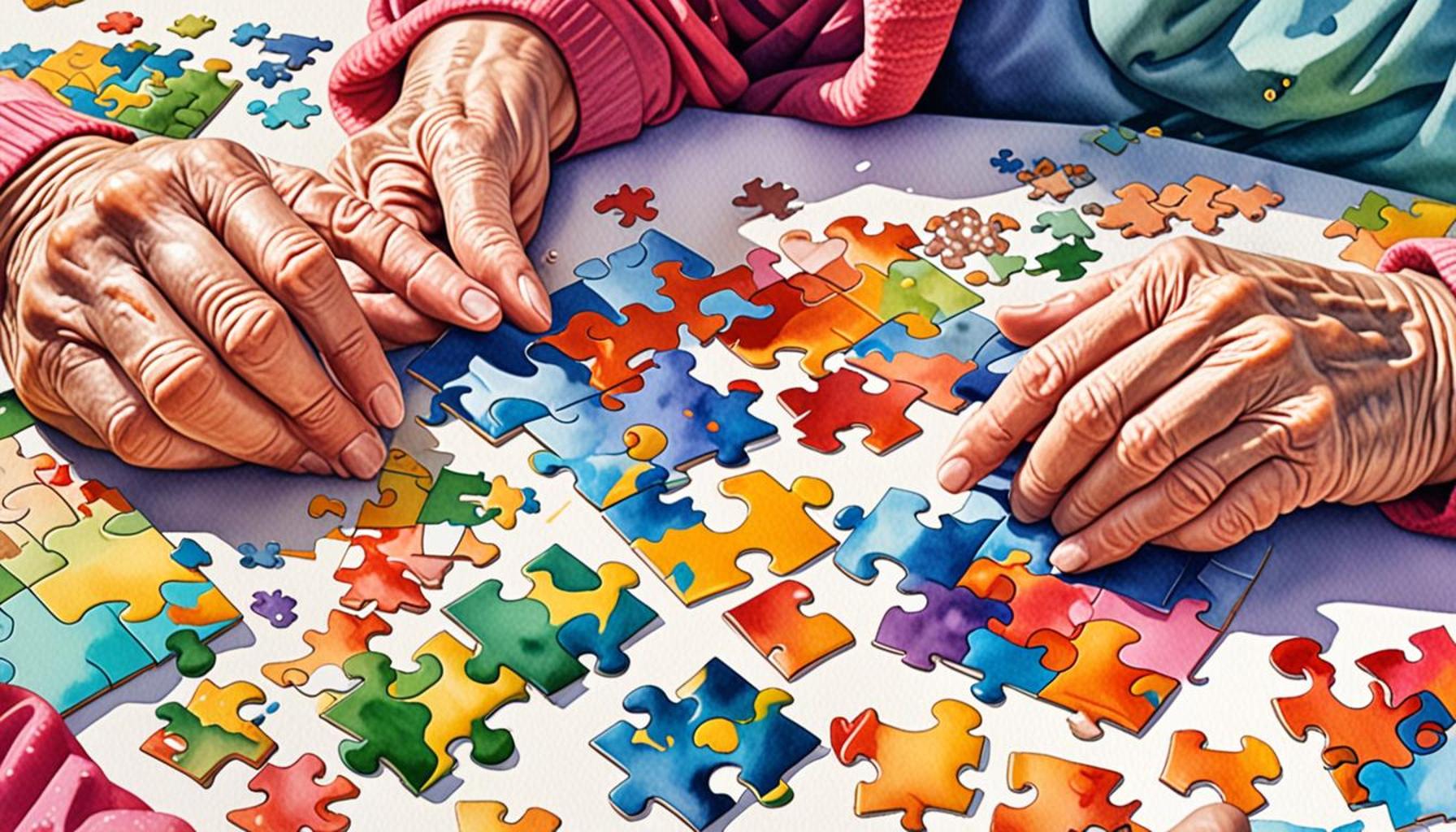
- Jigsaw puzzles: Engaging in jigsaw puzzles strengthens spatial reasoning and visual perception. The process of sorting pieces and finding where they fit enhances pattern recognition, a skill that is beneficial in many life aspects.
The rising popularity of puzzle apps, such as Lumosity or Peak, also reflects the growing interest in cognitive training methods. These apps often include a variety of puzzles and games devised to stimulate the brain and track performance over time, providing users with concrete feedback on their cognitive growth. Furthermore, many community centers and libraries across the United States are now incorporating puzzle clubs and challenges to promote mental fitness among seniors.
In this article, we will explore the science behind these claims, delve into testimonials from individuals who have embraced puzzles as a regular pastime, and provide insights on how to integrate puzzles into everyday life for a sharper mind in old age. Join us on this intriguing journey into the world of cognitive wellness and discover how simple activities can lead to significant improvements in mental health and quality of life.
DISCOVER MORE: Click here to enhance your memory and focus
The Science Behind Puzzles and Cognitive Health
Research has increasingly pointed toward the positive impacts of engaging the brain through various activities, with puzzles standing out as an excellent choice for promoting cognitive vitality in senior citizens. The concept of using puzzles as a form of mental exercise finds its roots in cognitive psychology and neuroscience, where studies reveal that the brain can form new connections and strengthen existing ones through regular mental challenges. This phenomenon, known as neuroplasticity, is crucial for maintaining cognitive functions as we age.
One noteworthy study published in the journal Alzheimer’s & Dementia indicated that individuals who regularly engage in intellectually stimulating activities, including puzzles, demonstrated a slower cognitive decline than those who did not participate in any mental exercises. This suggests that mental stimulation can build a cognitive reserve, bolstering the brain’s ability to compensate for age-related changes and potential damage caused by diseases like Alzheimer’s.
Puzzles as a Form of Cognitive Exercise
Puzzles challenge the brain in multiple ways. Not only do they require mental effort, but they also encourage various types of thinking, fostering creativity and logical reasoning in older adults. The process of solving puzzles activates different areas of the brain, enhancing overall brain function. Here are key benefits that puzzles offer to aging minds:
- Improved Critical Thinking: Puzzles demand critical thinking and strategy formulation, particularly in logic and word puzzles, which require players to devise a plan of attack to reach a solution. This can sharpen decision-making skills in various everyday situations.
- Enhanced Focus and Concentration: Engaging with puzzles requires sustained attention, helping individuals improve their focus over time. This improved concentration can translate to better performance in other tasks, from reading to engaging in conversations.
- Stress Reduction: Puzzles offer a distraction from daily stresses and can serve as a relaxing pastime. Engaging in enjoyable puzzles can boost mood and contribute to emotional well-being, which is essential for cognitive health.
Moreover, puzzles can provide a sense of accomplishment. For older adults, completing a challenging puzzle can lead to feelings of satisfaction and boost self-esteem, reinforcing positive cognitive habits. The resulting confidence can inspire individuals to take on new challenges, further enhancing their cognitive health.
As communities increasingly recognize the potential of puzzles as cognitive training tools, the development of accessible resources for seniors has surged. Mobile applications and online platforms offer a range of puzzles tailored specifically for older adults, ensuring that the benefits of mental stimulation are easily attainable. In addition, physical puzzle clubs have begun to pop up in community centers, creating a social hub for people to come together, work collaboratively on puzzles, and engage in stimulating conversations.
As we explore further, it becomes apparent that incorporating puzzles into the daily lives of older adults is not merely a pastime—it is an investment in their cognitive health. This article will detail practical ways to integrate puzzles into everyday routines, along with inspiring stories of individuals whose lives have been transformed by the simplicity of piecing together a puzzle.
| Benefits of Puzzles | Cognitive Features |
|---|---|
| Enhances Problem-Solving Skills | Puzzles engage the brain in a way that sharpens decision-making and strategy formulation. |
| Boosts Memory | Working on puzzles typically requires recalling patterns and pieces, helping to strengthen memory pathways. |
| Reduces Stress | Engaging in puzzles can be a form of meditation, providing relaxation that counteracts cognitive decline. |
| Improves Focus | Concentration on puzzles trains the brain to maintain attention for longer periods, enhancing overall cognitive function. |
Puzzles, whether they are jigsaw puzzles, crosswords, or Sudoku, serve not just as a fun pastime, but also play a crucial role in mitigating the effects of cognitive decline associated with aging. The intricate nature of puzzles challenges various aspects of cognition, making them a productive tool for mental exercise. Engaging with this type of cognitive activity promotes neural connections that may be vulnerable to deterioration as we age. By incorporating puzzles into daily routines, older adults can experience not only improved memory but also significant boosts in overall brain health. Furthermore, socializing while solving puzzles can enhance interpersonal skills, creating a dual benefit for mental and emotional well-being.
DISCOVER MORE: Click here to learn about the benefits of logic games
Unlocking the Social Benefits of Puzzles
While the individual cognitive benefits of puzzles are evident, it is essential not to overlook the social advantages they provide, particularly for the elderly. As individuals age, social interaction can sometimes decline due to various factors such as retirement, loss of loved ones, or mobility issues. Engaging with puzzles, whether in group settings or through competitive formats, can offer invaluable opportunities for interaction and community bonding, fostering mental resilience alongside cognitive fitness.
Participating in puzzle-related activities, such as puzzle clubs or community events, can significantly enhance social engagement. Many seniors find joy in collaborating with peers to tackle complex crossword puzzles or jigsaw challenges. Such joint endeavors not only make the task more enjoyable but also build camaraderie among participants. A study published in the journal The Gerontologist found that social interaction is a key component in reducing the risk of cognitive decline, as meaningful relationships and friendships have a profound impact on mental health.
Combining Physical Activities with Puzzles
Moreover, introducing puzzles into physical activity routines can create a holistic approach to cognitive health. For instance, outdoor puzzle scavenger hunts can stimulate both the mind and body. Activities like these encourage seniors to explore their surroundings while providing a mental challenge. By integrating physical movement with puzzle-solving, participants not only engage their cognitive faculties but also promote cardiovascular health, which is crucial for overall brain function.
Another innovative trend is the rise of interactive puzzle games that combine technology with traditional puzzle-solving, offering seniors a new avenue for engaging their minds. With the popularity of mobile apps and virtual reality experiences, older adults can solve puzzles while simultaneously connecting with friends or family members from afar. This bridging of technology and social interaction can help combat feelings of isolation, further reinforcing the protective effects against cognitive decline.
The Role of Education in Puzzle Engagement
Education plays a pivotal role in enhancing the benefits of puzzle-solving. Seniors who participate in educational programs that incorporate puzzles as learning tools report an increase in both confidence and cognitive skills. For example, memory workshops that integrate crossword puzzles, Sudoku, or logic games have been found to engage the mind effectively while providing practical memory-improving strategies. These environments also encourage learners to share their experiences and strategies, further promoting social interaction and mental engagement.
Additionally, various cultural and language puzzles can serve as an enriching way to keep the mind active while exposing seniors to new knowledge. For instance, puzzles that delve into history or current events can spark discussions among friends or in social clubs, enriching both cognitive understanding and social connection. By diversifying the type of puzzles they engage in, seniors can experience a broader range of cognitive stimulation, making the activity even more beneficial.
Overall, it becomes evident that puzzles extend their advantages beyond mere cognitive stimulation; they foster social bonds, encourage physical engagement, and support educational growth. As older adults increasingly embrace these multifaceted benefits, integrating puzzles into their daily routines offers a promising pathway to maintaining cognitive health and enhancing the quality of life in their senior years.
LEARN MORE: Click here to discover the benefits of logic games
Conclusion: Embracing Puzzles for a Sharper Mind
As we explore the diverse benefits of puzzles for seniors, it becomes profoundly clear that these engaging activities offer much more than mere entertainment. The multifaceted nature of puzzles not only enhances cognitive abilities such as memory and problem-solving skills but also provides essential social interactions that can bolster mental health. From community puzzle clubs to tech-savvy games that connect loved ones, puzzles serve as a bridge, fostering camaraderie and diminishing feelings of isolation, which are crucial in combating cognitive decline.
Moreover, integrating puzzles into physical activities reveals a comprehensive strategy for stimulating both mind and body. Outdoor scavenger hunts and interactive games promote movement while challenging cognitive faculties, promoting an overall healthier lifestyle. As an enriching tool for education, puzzles further engage and empower seniors, enhancing their confidence and adaptability when confronted with mental challenges.
The evidence mounts: by making puzzles a routine part of life, older adults may unlock significant protective effects against the risks of cognitive decline. This approach promotes not only mental acuity but also a fulfilling quality of life, as it intertwines learning, social bonding, and physical health. In the landscape of aging, puzzles emerge as a beacon of hope—encouraging seniors to stay mentally sharp, socially active, and ready to embrace the joys of their golden years. So, why not start today? Dig out that crossword puzzle, join a local puzzle group, or download an app, and champion your cognitive health through this enjoyable practice!