Fabric Painting Techniques: Transforming Textiles into Works of Art

Exploring the World of Fabric Painting
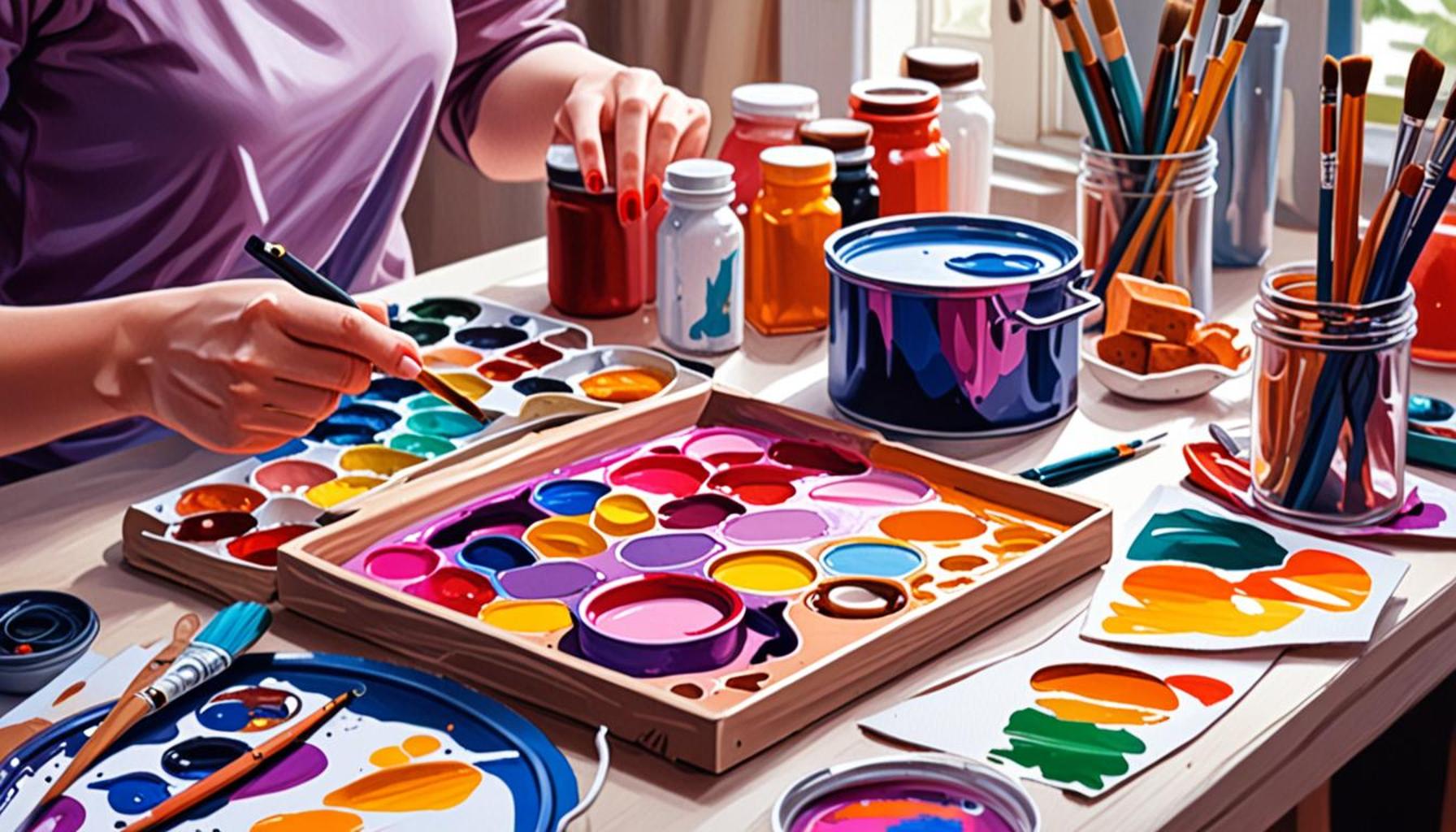
Fabric painting is a dynamic and innovative art form that invites individuals to tap into their creativity and adorn textiles in personal, eye-catching ways. Whether you are revamping an old shirt, customizing a bag, or adding flair to your home décor with painted cushions and curtains, fabric painting empowers you to transform ordinary materials into works of art. The versatility of fabric also means that the possibilities for creation are truly limitless.
Why Fabric Painting?
Engaging in fabric painting offers numerous benefits, making it an appealing endeavor for artists of all ages and skill levels:
- Creativity: Fabric painting serves as a canvas for self-expression, allowing individuals to design unique patterns, colors, and images that reflect their personal style. Imagine adorning a plain t-shirt with vibrant flowers or geometric shapes that capture your personality.
- Customization: This practice enables you to personalize items, providing a one-of-a-kind touch that mass-produced goods simply cannot offer. From monogrammed tote bags to custom wallpaper, your creativity can shine through personalized designs.
- Sustainability: By revitalizing old or worn-out textiles, fabric painting promotes an eco-friendly approach to fashion and home décor. Rather than discarding items, you can breathe new life into forgotten pieces, contributing to a more sustainable lifestyle.
As you delve into the vibrant world of fabric painting, you’ll encounter a variety of techniques that cater to different preferences and skill levels. Here are a few popular methods to consider:
- Stenciling: This technique utilizes pre-cut designs that enable you to create consistent and repeatable patterns on fabric. Stencils can be purchased or handmade, making it accessible for beginners and those looking for precise designs.
- Freehand Painting: For artists who crave spontaneity, freehand painting is the way to go. With brushes and fabric paints, you can create original artworks that reflect your artistic style. This method encourages experimentation and can yield stunning results.
- Block Printing: Respected as a traditional technique, block printing involves creating images using carved stamps. This process allows for intricate designs and is a perfect way to produce repeated motifs on fabric, offering a unique, handcrafted appeal.
Whether you’re an experienced artist or a novice eager to explore a new hobby, fabric painting opens up a treasure trove of possibilities. It’s not just a craft; it’s a way to transform textiles into captivating works of art that tell a story. The joy of creating something uniquely yours can be profoundly satisfying, and the skills you develop can be shared with family and friends, making fabric painting a delightful communal activity. So gather your supplies, unleash your imagination, and start your fabric painting journey today!
DISCOVER MORE: Click here for creative DIY gift ideas
Diving Deeper into Fabric Painting Techniques
As you embark on your fabric painting journey, understanding the various techniques available is essential to unlock your creative potential. Each technique not only offers different aesthetic outcomes but also caters to varying skill levels and artistic expressions. Let’s explore some of the most exciting fabric painting techniques that can help you transform everyday textiles into stunning visual statements.
1. Tie-Dye: The Classic Spirals and Swirls
Tie-dye is perhaps one of the most recognizable fabric painting techniques, known for its vibrant colors and unique patterns. This method involves folding, twisting, or pleating fabric and then binding it with string or rubber bands before applying dye. The binding process creates resist areas that result in a beautiful array of shapes and designs. While traditionally associated with the counterculture of the 1960s, tie-dye has seen a resurgence in popularity, with modern twists such as ombre effects and seasonal palettes. Beginners will find this technique approachable, as it requires minimal specialized equipment and allows for happy accidents while creating.
2. Fabric Markers: Quick and Convenient
If you’re looking for a less messy and more controlled way to decorate fabric, fabric markers are an ideal choice. These markers come in various colors and tip sizes, making them perfect for detailed designs or bold statements. Whether you’re doodling on a canvas tote bag or enhancing a T-shirt, fabric markers allow for instant gratification. They are especially popular among children and newbies to fabric painting due to their ease of use and affordability. Just remember to fix your designs after painting according to the manufacturer’s instructions for a long-lasting finish.
3. Spray Painting: For the Bold and Adventurous
Spray painting opens up a new world of possibilities for fabric artists willing to take a risk with their designs. Using fabric paint in spray form, you can achieve a gradient effect or abstract designs that are hard to replicate with traditional brushes. This technique is particularly effective for covering larger areas quickly or creating layered effects. However, it is essential to work in a well-ventilated area and use protective gear to avoid inhaling spray particles. Additionally, practicing on scrap fabric before applying it to your final project can help build your confidence and refine your technique.
4. Heat Transfer: Bringing Graphics to Fabric
The heat transfer technique is perfect for those who want to apply intricate graphics or designs onto fabric without the hassle of traditional painting. This method involves printing designs onto special transfer paper and then using heat (often from an iron or heat press) to transfer the design onto the fabric. This technique lends itself well to customized clothing and personalized gifts. With a range of printable designs easily available, from intricate patterns to vibrant photos, heat transfer offers flexibility and precision.
In summary, fabric painting is not limited to a single method or style. Each technique provides unique opportunities for creativity and self-expression. As you experiment with these methods, you will discover which resonates most with your artistic vision and skill set. It’s time to roll up those sleeves, gather your materials, and start creating! The canvas of fabric awaits your transformative touch.
| Technique | Benefits |
|---|---|
| Tie-Dye | Creates vibrant patterns, allowing for individual expression. |
| Stenciling | Enables precise designs and repetition, perfect for projects and home decor. |
| Fabric Markers | Convenient for quick designs, suited for both beginners and children. |
| Screen Printing | Allows mass production of complex designs with bold colors. |
Fabric painting techniques, such as Tie-Dye and Stenciling, not only transform textiles into engaging pieces of art but also provide an avenue for creativity and self-expression. Creating your designs through tie-dye promotes a sense of individuality, while stenciling offers a pathway to precision and pattern replication. Another method, fabric markers, brings convenience to the forefront and makes fabric painting accessible, especially for kids or beginners seeking instant results. Screen printing stands out with its ability to produce vibrant designs in bulk, perfect for fashion lines or craft fairs. Exploration of these techniques can elevate your fabric art, turning simple textiles into spectacular works of art. Dive into the world of fabric painting techniques and unlock the artistic potential that transforms everyday fabrics into astonishing masterpieces.
Dive Deeper: Click here to discover the art of storytelling
Exploring Advanced Fabric Painting Techniques
As you delve deeper into the world of fabric painting, the creative possibilities seem endless. For those eager to elevate their textile artistry, experimenting with advanced techniques can lead to mesmerizing results. These methods often require a bit more practice and precision, but the rewards can be truly remarkable. Let’s take a closer look at some of these advanced fabric painting techniques that can further enhance your fabric masterpieces.
5. Stenciling: Precision Meets Creativity
Stenciling is a fantastic way to achieve intricate designs with uniformity and precision. In this technique, you create or purchase a stencil—a template containing cut-outs that define the shapes you want to paint. After securing the stencil on your fabric, you can use a sponge, brush, or spray paint to apply dye within the cut-outs, resulting in crisp, defined designs. This technique allows you to maintain control over color placement and can be used to create repeating patterns or large murals on fabric. For those familiar with graphic design or looking to replicate existing artwork, stenciling is an incredibly effective method to bring your vision to life. Popular materials for stencils include mylar and cardboard, making them both affordable and accessible.
6. Batik: Timeless Tradition of Wax Resist
Batik is an ancient fabric painting technique that originates from Indonesia and has become increasingly popular worldwide for its unique and colorful aesthetic. The process involves applying hot wax onto fabric to create a resist, which prevents dye from penetrating certain areas. After the desired wax patterns are applied, the fabric is submerged in dye baths, and once the dyeing process is complete, the wax is removed, revealing stunning designs. This intricate method requires patience and practice, but batik artists often find that the results justify the effort. Each piece becomes a one-of-a-kind artwork with rich textures and layers of color. Additionally, batik is well-suited for creating table runners, wall hangings, and clothing items that can add a cultural touch to your wardrobe.
7. Squeeze Bottles: Fine Detail at Your Fingertips
Using squeeze bottles filled with fabric paint allows artists to create highly detailed designs and fine lines with ease. These bottles let you control the flow of paint precisely, making it an ideal method for adding intricate details to your designs. Artists often appreciate this method for its ability to create free-flowing art or delicate patterns more akin to drawing than painting. For those interested in creating gradient effects or layering complex colors, mixing fabric dye with water in squeeze bottles can yield stunning results. This technique is especially popular among artists who appreciate a more graphic style in their work.
8. Fabric Collage: Layering Textures and Patterns
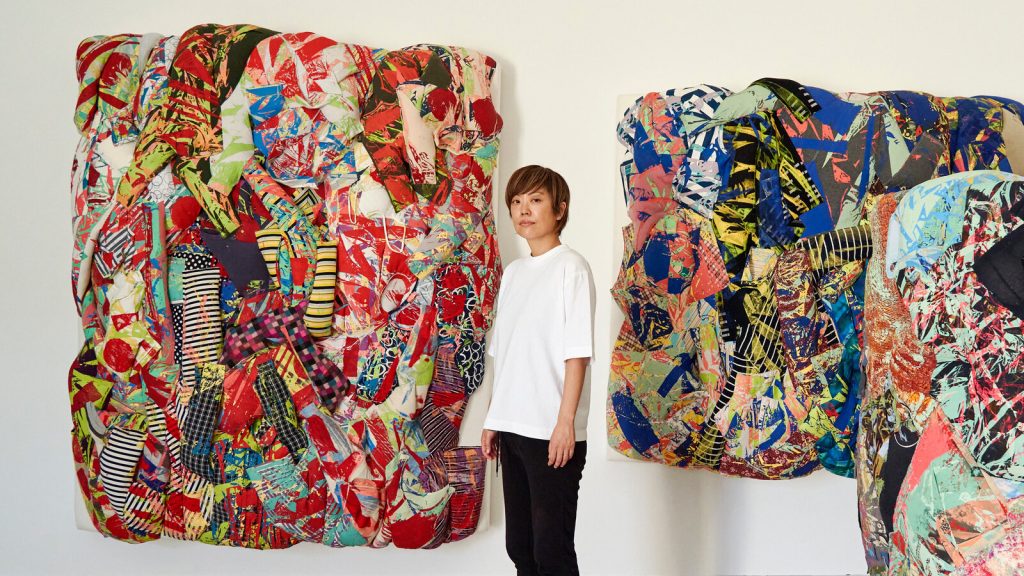
Fabric collage is an artistic technique that combines different fabric pieces, textures, and colors, creating a patchwork of fabric designs enhanced with painting. This method allows artists not only to paint but also to weave storytelling into their fabric. By layering various textiles and adding your painted images, you create depth and interest in the final piece. Collage can be used for multiple projects, from wall art to bags, and is especially beneficial for those who enjoy mixed media art. Incorporating embellishments like beads, buttons, or embroidery can further enhance your collage, resulting in a truly unique piece.
As you explore these advanced fabric painting techniques, remember that the beauty of fabric art lies in experimentation. Each method lends itself to your style and creative journey, allowing you to craft textiles that resonate with your artistic voice. Whether it’s through stenciling precision, the ancient art of batik, or the embellished layers of collage, your textiles can be transformed into unforgettable works of art that reflect your creativity and passion.
DISCOVER MORE: Click here to uncover creative upcycling ideas
Conclusion: The Endless Possibilities of Fabric Painting
In conclusion, the realm of fabric painting is a vibrant tapestry of creativity and expression, where artists can transform simple textiles into stunning masterpieces. From the precision of stenciling to the rich cultural heritage of batik, each technique offers unique opportunities to explore color, texture, and design. Techniques like squeeze bottles and fabric collage further push the boundaries of artistic expression, allowing makers to layer intricacies and craft personal narratives.
The beauty of fabric painting lies in its versatility. Whether you are an experienced artist or a curious beginner, diving into various methods can unleash an abundance of creativity. Each stroke of paint not only enhances the visibility of your artistic vision but also invites you to experiment, make mistakes, and ultimately find your signature style. Furthermore, as fabric painting continues to evolve, incorporating modern technologies and sustainable practices can foster new inspirations.
For those looking to delve deeper into this art form, a wealth of resources, community workshops, and online tutorials awaits to guide your journey. As you embark on your fabric painting adventures, remember that the process is as beautiful as the final result. With passion and practice, you can turn any fabric into a canvas of your imagination, transforming textiles into unforgettable works of art that tell your story.