
DIY Gardening Projects: Create Your Own Indoor Herb Garden
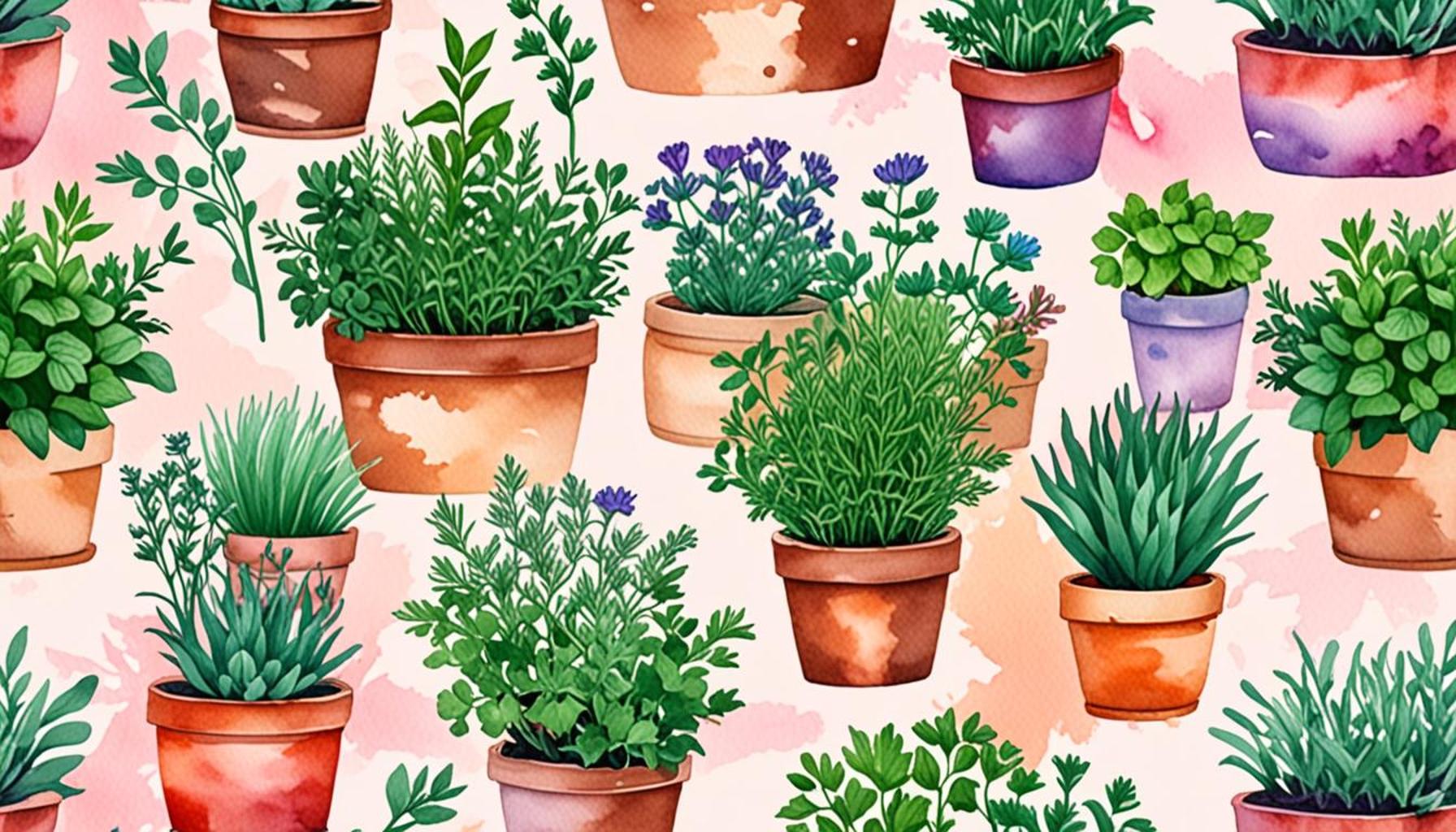
Embrace the Indoor Gardening Trend
Indoor herb gardens are more than just a trend; they offer a chance to bring fresh flavors into your home. Imagine the convenience of snipping fresh basil, thyme, or cilantro right from your kitchen. With a few simple DIY gardening projects, creating your own indoor herb garden can be both fun and rewarding. But the joy of gardening goes far beyond the delicious ingredients you can grow for your meals. It immerses you in a nurturing habit that connects you with nature, even when confined indoors.
Why Grow Herbs Indoors?
Growing herbs in your home provides numerous benefits:
- Fresh Ingredients: Elevate your cooking with herbs that are just steps away. By having basil, oregano, and parsley on hand, you can enhance everything from pasta sauces to gourmet salads, making your culinary experience richer.
- Aesthetic Appeal: Herbs not only serve a culinary purpose but also beautify your space. Their lush green foliage adds a vibrant touch to kitchens, countertops, or window sills while promoting tranquility—herbs such as lavender also produce a delightful aroma that enhances the ambiance.
- Health Benefits: Enjoy the air purification properties of plants and reduce stress levels. Studies have shown that indoor plants can significantly improve air quality, reducing toxins and increasing humidity. Plus, tending to plants can be a stress-relief activity that promotes mindfulness.
Choosing the Right Herbs
Selecting herbs that are easy to grow indoors can make your gardening experience more enjoyable. Consider these popular options:
- Basil: A versatile herb that thrives with plenty of light. Basil loves sunlight and should ideally receive 6-8 hours of bright light daily, making south-facing windows an optimal location.
- Mint: Known for its refreshing scent, mint is low-maintenance and adapts well to various indoor conditions. It’s a robust herb that can be used in beverages, desserts, and savory dishes alike.
- Chives: With their mild onion flavor that complements many dishes, chives require minimal care, making them an excellent choice for beginner gardeners. They thrive in well-drained soil, and regular snipping encourages growth.
With various DIY projects at your fingertips, you can design the perfect indoor herb garden. From repurposed containers to hydroponic systems, each option invites creativity and sustainability into your home. For instance, consider using mason jars for a rustic touch or a tiered vertical garden setup to save space if you have a smaller living area. Not only do you reap the benefits of fresh herbs, but you also contribute to a sustainable lifestyle by reducing the need for store-bought herbs packaged in plastic.
So, are you ready to dig in? Your culinary adventure awaits as you embrace the joy of indoor gardening. Not only will you enjoy the delightful flavors your herbs add to your meals, but you may also find yourself forming a deeper appreciation for the process of growing and nurturing these plants. Explore different herbs and find the ones that resonate with your cooking style—before you know it, you’ll be creating dishes that are bursting with fresh flavor!
DISCOVER: Click here for amazing DIY gift ideas
Getting Started with Your Indoor Herb Garden
Creating an indoor herb garden offers endless possibilities for DIY projects that can elevate not only your cooking game but also your living environment. Whether you have a spacious kitchen or a cozy apartment, you can design a flourishing garden right in your home. The first step toward this green project is to plan your garden layout, which can be a fun and creative process.
Design Ideas for Your Indoor Herb Garden
Your indoor herb garden can be as simple or as elaborate as you want it to be. Here are some DIY design ideas that can inspire you:
- Mason Jar Herb Garden: Mason jars are not only functional but can also add a rustic charm to your kitchen. They can be easily fitted with drainage holes and arranged on a windowsill or hung for a vertical garden effect.
- Tiered Plant Stands: If you’re limited on space, consider using a tiered stand to create a compact herb garden. This design allows for multiple herbs to be planted at different levels, maximizing sunlight exposure and creating an attractive display.
- Wall Planters: Transform a blank wall into a living art installation with wall-mounted planters. These provide excellent space-saving solutions and can be customized with various containers to suit your interior decor.
- Repurposed Containers: Look around your home for containers that can be repurposed into herb pots, such as old teacups, tin cans, or wooden crates. Not only is this a sustainable approach, but it also adds character to your herb garden.
Essential Tools and Materials
To kickstart your DIY indoor herb garden, you’ll need a few essential tools and materials:
- Pots or containers: Select pots that have drainage holes to ensure proper water drainage. You can choose from terracotta, ceramic, or recycled materials.
- Potting soil: A high-quality potting mix designed for indoor plants will provide the nutrients your herbs need to thrive.
- Seeds or seedlings: Purchase seeds or young plants from a local nursery or online. Starting with seedlings can speed up the process of harvesting fresh herbs.
- Gardening tools: Basic tools like small trowels, watering cans, and scissors for trimming will make your gardening experience easier.
Before you begin planting, consider the sunlight exposure your chosen space will receive throughout the day. Most herbs thrive in bright, direct light, so it’s crucial to position them accordingly. If your home doesn’t receive adequate sunlight, don’t fret! You can explore grow lights that simulate sunlight, ensuring your herbs get the energy they need to flourish.
By following these steps and being mindful of your design, you can create a vibrant indoor herb garden that proves not just functional but also a delightful addition to your living space. With a little creativity and planning, you’ll soon have your very own herb sanctuary right at home!
| Category | Details |
|---|---|
| Sustainable Living | Creating an indoor herb garden promotes eco-friendly living by reducing the need for packaged herbs. |
| Health Benefits | Fresh herbs offer nutritional value and can enhance dishes without extra calories or preservatives. |
| Cost Savings | Growing your own herbs can significantly reduce grocery bills associated with buying fresh herbs. |
| Aesthetic Appeal | An indoor herb garden adds a vibrant touch to your home decor, enhancing indoor aesthetics. |
Cultivating your own indoor herb garden is not just a hobby; it embodies a lifestyle choice rooted in sustainability and health. Opting for this DIY gardening project allows you to connect with nature, even within the confines of your home. Imagine having fresh basil, oregano, and mint at your fingertips; it transforms cooking into an exciting experience. The potential for growth and creativity is boundless.Not only does growing your own herbs support a sustainable ecosystem, but it also provides health benefits. Fresh herbs are packed with vitamins, antioxidants, and anti-inflammatory properties. Plus, they contribute to your overall well-being without the added sugars and chemicals often found in pre-packaged culinary products. Embrace the joy of nurturing your indoor garden and witness firsthand how it impacts both your cooking and lifestyle. Such a project goes beyond just aesthetics; it serves as a fulfilling and rewarding journey that enriches your culinary adventures.
DISCOVER MORE: Click here for eco-friendly DIY ideas
Maintaining Your Herbal Paradise
With your indoor herb garden set up, the next step is to ensure it remains vibrant and healthy. Proper maintenance is essential for the longevity and productivity of your herbs. Here are some key practices to consider:
Watering: The Art of Balance
Watering your indoor herbs is often considered an art more than a task. Overwatering is a common mistake that can lead to root rot, while underwatering can cause your plants to wilt or dry out. Generally, it’s best to allow the top inch of soil to dry out before watering again. A good rule of thumb is to stick your finger into the soil—if it feels dry, it’s time for a drink.
Herbs such as basil and mint enjoy consistently moist soil, while others like rosemary prefer drier conditions. Additionally, consider the humidity levels in your home. Herbs thrive in environments with good air circulation and moderate humidity. If your indoor air is too dry, particularly in winter, consider using a humidity tray or a small humidifier to help maintain an optimal environment.
Fertilizing for Growth
While potting soil typically contains nutrients that can sustain young herbs, they will eventually require additional feeding. Using a balanced, water-soluble fertilizer every four to six weeks can help support robust growth. Choose organic options, such as fish emulsion or compost tea, to keep your garden environmentally friendly.
Be mindful of over-fertilizing, which can result in weak foliage plagued by excessive growth. Instead, look for signs your herbs may be in need of nutrients, such as pale leaves or stunted growth, and adjust your feeding schedule and amounts accordingly.
Pruning: A Path to Healthier Herbs
Regular pruning is crucial for encouraging bushier growth and preventing your herbs from becoming leggy. Utilizing sharp, clean scissors, trim back herb foliage, focusing on cutting just above the leaf nodes. This technique stimulates growth and allows the plant to redirect its energy toward new development, resulting in a fuller, more vibrant garden.
Certain herbs, such as basil and mint, benefit immensely from frequent harvesting. With each cut, you’re not only gathering fresh ingredients for your meals but also promoting growth. The more you pick, the more they produce!
Pest Control: Keeping Your Garden Healthy
Even indoor gardens can be susceptible to pests, such as aphids and spider mites, which can hinder your plants’ growth. Monitoring your plants regularly for any signs of infestations is essential. Organic pest control options, like neem oil or insecticidal soap, can effectively manage minor outbreaks. Additionally, introducing beneficial insects like ladybugs in hostile environments can help control pest populations naturally.
The Benefits of Companion Planting
Companion planting involves growing different plants in proximity to enhance growth or ward off pests. For herbs, certain combinations can yield excellent benefits. For instance, pairing basil with tomatoes can boost the flavor and growth of both plants. Similarly, planting chamomile near rosemary can enhance the flavor profile of both herbs.
By utilizing these practices, you’ll be well on your way to maintaining a thriving indoor herb garden, enriching not just your meals but also your home environment. Engaging with your plants routinely creates a nurturing atmosphere that enhances your living space and ignites your culinary passion.
DISCOVER MORE: Click here for eco-friendly DIY inspiration
Embrace the Green: Your Journey Towards an Indoor Herb Garden
As we conclude our exploration of creating your very own indoor herb garden, it’s clear that this DIY gardening project is not just about cultivating plants, but enriching your life in numerous ways. By starting with simple herbs and following essential maintenance practices, you can create a flourishing green space that breathes life into your home.
The benefits of an indoor herb garden go beyond aesthetics; they foster sustainability, provide fresh ingredients for your culinary adventures, and offer a therapeutic hobby that connects you with nature. Imagine plucking fresh basil for your pasta or mint for a refreshing tea, right from your kitchen. This level of accessibility to fresh herbs can elevate your cooking experience, making meals more flavorful and enjoyable.
Additionally, take the time to experiment with different herbs and companion planting techniques. Not only do you enhance growth through synergy among plants, but you also discover unique flavor combinations that keep your culinary creativity thriving. Remember, each interaction with your garden, whether pruning or simply taking a moment to observe, brings you closer to growing a healthier relationship with your food and environment.
In a world where fast-paced living often takes precedence, an indoor herb garden represents a calming retreat and a creative outlet. So roll up your sleeves, gather your materials, and dive into this rewarding DIY gardening adventure. Your indoor herb garden awaits, ready to flourish and become a cherished part of your home and lifestyle.