DIY Fashion: Transforming Old Clothes into Trendy New Outfits
Discover the Art of DIY Fashion
In the fashion landscape of the United States, where fast fashion often rules the market, the emphasis on sustainability and personal expression has sparked a revolution. Revamping old clothes is not just a trend; it is a transformative movement that challenges traditional shopping habits. Instead of discarding worn-out garments, innovative fashion enthusiasts are creatively revitalizing their wardrobes, embracing a style that reflects their individuality while promoting environmental consciousness.
The DIY fashion concept offers a multitude of exciting possibilities, each catering to different styles and preferences. For instance, consider customization. A simple, plain t-shirt can be easily converted into a trendy crop top with just a pair of scissors and a sewing machine or fabric glue. This method of personalization ensures that you wear something truly unique, setting yourself apart in social settings.
Moreover, repurposing is another delightful aspect of DIY fashion. Old jeans, which may have lost their appeal, can be transformed into fashionable shorts, perfect for those warm summer days. Alternatively, with a bit of creativity and sewing skills, those same jeans can be reimagined as a stylish tote bag, allowing for both practicality and a statement piece in your collection.
Then there’s upcycling, an art that involves redesigning garments into completely different, fashionable items. Imagine taking a faded dress that you once loved but no longer wear, and reworking it into a chic two-piece set suitable for a night out. This not only extends the life of the garment but also highlights your resourcefulness and knack for personal style.
Venturing into the world of DIY fashion requires minimal supplies, often just fabric scissors, thread, and a sewing machine or needle. However, the most critical ingredient is a dash of imagination. Each project allows for creativity to flourish, resulting in outfits that express who you are. Moreover, these creations contribute significantly to a more sustainable fashion industry; every piece represents a step away from wastefulness and towards a more mindful approach to clothing.
As you embark on this exciting adventure, it’s worth exploring various styles such as bohemian, retro, or streetwear. For example, a bohemian style can be reflected in flowy skirts and embroidered tops, which can be effortlessly created from existing pieces. Retro aesthetics can bring old school charm back into your wardrobe through modifications that nod to bygone eras. The streetwear scene offers endless opportunities to blend comfort with edgy designs, often leveraging oversized graphics and layering techniques.
Ultimately, the possibilities are boundless. With a few simple techniques and an open mind, your old items can quickly transform into trendy outfits that draw attention for all the right reasons. So the next time you consider tossing a piece of clothing, think again—your next fashion statement might just be waiting for you in your closet.
DISCOVER MORE: Click here for eco-friendly DIY inspiration
Unleashing Creativity: The Basics of DIY Fashion
The realm of DIY fashion invites you to explore your creativity and embrace your uniqueness through the art of garment transformation. As the movement gains momentum across the United States, understanding some fundamental techniques can enhance your experience of reshaping clothes you might have otherwise discarded.
To get started on your DIY journey, it is essential to identify which items in your wardrobe can be reimagined. Here are some popular categories of clothing to consider for customization, repurposing, and upcycling:
- T-shirts: Adaptable and versatile, they can be cropped, tied, or embellished to suit various styles.
- Jeans: A staple in many closets, they can be turned into shorts, skirts, or even bags with a few simple cuts and stitches.
- Dresses: An old, oversized dress can morph into a trendy top and skirt combination or be shortened into a chic mini.
- Sweaters: Transform these cozy items into stylish off-shoulder tops or vests to bring freshness to your wardrobe.
Understanding the basic techniques for DIY fashion can make the process not only enjoyable but also rewarding. Here are a few simple methods to start your transformation:
Customizing Clothes: Personal Touches
Customization gives you the freedom to play with textures and designs. Start with simple alterations, like adding patches or fabric paint to a plain t-shirt. For a bolder approach, consider studding a jacket or incorporating lace details into a skirt. Accessories, such as pins or buttons, can also add a fresh spin on older garments, showcasing your personal flair.
Repurposing: Function Meets Style
Repurposing is about finding new uses for items that may no longer fit or match your style. For instance, an oversized button-up shirt can effortlessly become a stylish dress by cinching it at the waist with a belt. Furthermore, jeans with frayed edges can be transformed into a trendy denim tote bag, marrying fashion with function.
Upcycling: Creating New from Old
When we talk about upcycling, it’s important to think outside the box. This technique goes beyond simple alterations—it reimagines the entire garment. For example, an old belt can be turned into bracelets, while leftover fabric scraps can be stitched together to create unique patchwork clothing. Upcycling is a fabulous way to honor sustainability while creating one-of-a-kind pieces that tell your story.
In an age of fast fashion, taking the time to breathe new life into old clothes not only brings a personal touch to your wardrobe but also helps in reducing textile waste. Engaging in DIY projects goes beyond mere aesthetics; it cultivates a mindset devoted to sustainability and individuality, inviting exploration and self-expression through the art of fashion. So gather your supplies, unleash your creativity, and prepare to redefine your style with a fresh, eco-friendly perspective!
| Advantages | Impact on Fashion |
|---|---|
| Cost-Effective | Recycling old clothes into trendy outfits reduces fashion expenses. |
| Environmental Friendly | Promotes sustainability by minimizing waste and supporting eco-conscious fashion. |
| Creative Expression | Encourages individuals to showcase personal style through unique designs. |
| Skill Development | Enhances sewing and crafting skills, making it a fulfilling hobby. |
Transforming old clothes into trendy outfits opens up a world of limitless creativity. By utilizing what you already own, you not only save money but actively participate in the movement for sustainable fashion. Have you ever considered how a simple pair of scissors and some imagination can lead to a unique garment tailored specifically for your style?The process of redesigning old attire fosters a sense of accomplishment and boosts confidence as you develop new skills. Imagine walking into a room wearing something that was once just an outdated piece in your closet—now revitalized and trending!As you embark on your DIY fashion journey, keep in mind the growing importance of sustainable practices in the fashion industry. Each upcycled outfit contributes to reducing environmental impact, making every piece you create not just a statement of fashion but also of responsibility.Explore the endless possibilities, and uncover the joy of turning what was once forgotten into something fabulous.
DISCOVER MORE: Click here for eco-friendly DIY inspiration
Techniques and Tools for Fashion Transformation
Once you’ve identified which garments are ready for a transformation, the next step involves understanding the techniques and tools necessary to execute your DIY vision effectively. Each project will require a unique approach, but there are common techniques and items that can streamline the process.
Essential Tools for DIY Fashion
Equipping yourself with the right tools can elevate your DIY fashion experience. Here are some staples you might consider:
- Sewing Kit: A basic sewing kit should include needles, threads, scissors, pins, and a seam ripper. Whether you’re making a hem adjustment or crafting a new garment from scratch, these tools can make all the difference.
- Fabric Scissors: Invest in a good pair of fabric scissors—they are specifically designed to cut through textiles neatly and will save frustration in the long run.
- Hot Glue Gun: For a quick fix or embellishment, a hot glue gun is an invaluable tool that can speed up the process of applying rhinestones, patches, or decorative elements.
- Iron and Ironing Board: A well-pressed garment always looks more polished. An iron is essential for achieving a professional finish, ensuring that new hems or embellishments lay flat and neat.
Innovative Techniques to Transform Your Wardrobe
With the right tools in hand, it’s time to dive deeper into some innovative techniques for transforming your clothing. Here are a few advanced methods that can significantly elevate your projects:
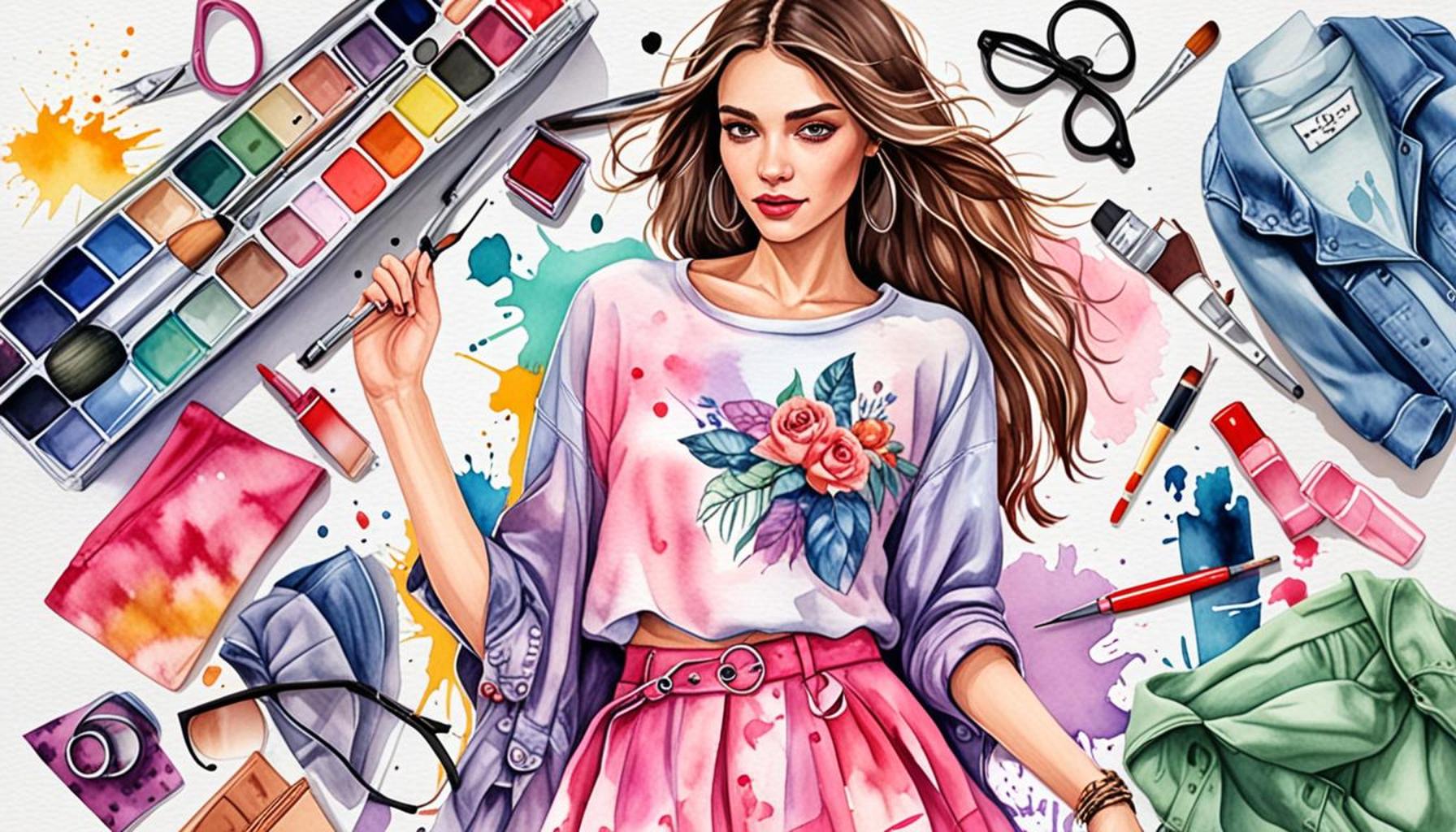
- Bleaching and Tie-Dye: Utilize bleach to create eye-catching designs on darker fabrics, or experiment with tie-dye methods to give old shirts and dresses a vibrant update. This technique not only revitalizes garments but also taps into a fun, nostalgic trend.
- Patchwork and Mending: Instead of discarding damaged clothing, embrace the art of visible mending. Using colorful threads or contrasting fabrics to patch up holes not only extends the life of a garment but also adds a unique, artistic flair.
- Shibori and Other Dyes: Japanese Shibori is a fascinating technique that requires folding, twisting, and binding fabric before dyeing it. This method creates intricate patterns, giving garments an exotic, handcrafted appeal.
- Layering Fabrics: Use sheer layers over solid garments for a textured look or create a standout piece by fracturing garments into layered outfits. This technique adds depth while maximizing versatility.
As you explore these techniques, consider keeping a journal of your projects. Documenting your processes not only allows you to track progress but also sparks new ideas. The ability to visualize your plans can be incredibly helpful in creating cohesive outfits and ensuring your DIY efforts align with your personal style.
Exploring Online Communities and Resources
The DIY fashion community thrives online, and immersing yourself in these platforms can amplify your learning experience dramatically. Websites such as Pinterest, Instagram, and various DIY blogs are treasure troves of inspiration. Many enthusiasts and creators share step-by-step guides and video tutorials, which can help demystify complicated techniques.
Additionally, consider joining local sewing circles or online forums where you can connect with like-minded individuals who are equally passionate about garment transformation. Sharing tips, successes, and even failures can foster a sense of camaraderie and inspire creativity in your projects.
With knowledge of essential tools, innovative techniques, and the support of online communities, you are well-equipped to embark on your DIY fashion journey. Get ready to transform your wardrobe profoundly, moving beyond simple clothing updates to creating stunning, personalized, and sustainable outfits that reflect your individuality and style. Let your imagination run wild, and enjoy the process of remaking fashion one piece at a time!
DON’T MISS: Click here for creative DIY gift ideas
Embrace the Art of DIY Fashion
In conclusion, the world of DIY fashion offers an exciting and sustainable way to express your creativity while revitalizing your wardrobe. By transforming old clothes into trendy new outfits, not only do you reduce waste, but you also cultivate a style that is uniquely your own. With the essential tools and innovative techniques explored throughout this article, you are prepared to embark on this rewarding journey.
Remember, the process of upcycling isn’t just about the end result—it’s about the joy of creation, experimentation, and personal expression. As you dive into techniques like tie-dye, patchwork, and fabric layering, you’ll discover the thrill of seeing your vision come to life. Don’t hesitate to explore resources available online or join local DIY communities to enhance your skills and gain fresh ideas. Connecting with fellow enthusiasts can significantly enrich your experience, providing a collaborative environment to share successes and challenges.
So gather your old garments, unleash your imagination, and embrace the endless possibilities of DIY fashion. As you curate a wardrobe that mirrors your personality, you’ll not only enjoy the satisfaction of handmade creations but also inspire others to consider a sustainable approach to fashion. Start your journey today, and turn a simple act of sewing into a remarkable statement of individuality!