Developing Drawing Skills with Shading Techniques
Unlocking Artistic Depth with Shading Techniques
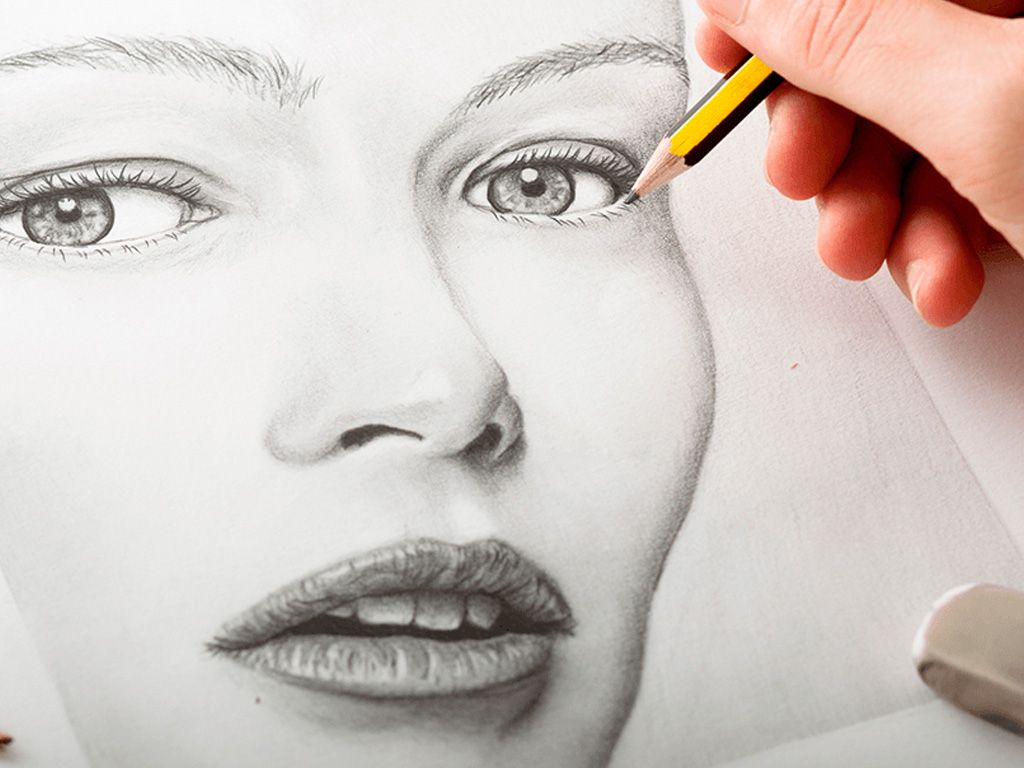
Drawing is an intricate dance between light and shadow, where the nuances of shading play an instrumental role in creating lifelike images. Shading transforms flat images into dynamic works of art, offering texture and volume that breathe life into your subjects. From the subtle curves of a fruit to the complex facial expressions of a portrait, understanding shading techniques is essential for any artist looking to elevate their skills and influence the viewer’s perceptions.
As you navigate the journey of enhancing your drawing prowess, it is important to explore various aspects of shading:
- Types of shading: Familiarize yourself with techniques such as hatching, which uses parallel lines to create texture, and cross-hatching, where lines are layered in different directions for darker tones. Stippling, on the other hand, utilizes dots to form depth, while blending involves smoothing out pencil marks for a softer look. Each technique can evoke different emotions and atmospheres, shaping how your artwork communicates.
- Tools: The choice of tools significantly impacts your shading results. Pencils come in various hardness levels, from the soft 6B that produces rich, dark lines to the harder 4H, perfect for fine details. Charcoal offers a dramatic contrast and rich black tones, ideal for expressive shading. Blending stumps help in achieving smooth transitions between light and shadows, enhancing realism in your drawings.
- Light and shadow: The interplay between light and shadow is crucial in your artistic toolkit. Observing how natural light falls on objects can change your perception of depth. Shadows indicate the form and volume of objects, while highlights can draw attention to focal points. Without a solid grasp of these principles, even the most detailed drawing can feel flat.
For aspiring artists across the United States, local art schools and community workshops present effective platforms for mastering shading techniques. Many cities offer courses where you can learn firsthand under experienced instructors, providing not just instruction, but also the opportunity for constructive critique and collaboration. Engaging with peers in these settings often inspires experimentation, pushing you to refine your unique style.
Beyond traditional methods, the rise of online tutorials and art platforms has broadened the horizons for artists of all levels. Websites and social media platforms dedicated to art provide a wealth of resources, including video demonstrations from seasoned artists that can significantly enhance your learning experience.
By immersing yourself in various shading techniques, you not only improve your artistic abilities but also gain a profound understanding of the visual world. This exploration may lead to revelations that elevate both your skillset and creative expression, encouraging you to take bold risks in your artistic journey. The road to becoming a master artist is paved with practice and discovery, so embrace the challenge of shading and watch your artwork flourish.
DISCOVER: Click here to find fun craft projects
Essential Shading Techniques to Elevate Your Drawings
When it comes to developing drawing skills with shading techniques, understanding the foundational methods is crucial. Each shading technique offers unique effects that can significantly alter the mood, depth, and realism of your artwork. Mastering these techniques helps you to convey not just form, but also emotion and atmosphere. Below, we delve into several essential shading methods that every artist should explore:
- Hatching: This is one of the simplest and most effective shading techniques, which uses parallel lines drawn close together. Adjusting the spacing between the lines can control the darkness of the shading. Beginners can practice hatching on simple shapes like spheres or cubes to see how light affects depth.
- Cross-Hatching: By layering horizontal and vertical lines, artists create tones that are richer and more complex compared to simple hatching. This technique is particularly effective for creating shadows that depict folds in fabric or intricate textures in organic subjects. As artists gain confidence, they often use cross-hatching in portraits and still life to add depth.
- Stippling: This technique involves using small dots to build up areas of light and shadow. While it requires more time and patience, stippling yields remarkable results, especially in detailed work. Artists can experiment with dot density to create gradients from light to dark, perfect for capturing the intricate details of a subject.
- Blending: Using blending tools such as tortillons or even fingertips, artists can soften the stark edges created by pencil strokes. This creates a more realistic transition between light and shadow. Blending is particularly useful in portrait drawing, where smooth skin tones are desired, or in landscapes to convey atmospheric perspective.
- Scrumbling: This technique entails using small circular motions to apply shading. Scrumbling can be particularly effective when working with charcoal or softer pencils, allowing for more expressive textures. It works wonderfully in natural settings, such as depicting the uneven surfaces of rocks or foliage.
As you explore these diverse shading techniques, remember that practice is key. Each method serves a distinct purpose and can dramatically alter the viewer’s perception of your artwork. Consider starting with simple shapes and gradually integrating shading into complex subjects. By doing so, you will develop a sharpened eye for detail and a more intuitive understanding of how light interacts with different forms.
With patience and diligence, these shading methods will serve as stepping stones along your artistic journey. Each stroke not only advances your technical abilities but also enriches your creative expression, allowing you to bring your artistic vision to life in ways you never thought possible.
Enhancing Depth and Realism in Art
One of the central elements in developing drawing skills is mastering shading techniques. Shading not only adds dimension but also creates a sense of realism in artwork, allowing artists to imitate how light interacts with objects. Understanding the gradients of light and shadow can transform a flat drawing into a striking visual narrative. As artists experiment with different shading methods such as hatching, cross-hatching, and blending, they learn to control light sources effectively. Manipulating these elements helps in portraying textures and surfaces, whether it is the smooth gleam of a shiny apple or the roughness of tree bark. Moreover, the practice of shading enhances an artist’s overall comprehension of form and structure. By observing how light falls on various subjects, artists can make more informed choices about proportions and angles in their drawings. This analytical approach cultivates critical thinking skills, essential for any creative endeavor.Additionally, incorporating shadow techniques can evoke a range of emotions in viewers. Shadows create atmosphere and can convey mood, thus expanding the artist’s expressive potential. For example, a dramatic shadow can add tension to a character in a story, while soft shading can evoke a sense of calm and tranquility.Here’s a table summarizing the key advantages of shading techniques in art:
| Advantage | Description |
|---|---|
| Improves Depth | Shading techniques create realistic depictions by simulating light and shadow interactions. |
| Enhances Texture | Different shading methods allow artists to replicate various surface qualities, enriching their artwork. |
Incorporating these aspects into one’s art practice leads to well-rounded and skillful artists prepared to interpret their creative ideas in rich, dynamic ways. The continual exploration of shading techniques opens up a world of possibilities for artistic expression, inviting each artist to delve deeper into their craft.
DISCOVER MORE: Click here to dive deeper
Advanced Shading Techniques to Enhance Depth and Dimension
As artists progress from foundational techniques, advanced shading methods emerge, opening up realms of complexity and nuance in artwork. Employing these techniques can lead to drawings that resonate more deeply with viewers, as they effectively convey intricate details and lifelike textures. Here are some advanced shading strategies to consider incorporating into your practice:
- Chiaroscuro: This technique involves the dramatic contrast between light and dark to create a sense of volume and depth. Chiaroscuro has historical roots in Renaissance art, showcasing how light can sculpt forms. Artists can use this method to bring a three-dimensional quality to their work, often starting with a grayscale scale to master the light source before adding color.
- Grisaille: Painting or drawing entirely in shades of gray creates an illusion of form without the influence of color. Its application is particularly effective in capturing the subtleties of shadow and light. Also prevalent in classical art, grisaille can serve as excellent practice for understanding the tonal range and gradients before transitioning to full-color pieces.
- Half-Tone Shading: This technique uses a series of dots or lines to create an optical illusion of gradation. Half-tone shading can be especially useful in graphic design and illustration to render shadows without losing poster quality. Artists can manipulate the density of the tone to achieve a smooth gradient, paving the way for striking visuals in both traditional and digital mediums.
- Foreshortening: This technique creates the illusion of an object receding strongly into space. By compressing the space between the viewer and the subject, artists can depict dynamic perspectives, enhancing the visual impact of their compositions. It’s particularly useful when drawing figures or objects that need to convey dramatic depth, such as hands reaching out or limbs stretched away.
- Tinting and Shading: Combining color with shadow can create a striking effect that goes beyond typical grayscale shading. Artists can explore soft pastels or watercolors to experiment with depth through hue variations, imbuing their work with emotional resonance. This method encourages creativity, prompting artists to think not just about dark and light but also about how color interacts with form.
As you delve into these advanced shading techniques, consider how they can transform the way you view light and form. By engaging with each method in a focused manner, you will enhance your understanding and application of shading, driving your artistic expression to greater heights. Experimentation is essential, so challenge yourself to apply these techniques in various formats, be it drawing, painting, or mixed media.
Furthermore, analyzing the works of master artists—who adeptly employed these techniques—can provide valuable insight into their application. Look at the chiaroscuro of Caravaggio, the intricate madness of hatching in Albrecht Dürer’s prints, or the delicate blending in a Vermeer painting. Understanding these historical precedents can provide inspiration and practical strategies, further empowering you on your journey to mastering shading techniques in drawing.
DISCOVER MORE: Click here for eco-friendly DIY inspiration
Conclusion: Mastering the Art of Shading Techniques
In conclusion, developing drawing skills through the use of shading techniques is a transformative journey for any artist. The mastery of light and shadow not only enhances your ability to depict volume and depth but also enriches your visual storytelling. By exploring advanced shading techniques such as chiaroscuro, grisaille, half-tone shading, foreshortening, and tinting, you are equipped to elevate your artwork into a realm that captivates and engages viewers on multiple levels.
As you practice these approaches, remember that the learning process is iterative. Each drawing offers a chance to refine your understanding of light dynamics while enabling you to experiment boldly with forms and colors. Consider drawing inspiration from the rich history of renowned artists who have successfully utilized shading to evoke emotion and depth; this can provide invaluable insights as you forge your unique artistic voice.
Ultimately, the key to developing your drawing skills lies in a commitment to practice and exploration. Engage with various mediums, reflect on your progress, and embrace the subtleties of shading as a means of creative expression. This commitment can lead to impressive artistry that resonates with others, making your work not just an image on paper but a compelling visual narrative that speaks volumes. Keep pushing the boundaries of your talent, and continue to discover the fascinating interplay of light, shadow, and color in your art. Your journey as an artist is ongoing; let shading techniques be a pivotal aspect of that exploration.