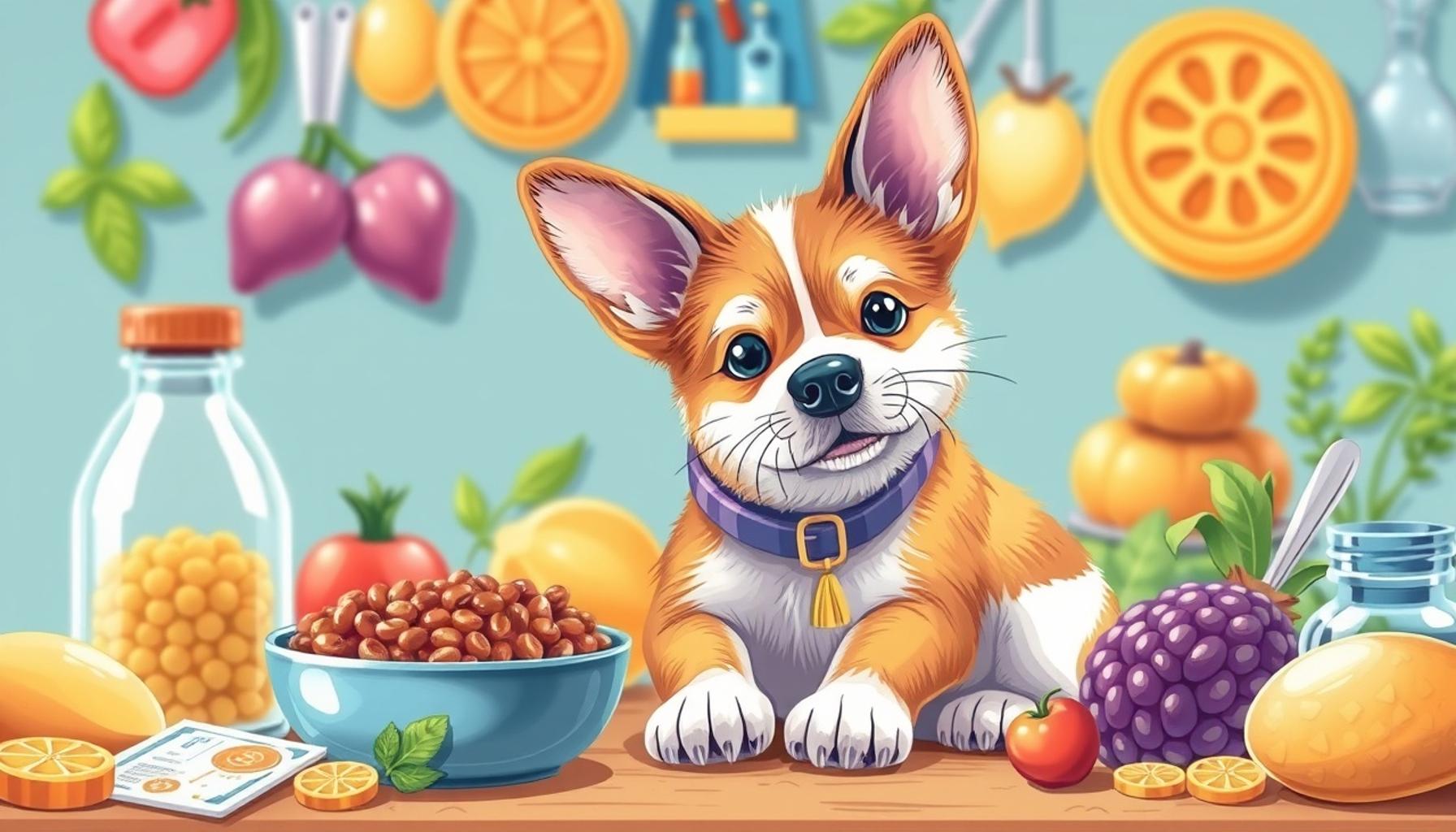
Demystifying Homemade Foods: What You Need to Know Before Cooking for Your Pet
Unlocking the Secrets of Homemade Pet Meals
Many pet owners are eager to explore the realm of homemade pet foods, seeking to provide their furry companions with the best nutrition possible. Before diving into this culinary adventure, it is essential to understand the fundamentals that come with it. A seemingly simple recipe can quickly turn into a nutritional disaster if one isn’t informed about their pet’s dietary needs and safety precautions.
First and foremost, consider the nutritional balance. Pets require a specific combination of proteins, fats, carbohydrates, vitamins, and minerals tailored to their species, age, and activity level. For example, dogs are omnivores and thrive on a mix of meat, grains, and vegetables, while cats are obligate carnivores and generally require a diet high in protein. A well-rounded recipe might include cooked chicken, sweet potatoes, and peas for a dog, ensuring that all essential nutrients are present. In contrast, a cat’s meal may consist primarily of cooked fish and some organ meats alongside a small amount of vegetables.
Equally important is ingredient safety. Many common foods are toxic to pets; items like chocolate, onions, garlic, and grapes can be harmful or even fatal. For instance, even a small amount of chocolate can lead to severe health issues in dogs due to theobromine toxicity. Therefore, it’s crucial to familiarize yourself with which everyday foods to avoid when creating your pet’s meals.
Another key point to consider is the necessity of consultation with a vet. Before making significant dietary changes, involving your veterinarian in your pet’s dietary plans is vital. They can provide guidance tailored to your pet’s specific health conditions, helping you formulate a diet that supports their overall well-being. For instance, if your dog has kidney issues, your vet might recommend lower-protein foods to alleviate strain on their kidneys.
Moreover, understanding your pet’s allergies and preferences cannot be overlooked. Tailoring recipes to accommodate these factors ensures that mealtime is not only nutritious but also enjoyable. Some pets may be allergic to specific proteins or grains, while others may have preferences based on taste and texture. Conducting a gradual introduction of new foods can help you monitor for allergic reactions and establish your pet’s favorites.
In conclusion, understanding these key factors can set the stage for creating delicious, wholesome meals your pets will love. There are countless resources, including websites, books, and online communities dedicated to helping pet owners with homemade meals. By doing a bit of research and engaging with fellow pet parents and experts, you can demystify the art of cooking for your pets, enhancing their overall well-being and deepening your bond with them.
Navigating the Essentials of Homemade Pet Nutrition
Before embarking on the journey of crafting homemade meals for your pet, it’s crucial to understand the delicate balance of their dietary needs. Homemade pet foods can be a rewarding way to ensure your furry friend is receiving high-quality ingredients, but if done incorrectly, it can lead to serious health concerns. Let’s delve into the fundamental aspects that every pet owner should consider.
The Importance of Nutritional Balance
Every pet is unique, and their dietary requirements can vary significantly depending on a range of factors, including species, age, activity level, and health status. When preparing homemade meals, keep in mind the following essential nutrients:
- Proteins: The cornerstone of your pet’s diet, proteins help in building and repairing tissues. For dogs, sources such as chicken, turkey, and fish can be beneficial, while cats require higher amounts of meat-based proteins.
- Fats: Healthy fats, such as those found in fish oil or flaxseed oil, are vital for energy, absorbing vitamins, and maintaining skin and coat health.
- Carbohydrates: While not as crucial for pets as proteins and fats, grains and vegetables can provide your pets with energy and dietary fiber. Consider options like brown rice or sweet potatoes for dogs.
- Vitamins and Minerals: These are essential for various bodily functions, including bone health and immune system support. Incorporating leafy greens or supplements can help fulfill these needs.
Keeping your pet’s nutritional balance in mind will help prevent deficiencies or excesses that could lead to health issues. It’s wise to consult resources or talk to a professional for specific guidelines tailored to your pet.
Ingredient Safety: A Critical Consideration
While many foods are safe and nutritious, others can pose serious risks to our pets. Awareness of toxic ingredients is an essential part of developing a safe homemade diet. Here are some common foods that should always be avoided:
- Chocolate: Known for its toxicity in dogs, chocolate can cause severe symptoms ranging from vomiting to seizures.
- Onions and Garlic: Both can damage red blood cells in dogs and lead to anemia.
- Grapes and Raisins: Even small amounts can lead to kidney failure in dogs.
- Xylitol: This sugar substitute, often found in sugar-free products, can lead to rapid insulin release and hypoglycemia in dogs.
Educating yourself about which ingredients are safe and which should be avoided will greatly enhance your pet’s safety and overall health. It may be worth keeping a list handy when grocery shopping or preparing meals at home.
As you are considering venturing into homemade pet meals, remember that knowledge is your best ally. With careful planning and attention to nutrition, you can create a meal plan that keeps your pet healthy, happy, and thriving without anxiety around their food. Taking the first steps can lead you on an enlightening path to better pet care.
| Advantage | Detail |
|---|---|
| Custom Nutrition | Homemade pet foods allow you to tailor your dog’s or cat’s diet to their specific health needs, ensuring robust nutrition. |
| Quality Control | You can select high-quality, organic ingredients, eliminating harmful additives commonly found in commercial pet foods. |
| Cost-Effective | Preparing meals at home can be less expensive than buying premium commercial pet food, offering long-term savings. |
| Enhanced Flavor | Homemade meals can be more palatable and enjoyable for pets, encouraging better eating habits. |
When venturing into the realm of homemade pet foods, understanding the nutritional requirements of your pet becomes paramount. Each animal has unique dietary needs that can be influenced by their breed, age, and health status. For instance, puppies require higher protein levels, while older pets may benefit from easier-to-digest formulas. Incorporating a variety of protein sources such as chicken, beef, or fish, along with vegetables like carrots and peas, creates a balanced meal.Furthermore, many pet owners find that homemade meals elevate the bond between them and their pets. Preparing food at home not only takes the guesswork out of meal preparation but also provides a sense of fulfillment knowing you are contributing to your pet’s well-being. Even simple ingredients like sweet potatoes or brown rice can be beneficial. Moreover, being knowledgeable about potential harmful ingredients is critical. Some foods, such as grapes or chocolate, can be toxic to pets. This emphasizes the necessity of research and possibly consulting a veterinarian before making significant dietary changes. In summary, exploring homemade pet foods can lead to remarkable benefits for your furry friends, enriching both their health and the relationship you share. A thoughtful approach towards pet nutrition opens a world of wholesome possibilities while ensuring your pet leads a happy, healthy life.
Understanding Preparation and Portion Control
As you step into the world of homemade pet food, mastering the art of meal preparation and portion control is essential. Not only does this affect the nutritional value of the food you create, but it also directly impacts your pet’s health and wellbeing. Let’s explore key considerations in these areas to set you up for success.
Proper Cooking Techniques
Cooking for your pet requires more than just putting ingredients together; it involves understanding the right techniques that keep nutrients intact. For instance, steaming vegetables is an excellent way to preserve vitamins, while boiling may leach nutrients into the water. Some other techniques include:
- Grilling or Baking Proteins: Cooking meats at high temperatures ensures that harmful bacteria are eliminated, and this method can also enhance flavors without adding excess fat.
- Slow Cooking: This method can be advantageous as it breaks down tough fibers in meats and vegetables, making it easier for pets to digest.
- Avoiding Seasonings: It’s beneficial to refrain from using salt, spices, or sauces that are popular in human cooking, as many of these can be harmful to pets.
Additionally, make sure to have a thermometer on hand to ensure that meats are cooked to safe internal temperatures, especially poultry, which should reach at least 165 degrees Fahrenheit to eliminate harmful bacteria.
Portion Control: Tailoring to Your Pet’s Needs
Understanding how to appropriately portion meals for your pet is critical as overfeeding can lead to obesity and related health issues, such as diabetes and joint problems. Factors such as your pet’s size, breed, activity level, and age should play a significant role in determining portion sizes. Here’s how to effectively tailor portions:
- Consult Guidelines: Many resources provide caloric intake guidelines based on the pet’s weight and activity level. Most commercial dog food packaging includes feeding recommendations that can serve as a reference.
- Use Measuring Tools: Invest in a digital kitchen scale and measuring cups to accurately portion food. This ensures you are providing the right amounts every mealtime.
- Monitor Body Condition: Regularly assess your pet’s body condition score (BCS) to adjust portions as required. This will allow you to remain vigilant for any signs of weight gain or loss.
Incorporating snacks and treats into your pet’s daily diet should be done carefully, ensuring that they do not constitute more than 10 percent of their daily caloric intake. Healthy options like carrots for dogs or small pieces of cooked chicken should be selected sparingly.
The Role of Supplements
Even with careful planning, homemade diets can sometimes lack essential nutrients. This is where dietary supplements come into play. Fish oil and probiotics, for example, can provide health benefits that homemade foods may lack. However, it’s important to consult a veterinarian before introducing any supplements to your pet’s diet. They can help determine the right choices tailored to your pet and assess if there are any specific deficiencies that need to be addressed.
By understanding preparation methods, controlling portions, and being open to supplements, you can build a comprehensive homemade meal approach that supports your pet’s nutritional needs while minimizing the risk of health issues. Embracing these essential techniques will empower you to create nutritious meals that enhance your pet’s life, all while deepening the bond you share through the love of homemade food.
Conclusion: The Journey of Homemade Pet Foods
Embarking on the journey of homemade pet foods can be a rewarding endeavor that strengthens the bond between you and your furry companion. As we’ve explored, a well-rounded understanding of preparation techniques, portion control, and the potential need for supplements is crucial for successfully creating nutritious meals. Each pet is unique, and their dietary needs can vary greatly based on factors such as breed, age, and activity level. With the right approach, you can ensure that your beloved pet receives the balanced nutrition they need to thrive.
As you dive deeper into homemade pet foods, consider keeping a pet food diary to track what you cook, portion sizes, and how your pet responds to various ingredients. This can help you fine-tune their diet while also alerting you to any food sensitivities. Don’t hesitate to stay informed by consulting with pet nutrition experts or your veterinarian, as their insights can guide you towards the healthiest choices tailored specifically for your pet.
Ultimately, the love and effort you invest in preparing homemade meals reflect in your pet’s happiness and well-being. As you demystify the process and actively engage in your pet’s nutrition, you will not only promote their health but also create joyful mealtime experiences that you both cherish. So go ahead, embrace the joy of cooking for your pet, and witness the positive changes it can bring to their life.

Beatriz
Beatriz Johnson is a seasoned pet care expert and writer with a passion for simplifying the complexities of pet ownership and animal well-being. With over a decade of experience in the field, she specializes in topics like pet nutrition, training techniques, and health care. Through her work on our website, Beatriz empowers pet owners to make informed decisions and provide the best possible care for their furry friends, ensuring happy and healthy lives for their beloved companions.