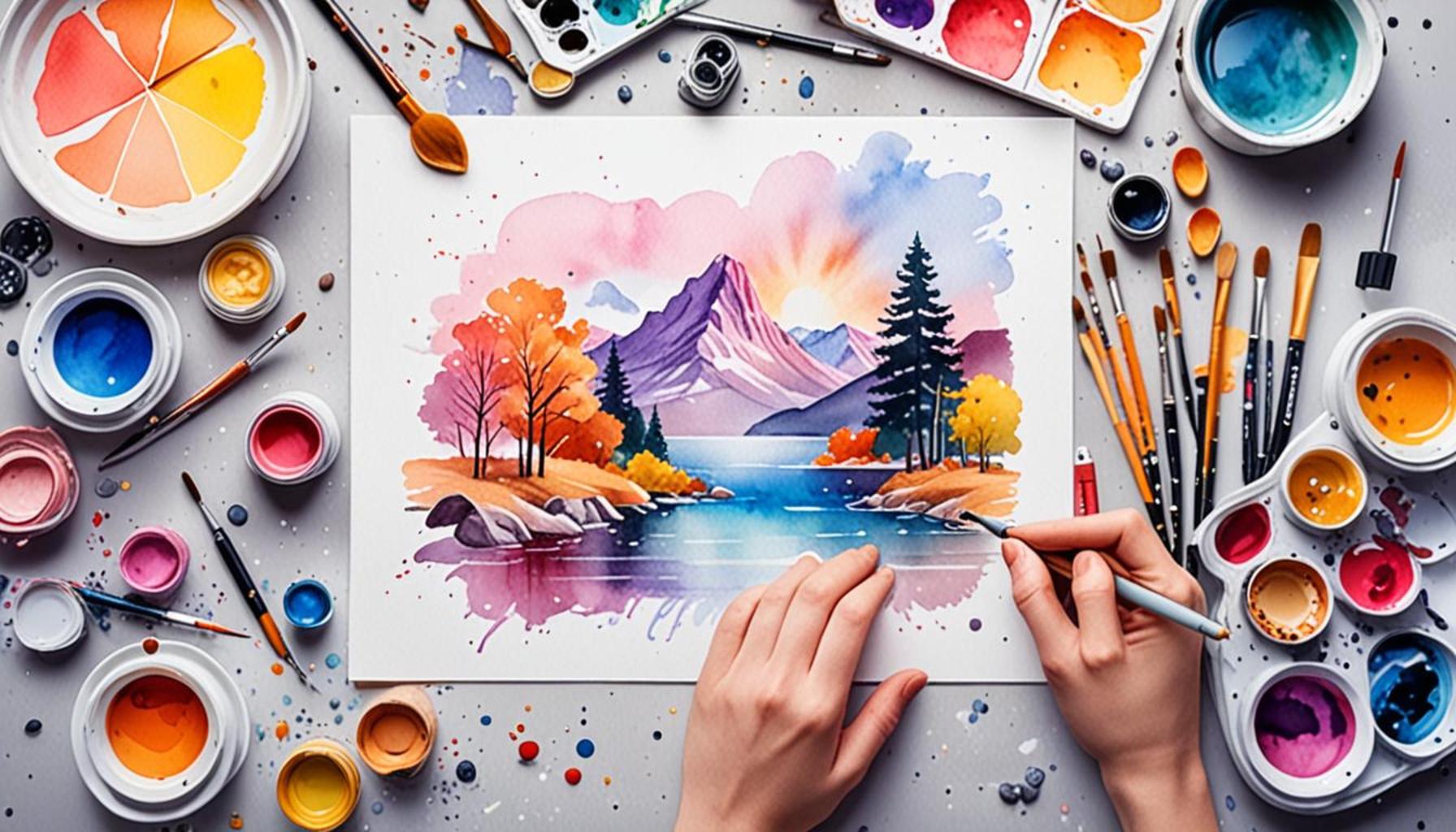
Capturing the Beauty of Nature: Outdoor Painting Techniques for Beginner Artists
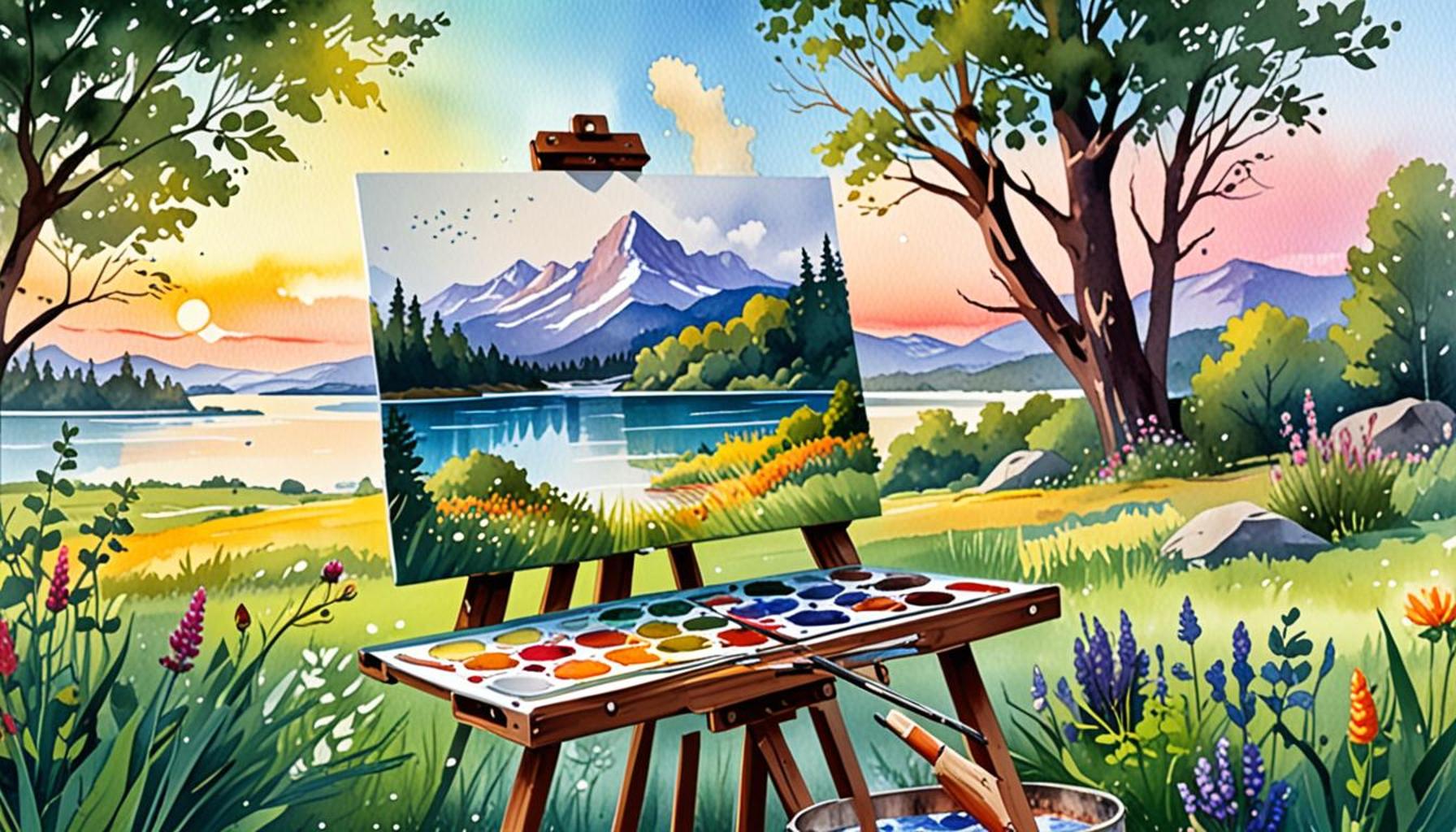
Discover the Art of Outdoor Painting
The allure of the natural world has long captivated artists, sparking a desire to translate its beauty onto canvas. Outdoor painting, often referred to as plein air painting, allows you to harness the stunning vistas and dynamic landscapes around you, transforming fleeting moments into enduring masterpieces. For beginner artists, this practice provides a unique blend of inspiration and challenge, encouraging both skill development and a profound appreciation for the environment.
So, where does a novice painter begin this journey? Here are some essential outdoor painting techniques that can elevate your experience and results:
- Light and Shadow: One of the most crucial aspects of outdoor painting is understanding how natural light interacts with your subject. Notice how the sun’s position changes the shadows and highlights throughout the day. For example, early morning light can create a soft, warm glow over landscapes, while midday sun produces sharper contrasts. Observing these changes will help you capture depth and dimension in your artwork.
- Color Mixing: Nature’s palette is rich and varied. Take the time to experiment with mixing colors to accurately portray the vibrancy found in flowers, the iridescence of a clear blue sky, or the deep greens of lush foliage. A tip for beginners is to focus on the primary colors and learn how to blend them to achieve the spectrum seen in nature.
- Composition: Effective composition is vital in creating balanced and compelling artwork. Familiarize yourself with compositional rules such as the rule of thirds, which can guide how to arrange elements within your painting. For example, placing the horizon line in the upper third of your canvas can emphasize a dramatic sky while allowing a foreground subject, like a tree or a rock, to draw the viewer’s eye.
- Brush Techniques: The type of brush you use greatly influences the texture and detail in your painting. From broad strokes that suggest the fluidity of water to fine tips that can detail the veins in leaves, each brush technique offers a distinct method to convey different natural elements. Explore using palette knives for texture or dry brushing for highlighting the delicate filigree of landscape.
Engaging in outdoor painting does more than refine your artistic abilities; it fosters a deeper connection to the world around you. By immersing yourself in the sights, sounds, and even the scents of nature, you breathe life into your canvases, capturing the beauty of nature that resonates with you.
So, are you ready to embrace this creative outlet? Grab your easel, a set of paints, and venture outside. Allow the sights and sounds of the natural world to guide your creative expression. Each stroke of your brush holds the potential for discovery and growth in your artistic journey, encouraging you to explore techniques, styles, and ultimately, your own unique voice as an artist.
DISCOVER MORE: Click here to explore sustainable crafting ideas

Essential Techniques for Every Outdoor Artist
As a beginner artist stepping into the vibrant world of outdoor painting, mastering certain key techniques can significantly enhance both your experience and your artwork. The following methods are designed to help you effectively capture the breathtaking beauty of nature while honing your artistic skills:
- Observation Skills: Before you even pick up a brush, spend a few moments studying your surroundings. Nature is a treasure trove of details, from the subtle shifts in color to the varying textures of leaves, water, and sky. Take time to observe how light affects the colors throughout the day. This careful observation will not only enrich your understanding but also inform your brushwork and composition choices.
- Quick Sketching: Often, the best way to translate a scene onto canvas is through quick sketching. Use a small sketchbook to jot down your ideas, focusing on the predominant shapes and outlines rather than intricate details. This will help you capture the essence of your subject and can serve as a reference for your final painting.
- Choose Your Time Wisely: The time of day can greatly influence the quality of your painting. Golden hours—early morning and late afternoon—offer a magical quality of light that can transform ordinary landscapes into extraordinary scenes. As the sun casts long shadows and bathes everything in warm hues, your outdoor paintings can mirror that enchanting beauty.
- Layering Paint: Building your artwork in layers can create more depth and richness in color. Start with an underpainting consisting of a thin wash to outline general shapes and colors. As you layer on additional paint, you can gradually build up both highlights and shadows, effectively improving the three-dimensional feel of your work. Experiment with both transparency and opacity to achieve light effects that mimic those you observe in nature.
Incorporating these fundamental techniques into your outdoor painting practice can significantly improve your ability to capture the inherent beauty of nature. Furthermore, actively engaging with your environment allows for a more profound sense of connectivity and inspiration, both crucial elements in your artistic journey.
As you embark on your outdoor painting adventures, remember that every artist has a unique style that develops over time. Each painting session is a step toward refining your skills and discovering your voice. Embrace the process and let each stroke of your brush be a reflection of the beauty you see in the world around you.
| Techniques | Benefits |
|---|---|
| En Plein Air | This technique enhances observation skills and allows artists to capture the essence of their surroundings. |
| Live Sketching | Enables artists to quickly jot down ideas and concepts while fostering creativity and spontaneity. |
| Palette Knife Techniques | Creates textured, dynamic landscapes, allowing for unique expression and manipulation of paint. |
| Color Mixing | Deepens knowledge of hues and shades, resulting in more vibrant outdoor scenes that reflect natural beauty. |
As the exploration of outdoor painting techniques begins, en plein air emerges as a fundamental method for capturing the essence of nature. This practice not only refines an artist’s observational skills but also instills a deeper connection with the environment by immersing them in the surroundings they wish to depict. Techniques such as live sketching encourage spontaneous creativity and rapid idea generation. Additionally, utilizing palette knife techniques can yield exquisite textures and vivid landscapes that stand apart from more conventional methods. Artists delve into the science of color mixing, enhancing their palettes to create stunning representations of nature. Each technique presents a compelling pathway for beginner artists to develop their unique artistic identity while celebrating the beauty found in the world around them.
DIVE DEEPER: Click here to discover more engaging experiences
Color Theory and Its Application in Outdoor Painting
One of the most vital components of outdoor painting is understanding color theory and how it applies to your artwork. For beginner artists, grasping the intricate relationships between hues, saturation, and value can open up new avenues for creativity and expression in capturing nature’s beauty.
- Understanding Color Relationships: Familiarize yourself with the color wheel, which demonstrates the relationships between primary, secondary, and tertiary colors. Complementary colors, which are opposite each other on the wheel, can create striking contrasts and make elements in your painting pop. In landscapes, the delicate balance of warm and cool colors is essential; for instance, cool greens of foliage can beautifully contrast with warm hues of sunset.
- Color Mixing: Building a strong color mixing skill set will enable you to reproduce the vibrant shades found in nature. To create realistic representations of flora and fauna, blend colors with a palette knife or directly on your canvas. Focus on mixing colors that mimic natural elements—subtle variations in greens for leaves, or varied browns and grays for tree bark. The use of a limited palette can encourage you to experiment, leading to the discovery of unique tones.
- Capturing Light: Light is essential in outdoor painting, influencing how colors appear within a scene. Different times of day can drastically alter a landscape’s coloration. For example, midday sun produces a bright, harsh light that washes out colors, while the softer, warmer light of early evening enhances the richness of a scene. Practice observing how colors shift with varying light conditions and incorporate these observations into your work.
- Creating Mood with Color: Color can significantly impact the emotional tone of your painting. Warm colors like reds, oranges, and yellows often evoke feelings of warmth and excitement, while cool colors like blues and greens can instill a sense of calm or tranquility. Harness these emotional responses by intentionally choosing specific color palettes to resonate with the viewer’s feelings.
Additionally, studies show that artists who understand and apply color theory are more adept at capturing the essence of their subjects. A 2020 survey conducted among art schools in the United States highlighted the importance of color education, as 75% of students reported improved skills and creativity after formal training in color mixing and theory.
Incorporating Texture and Brushwork
Another essential element in outdoor painting is the use of texture, which can add depth and interest to your work. Understanding various brushwork techniques can help convey different textures found in nature, enhancing the overall impact of your paintings.
- Experimenting with Brush Types: Each brush type offers unique qualities that can contribute to the character of your artwork. A flat brush is excellent for broad strokes and can be used to create smooth skies or gentle hills, while a filbert or round brush can produce intricate details in foliage or flowers. Invest in a variety of brushes to explore their diverse effects.
- Impasto Technique: This thick application of paint can create a three-dimensional effect, perfect for representing lush landscapes or textured surfaces. By applying paint directly from the tube and using a palette knife, you can create vivid patterns that capture the tactile quality of nature.
- Scumbling: This technique involves applying a thin layer of lighter or opaque paint over a dry layer of color, allowing the underpainting to show through. Scumbling can create a soft, diffused look reminiscent of delicate clouds or gentle grassland.
By integrating color theory and various brushwork techniques into your outdoor painting practice, you empower yourself to capture the beauty of nature with greater depth and complexity. Each new technique serves as a stepping stone towards broadening your artistic capabilities, leading to more expressive and captivating artwork.
DISCOVER MORE: Click here for eco-friendly DIY inspiration
Conclusion: Embracing the Art of Outdoor Painting
In summation, embarking on the journey of outdoor painting is not merely about the act of putting brush to canvas but rather an immersive experience that allows artists to connect deeply with the splendor of nature. By understanding color theory, experimenting with texture, and mastering different brushwork techniques, beginner artists can elevate their creations, rendering more vivid and impactful portrayals of the world around them.
The relationship between light and color is crucial in outdoor painting, and recognizing how the changing environment influences hues can enhance an artist’s ability to convey mood and emotion. This understanding enables artists to evoke feelings in their audience, making their artwork resonate on an emotional level.
It is essential to remember that practice is key; each painting excursion presents a new opportunity to hone your skills and refine your artistic voice. The freedom to express one’s interpretation of nature is what makes outdoor painting truly exhilarating. As you venture into the great outdoors with your painting supplies, keep in mind that the pursuit of creativity is a continuous journey filled with discovery and growth.
For those eager to delve deeper, consider connecting with local art groups or online communities that can offer support, motivation, and inspiration. By sharing experiences and techniques with fellow artists, you can cultivate your own style and enhance your appreciation for the artistry that lies in nature’s breathtaking landscapes. Embrace the beauty of your surroundings, for it is this very beauty that nourishes your artwork and fuels your passion for creation.