The effectiveness of reasoning games in enhancing memory and concentration

Understanding the Effectiveness of Reasoning Games
In today’s fast-paced world, maintaining a sharp mind is more crucial than ever. With a growing emphasis on mental fitness, reasoning games have emerged as popular tools for enhancing memory and concentration. But what exactly makes these games so effective?
Reasoning games can take many forms, including:
- Puzzle games like Sudoku, which require players to fill a grid with numbers while following specific rules, effectively enhancing logical thinking.
- Strategy games such as chess, where players must think multiple moves ahead, fostering the ability to analyze complex situations.
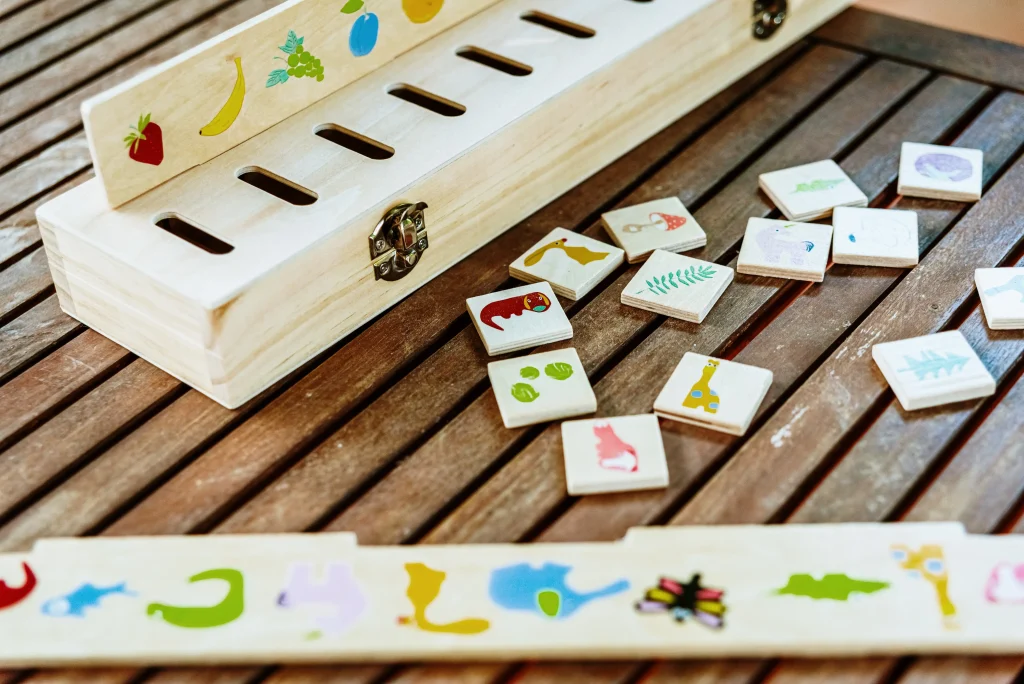
- Memory games that challenge recall, often involving matching pairs of cards, which sharpen short-term memory by encouraging active engagement.
These games engage our cognitive processes and stimulate brain activity, which is vital for improving focus and information retention. Research has shown that playing reasoning games can yield tangible benefits, including:
- Enhanced problem-solving skills: Regularly playing puzzle and strategy games trains the brain to identify patterns and devise solutions efficiently.
- Improved reaction times: Fast-paced reasoning games often demand quick thinking, which can translate into better reflexes in real-life situations.
- Stronger neural connections: Engaging in these mental exercises promotes neuroplasticity—the brain’s ability to reorganize itself by forming new neural connections.
Moreover, with the rise of mobile gaming and apps specifically designed for brain training, more individuals have access to these cognitive exercises than ever before. Games like Lumosity and Peak offer targeted brain training activities, making mental workout sessions customizable and engaging. This accessibility provides opportunities for both young and older adults to benefit from brain games.
The positive impacts of reasoning games span various demographics. For children, these games can serve an educational purpose, enhancing critical thinking skills vital for academic success. Adults often benefit from improved cognitive agility, which can aid in their professional lives. For seniors, participating in these games can help combat cognitive decline, keeping the mind sharp and active.
As we delve deeper into the effectiveness of reasoning games, it becomes clear that they are more than mere entertainment; they are powerful tools for mental enhancement. By integrating these games into daily routines, individuals can actively engage in nurturing their mental fitness, ultimately leading to a sharper, more agile mind well into old age. Whether you find yourself challenged by a Sudoku puzzle, plotting your next chess move, or racing against the clock in a memory game, each activity contributes to a more robust cognitive framework, ready to tackle the complexities of modern life.
DISCOVER MORE: Click here to learn how memory games can benefit cognitive function
The Cognitive Benefits of Reasoning Games
Reasoning games play a pivotal role in enhancing memory and concentration, serving as not just a form of entertainment, but also dynamic tools for mental development. These games require players to think critically, adapt strategies, and solve complex problems, which stimulates numerous cognitive processes. Numerous studies have indicated that engaging regularly in reasoning games can lead to lasting improvements in brain function, making them essential for people of all ages.
One of the core advantages of reasoning games is their ability to develop executive functions. These functions encompass a range of cognitive processes including planning, attention control, and cognitive flexibility. As players navigate through varied challenges, they effectively train their brains to manage multiple tasks and focus on relevant information while disregarding distractions. A well-designed game environment promotes immersive engagement, which, in turn, encourages sustained concentration over longer periods.
Understanding Memory Enhancement Through Gameplay
A critical aspect of many reasoning games is their direct impact on improving working memory, which is our ability to hold and manipulate information in our minds. For instance, in games like crosswords and logic puzzles, players must keep track of various clues and interconnecting concepts while deducing answers. This mental juggling not only promotes memory retention but also enhances the speed of information processing.
The mechanism through which reasoning games bolster memory can be summarized in the following points:
- Active Recall: Many reasoning games challenge players to recall information actively, which strengthens neural pathways associated with memory.
- Pattern Recognition: Games that require recognizing patterns foster a deeper understanding of the material, which is crucial for long-term memory.
- Repetition and Reinforcement: Engaging repeatedly in similar game mechanics reinforces memory through a practice-based approach, often yielding better performance over time.
Moreover, the social aspect of reasoning games contributes to cognitive growth. Multiplayer settings, such as in online chess matches or collaborative puzzle-solving apps, necessitate communication and teamwork. This interaction further facilitates memory enhancement as players share strategies, ideas, and insights, ultimately enriching their brain’s capability to learn and adapt.
As individuals seek to sharpen their mental faculties, leveraging reasoning games becomes an increasingly appealing option. The blend of entertainment, challenge, and cognitive training can lead to measurable improvements in memory and concentration. Additionally, the diverse range of games available today, from traditional board games to innovative mobile applications, ensures that everyone can find a suitable avenue to engage their minds effectively.
| Advantage | Description |
|---|---|
| Improved Memory Retention | Reasoning games enhance cognitive functioning, making it easier to remember information. |
| Enhanced Focus and Attention | Engaging with challenging puzzles sharpens focus, leading to remarkable concentration levels. |
Engaging in reasoning games has been shown to significantly improve memory retention. These games stimulate brain areas responsible for memory processing, thereby enhancing the ability to store and recall information effectively. Regular exposure to such mental exercises encourages neuroplasticity, which is the brain’s capability to reorganize itself by forming new neural connections.Moreover, reasoning games are exemplary tools for enhancing focus and attention. Players often immerse themselves in complex scenarios requiring thoughtful analysis and strategic planning. This active engagement not only hones concentration but also translates into real-life tasks, helping individuals become more present and mindful. By regularly challenging the brain with these types of games, users develop stronger attentional control, which is crucial in our fast-paced world filled with distractions. As you explore these games further, you may uncover a plethora of methodologies designed to boost cognitive abilities, making them a viable option for anyone looking to sharpen their mental faculties.
DISCOVER MORE: Click here to enhance your cognitive skills
Motivational Factors and Engagement in Reasoning Games
Beyond the cognitive benefits, the role of motivation in engaging with reasoning games significantly affects memory and concentration outcomes. The interactive nature of these games creates a stimulating environment that encourages players to immerse themselves. When players are stimulated and motivated, their brain’s focus intensifies, which directly correlates with enhanced cognitive retention and processing skills.
One significant aspect that enhances motivation in reasoning games is the incorporation of levels and achievements. For example, games like Sudoku and Lumosity offer tiered challenges that adapt to a player’s skill level, allowing for a rewarding experience as players advance. This structured progression not only fosters engagement but also instills a sense of accomplishment. Research indicates that the more engaged an individual is, the more likely they are to retain the information and strategies learned during gameplay.
Social Interaction and Collaborative Learning
The integration of social features in reasoning games further amplifies the cognitive advantages. Games that promote competition and collaboration, such as Catan or online trivia platforms, encourage players to communicate, share strategies, and brainstorm solutions collectively. This social dimension not only makes the learning process more enjoyable but also strengthens memory retention through shared experiences and discussions. Studies show that describing concepts to others can improve one’s understanding and recall, serving as a deeper cognitive engagement than solitary play.
Additionally, the online gaming community fosters a culture of support and strategy exchange. Players often engage in forums and discussion boards, dissecting their gameplay experiences and learning from each other. This interaction often leads to richer learning environments, as participants draw on diverse perspectives to tackle challenges. The collaborative nature of gameplay allows players to view problems from various angles, fostering enhanced cognitive flexibility, a crucial component for improving concentration and memory.
Technology and Gamification’s Role
The rise of technology has also transformed the accessibility and appeal of reasoning games. Mobile applications and online platforms provide an abundance of games that can be played anytime and anywhere. This accessibility encourages frequent engagement, which is essential for cognitive development. Innovative elements like gamification—where game mechanics are integrated into non-game contexts—can also enhance traditional learning methods. Programs that use gamified techniques, like earning points or unlocking levels, keep players motivated and focused, reinforcing their memory skills through repetitive practice and active learning.
Moreover, neuroplasticity studies highlight how these games can contribute to significant brain changes over time. Engaging in challenging reasoning games stimulates brain function, leading to the strengthening of synapses associated with memory and concentration. For instance, a study published in The Journal of Aging Research found that older adults who engaged in regular memory and strategy games exhibited improved cognitive performance compared to those who did not play. This signals that regardless of age, reasoning games are effective in cultivating mental resilience and enhanced cognitive capabilities.
By understanding the multifaceted benefits of reasoning games—including their motivational aspects and social dimensions—individuals can leverage these tools to enhance their memory and concentration effectively. The broader implications support not just personal cognitive development but also a collective enhancement of problem-solving skills across communities.
DISCOVER MORE: Click here for strategies to enhance your problem-solving skills!
Conclusion
The exploration of reasoning games reveals their significant role in enhancing both memory and concentration among individuals of all ages. By merging cognitive challenges with engaging gameplay, these games stimulate neural pathways essential for effective memory retention and focus. The elements of motivation, social interaction, and technological advancements all converge to create an enriching environment that fosters cognitive growth.
As established, the structured challenges and reward systems in games like Sudoku and Lumosity keep players invested, encouraging them to practice problem-solving skills consistently. Furthermore, features that promote collaboration and competition not only make the learning process enjoyable but also enhance cognitive engagement through shared experiences. This communal aspect is particularly vital, as it allows players to gain insights from one another, leading to a deeper understanding of concepts.
In addition, the integration of innovative technology and gamification techniques ensures that these cognitive exercises become more accessible and adaptable than ever before. The impact of neuroplasticity indicates that regularly engaging with reasoning games can lead to lasting improvements in brain function, challenging the misconception that cognitive decline is unavoidable with age.
Ultimately, the effectiveness of reasoning games extends beyond mere entertainment; they serve as tools for personal development and community engagement, helping individuals enhance their cognitive abilities while enjoying the process. As we continue to unlock the potential of these games, the pursuit of a sharper mind and improved concentration can become a shared journey, bridging gaps across demographics and fostering a culture of lifelong learning.