Mindfulness Through Jigsaw Puzzles: A Creative Approach to Stress Relief
Discovering Mindfulness in Jigsaw Puzzles
In today’s fast-paced society, where every moment seems to be filled with responsibilities and distractions, finding effective methods to unwind and reconnect with our inner selves is crucial. One unexpectedly beneficial way to achieve this is through jigsaw puzzles. Engaging in this time-honored activity not only stimulates the brain but also cultivates a sense of tranquility, leading to enhanced mental well-being.
Why should you incorporate jigsaw puzzles into your mindfulness practices? Here are some compelling reasons:
- Focus: Working on a puzzle demands sustained concentration, effectively encouraging individuals to shut out external distractions. This dedicated focus can act as a form of mindfulness meditation, as it allows your mind to become immersed in the present moment.
- Creativity: Jigsaw puzzles come in an array of designs ranging from breathtaking landscapes to intricate works of art. This variety stimulates the brain not just analytically, but also fosters creative thinking as you visualize how pieces fit together.
- Accomplishment: There’s an undeniable satisfaction that comes when you finally slot in that elusive piece or when you complete an entire puzzle. This sense of achievement can serve as a powerful motivation booster, leading to an improved self-esteem.
Research supports the notion that activities like jigsaw puzzles can significantly alleviate stress levels. Just dedicating 30 minutes to puzzle-solving can yield remarkable benefits, including:
- Lower anxiety: The concentrated focus required can redirect your thoughts away from daily stressors, significantly reducing feelings of anxiety.
- Enhance mood: Completing puzzles can help induce a meditative state, which has been linked to improved mood and emotional state.
- Boost cognitive skills: Jigsaw puzzles reinforce essential cognitive functions such as problem-solving abilities and spatial awareness, skills that are invaluable in everyday life.
Incorporating jigsaw puzzles into your regular routine could dramatically transform your approach to stress relief and mindfulness. Consider making it a weekly ritual—perhaps gather family or friends for a puzzle night. Not only does this create a shared experience that enhances your social connections, but it also provides a platform for collaborative problem-solving and shared accomplishments. Additionally, as you delve into the world of puzzles, you may even discover niche communities or local stores dedicated to puzzle enthusiasts that can further enrich your experience.
The next time life feels overwhelming, consider reaching for a jigsaw puzzle. You may find that this simple yet profound activity offers a pathway toward enhanced mental health and holistic well-being.

DISCOVER MORE: Click here to enhance your cognitive skills
The Therapeutic Effects of Puzzle-Solving
Jigsaw puzzles offer much more than just a way to pass the time—they serve as a form of therapy for individuals seeking a more mindful existence. By inviting both adults and children to engage their intellect in a fun and challenging manner, puzzles have emerged as an effective tool for managing stress levels and enhancing concentration. The merging of visual and tactile elements can lead to an immersive experience, allowing a temporary escape from the chaotic rhythms of daily life.
One standout feature of jigsaw puzzles is their capacity to promote mindfulness. When piecing together a puzzle, each moment is filled with intention. This intentional focus on the task at hand fosters a state of flow, where individuals become completely engrossed in their work. Such engagement can lead to a deep relaxation response, allowing the mind to quiet down, and providing a reprieve from incessant worrying. By concentrating on something tangible and rewarding, participants can experience a break from the mental clutter often present in modern life.
As many people turn to various forms of media for distraction, jigsaw puzzles offer a refreshing alternative that is not only fulfilling but productive. This creative approach to stress relief taps into our inherent desire for completion and mastery. Consider the following compelling advantages that highlight the benefits of integrating jigsaw puzzles into your wellness routine:
- Enhanced Focus and Concentration: Completing a jigsaw puzzle requires a level of attention that can improve overall concentration skills. As you sort through pieces and search for the right fit, your focus sharpens, which can carry over into other tasks throughout your day.
- Increased Patience and Perseverance: The nature of the puzzle-solving process teaches individuals the value of patience and the rewards of perseverance. There is a certain skill to waiting for the right moment to place that perfect piece, a lesson that resonates far beyond the puzzle table.
- Reduction in Psychological Stress: Engaging in an activity that promotes flow can significantly lower cortisol levels, which is often referred to as the “stress hormone.” Spending even a few minutes working on a puzzle can provide relief from anxiety and daily pressures.
- Problem-Solving Skills: Jigsaw puzzles are not just about fitting pieces together; they require critical thinking and problem-solving skills. As your brain navigates through spatial relationships, it develops these essential skills that can benefit both personal and professional aspects of your life.
Moreover, the tactile experience of handling puzzle pieces allows for a multisensory engagement that can stimulate different parts of the brain. The act of physically picking up, turning, and placing pieces can enhance not only motor coordination but also improve cognitive function. Once you immerse yourself in the rhythm of connecting pieces, it becomes easier to establish a meditative state—one that offers a chance to decompress and center your thoughts.
In summary, incorporating jigsaw puzzles into your daily life can serve as a unique approach to achieving mindfulness and alleviating stress. Their multifaceted benefits encourage a deeper connection to the present moment while teaching valuable life skills—transforming a simple pastime into a profound therapeutic experience.
| Advantages | Details |
|---|---|
| Enhanced Focus | Jigsaw puzzles require concentrated attention, which helps train your mind to eliminate distractions. |
| Increased Mindfulness | Engaging with puzzles promotes a state of present moment awareness, allowing individuals to fully immerse themselves in the task and reduce anxiety. |
Engaging in the art of completing jigsaw puzzles goes beyond simple entertainment; it emerges as a profound tool for mindfulness. The process of piecing together each fragment not only sharpens cognitive skills but also cultivates a serene mental state. This tactile activity encourages mind-body connection, where each placement serves as a form of meditation, allowing worries and stressors to fade into the background.Moreover, the sense of accomplishment when finishing a puzzle fosters self-efficacy and satisfaction, reinforcing a positive mindset. This unique approach to stress relief can be particularly beneficial for individuals seeking healthier coping mechanisms. The act of working with your hands while focusing on visual patterns offers an intriguing blend of art and mindfulness that captivates and calms the spirit.Incorporating jigsaw puzzles into your daily routine can serve as an effective remedy against the hustle and bustle of life, inviting peace through creation. As you explore this fascinating intersection of puzzles and mindfulness, you may stumble upon new techniques and experiences to enhance your well-being and foster creativity.
DISCOVER MORE: Click here to learn how logic games can enhance cognitive health
Embracing Community and Connection Through Puzzles
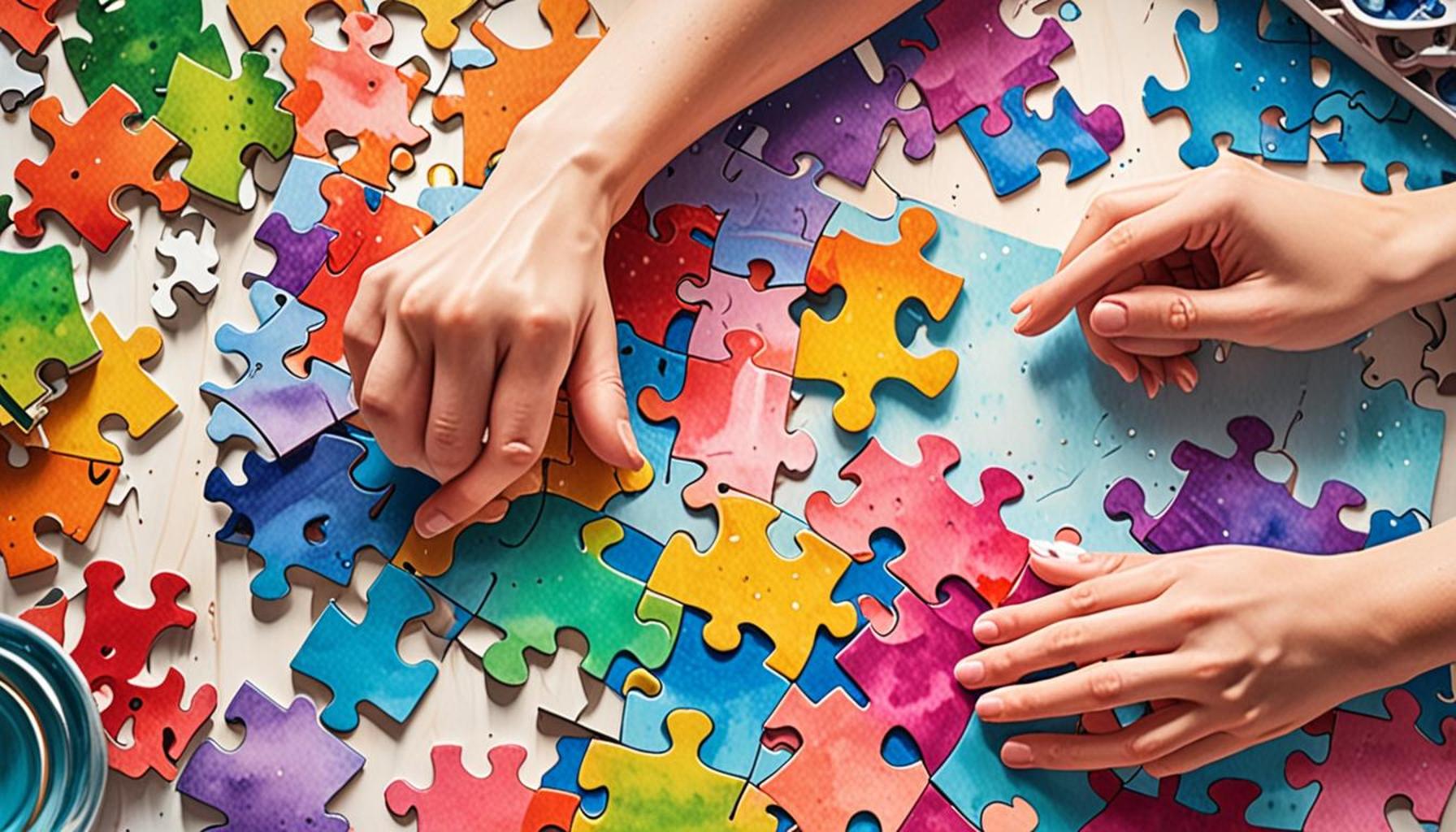
Beyond the individual benefits of jigsaw puzzles, these engaging creations can also foster a sense of community and connection, enhancing overall well-being and mindfulness. In an age where social media often dominates our interactions, the simple act of puzzling with family or friends promotes personal bonding and encourages teamwork. Whether working together on a challenging image or exchanging tips on how to find pieces, the collective effort can transform a solitary activity into a shared journey.
Group puzzle-solving allows participants to engage in meaningful conversations, creating opportunities for connection that can substantially ease feelings of isolation and anxiety. This element of collaboration often leads to laughter and shared joy when the final piece slots into place. Moreover, these social interactions have been shown to reduce stress and contribute positively to mental health. According to a study published in the Journal of Social and Clinical Psychology, having a solid support system can significantly alleviate feelings of loneliness and promote emotional resilience.
The potential for community extends even further with the rise of puzzle-themed events and clubs where enthusiasts can gather to share their passion. Puzzles can serve as a common ground for individuals of diverse backgrounds, fostering inclusivity in social settings. For instance, numerous communities across the United States organize puzzle parties, where participants work together to complete large puzzles. These gatherings not only promote mindfulness through the act of puzzling but also create an environment of support and friendship.
Moreover, the popularity of virtual puzzle-solving platforms has surged, particularly during the pandemic when in-person socializing was limited. Websites and applications dedicated to jigsaw puzzles allow users to connect and collaborate with friends and family remotely, maintaining social ties regardless of geographic distance. This digital adaptation fosters mindfulness as individuals still immerse themselves in the meditative process of piecing puzzles together while engaging in light-hearted banter.
It’s important to note that the benefits do not stop at stress relief. Engaging in group puzzle-solving can increase emotional intelligence by fostering empathy and cooperation. Research published in the Journal of Positive Psychology shows that collaboration not only enhances critical thinking but also encourages individuals to appreciate different perspectives. When working alongside others, puzzlers must learn to navigate differing opinions and complex dynamics, refining their emotional communication skills in the process.
In addition to enhancing social bonds, participating in puzzle-assembly has been found to stimulate creativity. The vibrant imagery often depicted in puzzles—ranging from scenic landscapes to abstract designs—can evoke emotional responses while inspiring attendees to share their own creative pursuits. Thus, puzzles become more than mere components; they act as catalysts for deeper conversations about art, culture, and personal experiences.
- Enhanced Social Skills: Collaborative puzzle-solving promotes essential interpersonal skills such as communication, cooperation, and adaptability.
- Reduced Feelings of Isolation: Working on puzzles with others helps to mitigate feelings of loneliness, providing participants with a sense of belonging.
- Increased Emotional Resilience: Navigating group dynamics enhances emotional intelligence, ultimately contributing to improved mental health.
- Boosted Creativity: Engaging with diverse images encourages participants to share artistic ideas, inspiring creativity beyond the puzzle itself.
As we explore the multifaceted benefits of mindfulness through jigsaw puzzles, it becomes clear that these experiences extend far beyond individual fulfillment. They present a unique opportunity to nurture human connections while reinforcing mental well-being—transforming stress relief into a collaborative and enriching journey.
DISCOVER MORE: Click here to learn about the benefits of digital memory games
Final Thoughts on Mindfulness Through Jigsaw Puzzles
As we peel back the layers of how jigsaw puzzles enhance mindfulness and promote stress relief, it becomes evident that these engaging activities offer more than just a temporary escape. They serve as a powerful tool for both individual growth and community connection. The act of carefully piecing together vivid images encourages a fostering of concentration and presence, allowing practitioners to immerse themselves in a state of flow, which is essential for mitigating stress.
Moreover, the collaborative nature of puzzle-solving cultivates a sense of belonging and emotional support, inviting participants to engage in enriching dialogues while sharing moments of joy. This social bonding not only eases feelings of isolation but also enhances important interpersonal skills, paving the way for deeper relationships. Whether it’s through local puzzle parties or virtual platforms, the opportunities for connection are limitless in an ever-evolving world.
Additionally, the rich tapestry of creativity that jigsaw puzzles inspire opens doors to further exploration in art and personal expression, making them a catalyst for conversations that transcend the act itself. Engaging with diverse images allows individuals to tap into emotional depths and unleash new creative potential.
Ultimately, the journey into mindfulness through jigsaw puzzles is a multifaceted experience that nurtures mental well-being while also threading the fabric of community. Embracing this creative approach not only enhances individual resilience but fosters a collective spirit poised for growth. As we continue to explore these meaningful connections, consider picking up a puzzle and embarking on this mindful journey—experience for yourself the profound benefits it has to offer.