How Memory Games Can Improve Cognitive Function Across Different Age Groups
The Cognitive Benefits of Memory Games
Memory games offer a fascinating blend of entertainment and mental exercise, making them immensely valuable for people of all ages. These activities not only entertain but also act as vital tools for enhancing cognitive functions, such as memory recall, problem-solving, and attention span. Neuroscience has increasingly focused on how these games can be utilized to improve mental agility and preserve cognitive health.
Research indicates several significant benefits associated with regular engagement in memory games. For example, improved problem-solving skills are a direct byproduct of these games. Participants often have to navigate unfamiliar scenarios, plan several moves ahead, and devise strategies to overcome challenges, mirroring real-life situations that require critical thinking.
Another essential advantage is the increased attention span observed in individuals who play these games consistently. As players focus on remembering details or patterns, their ability to concentrate improves significantly. This heightened focus is particularly beneficial for children, as studies suggest that early practice in memory games can lead to better academic performance and an enhanced ability to absorb information.
Additionally, engaging in memory exercises leads to enhanced memory recall. Research has shown that repeated exposure to information helps solidify it in long-term memory. For example, games like Concentration or matching card games challenge players to remember the locations of different cards, actively stimulating their memory circuits and reinforcing neural connections.
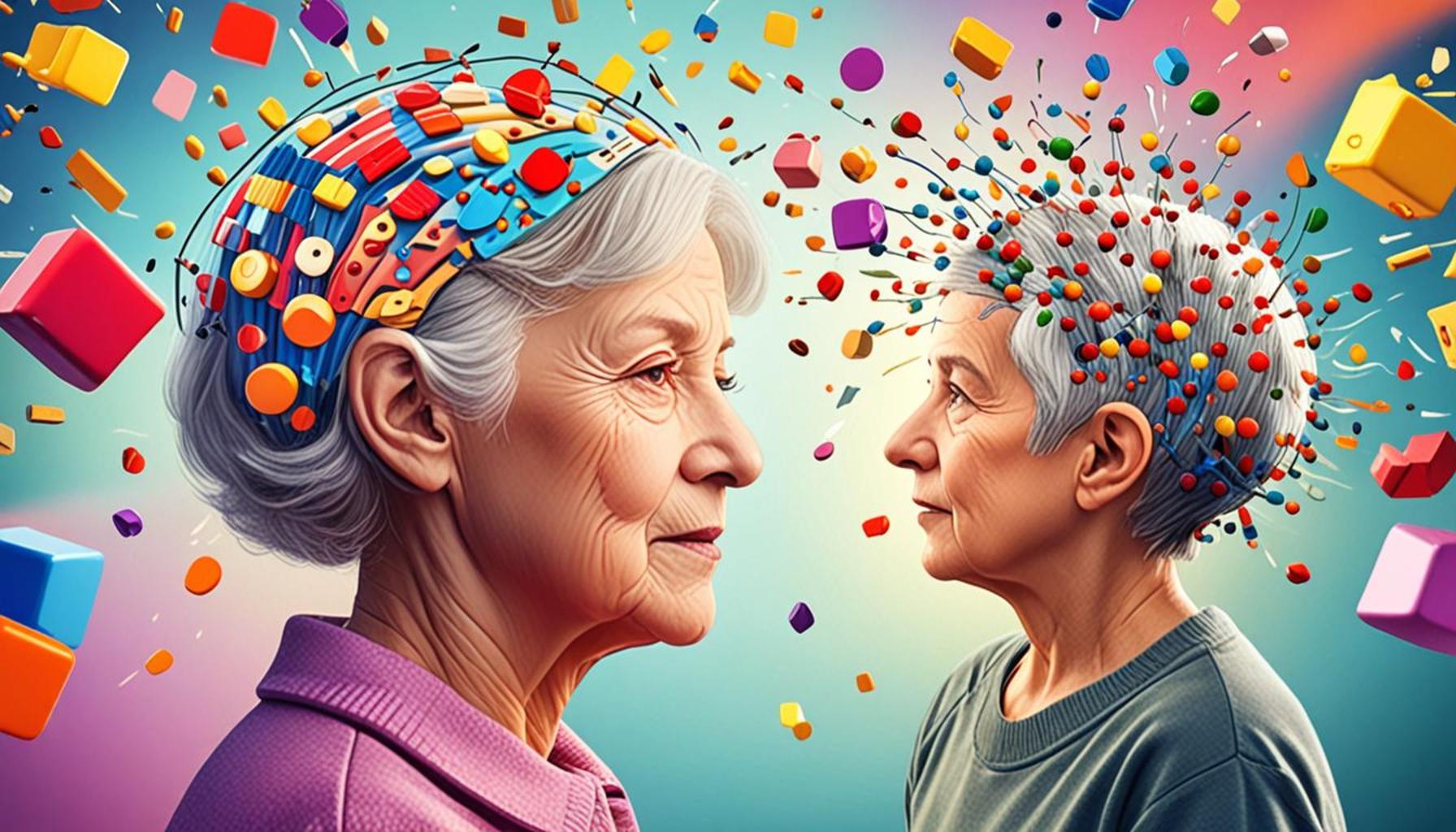
There’s compelling evidence supporting that regular participation in memory games contributes to cognitive longevity. For instance, older adults who regularly engage in such activities demonstrate a slower rate of cognitive decline compared to their peers. Studies published in journals such as the “Journal of Neuroscience” articulate this connection, revealing that memory training can lead to measurable improvements in various areas of cognitive function.

Younger generations also stand to benefit significantly from these activities. Incorporating memory games into children’s routines not only aids in reinforcing learning concepts but also contributes to the development of social skills and emotional intelligence. Group activities that involve memory games can foster teamwork and communication among peers, essential skills that extend beyond the classroom.
As we explore the impact of memory games across different age groups, it becomes apparent that these playful brain boosters hold the key to unlocking not only cognitive improvement but also social interaction and emotional growth. Delving into specific case studies and personal accounts will enrich our understanding of how these games can be strategically integrated into daily life to enhance overall mental wellness.
DISCOVER MORE: Click here to learn about the psychology behind brain teasers
The Impact of Memory Games on Cognitive Development in Children
Memory games play a crucial role in the cognitive development of children, serving as a fun and effective means to enhance their mental skills. During the formative years, children’s brains are incredibly adaptable and receptive, making them prime candidates for improvement through cognitive activities. Engaging in memory games helps strengthen neural pathways, laying a foundation for higher-level thinking skills essential throughout their educational journey.
One of the most significant advantages of memory games for children is their ability to promote visual and auditory skills. Games such as matching cards require participants to remember specific details and associate them with visual cues, in turn enhancing their ability to process information visual and auditory channels. This enhanced processing often translates into improved reception of information in classroom settings, where utilizing both modalities plays a significant role in learning.
Moreover, these games can serve to unite children both socially and emotionally. When children play memory games in group settings, they learn critical collaborative skills. Working together encourages communication, patience, and mutual respect, which are vital soft skills that will benefit them well into adulthood. Through these interactions, children also experience the importance of both winning and losing, fostering emotional resilience and empathy.
Research indicates that these cognitive benefits are not limited to easy games. In fact, a study published in the “Journal of Child Psychology and Psychiatry” found that children who frequently engage in complex memory tasks display enhanced cognitive flexibility and adaptability when faced with new challenges. The skills developed through these games can lead to better problem-solving abilities, making children more adept at navigating academic pressures and social dynamics.
Memory Games for Adolescents: Building Critical Thinking Abilities
As children transition into adolescence, memory games can further contribute to their cognitive growth by fine-tuning their critical thinking abilities. Teenagers face increasingly complex academic requirements, and memory skills become increasingly relevant. Games involving strategy and quick thinking, such as Sudoku or trivia quizzes, challenge adolescents to engage in deeper levels of reasoning while reinforcing their memory.
The impact of memory games on adolescents can also extend to aspects of mental health. In a time rife with social pressures and academic demands, memory games provide a necessary mental break while simultaneously honing crucial cognitive skills. By engaging in mentally stimulating activities, teenagers can combat stress and anxiety, leading to an overall improved sense of well-being.
Memory Games for Adults: Sustaining Cognitive Health
The advantages of memory games do not dwindle after adolescence; they remain invaluable throughout adulthood. For professionals facing the demanding pressures of modern work environments, memory games provide an excellent outlet for maintaining cognitive wellness. The fast-paced nature of everyday life often impacts memory retention, but incorporating memory exercises can help counteract this phenomenon.
- Enhanced focus: Adults engaged in memory games often report a significant increase in their ability to concentrate on work tasks.
- Memory sharpening: Regular play can lead to improved recall of important information, which is beneficial in both personal and professional realms.
- Cognitive Longevity: Research suggests that adults who consistently engage in memory games experience a slower rate of cognitive decline as they age.
In essence, memory games provide a multifaceted approach to enhancing cognitive function across different age groups, proving to be an effective tool for fostering memory improvement, critical thinking, and emotional intelligence.
| Age Group | Cognitive Benefits |
|---|---|
| Children | Enhanced Concentration and memory retention through fun and engaging activities. |
| Adults | Improved Problem-Solving Skills and quicker information processing, essential in today’s fast-paced world. |
| Seniors | Boosted Memory and potentially reduced risk of cognitive decline through regular brain exercises. |
Memory games serve a critical role in enhancing cognitive functions across various age groups. For children, interactive memory games can significantly improve concentration and retention abilities. These games introduce engaging methods to grasp information, establishing a solid foundation for learning in their formative years. Adults, on the other hand, benefit from memory exercises that enhance problem-solving skills and promote faster information processing. As demands for multitasking increase, such games become increasingly valuable in maintaining a sharp mind.Seniors can particularly reap the rewards of memory games as they can potentially reduce the risk of cognitive decline. Regular brain exercises aim to boost memory and keep the mind active, encouraging a more vibrant and engaged lifestyle. Exploring these benefits further can unveil the hidden potential of memory games in nurturing cognitive health throughout life.
DIVE DEEPER: Click here to enhance your memory with fun word games and puzzles
The Benefits of Memory Games for Older Adults: A Path to Cognitive Resilience
As individuals age, the importance of maintaining cognitive function becomes increasingly critical. Memory games have emerged as a practical tool in promoting brain health and combating age-related cognitive decline. Engaging in memory games, which can range from simple card-matching exercises to complex memory recall tasks, provides older adults with a proactive means to preserve and even enhance their cognitive abilities.
One of the fascinating aspects of memory games for older adults is their potential to foster neuroplasticity, the brain’s ability to reorganize and form new connections. Recent studies have shown that mentally stimulating activities can significantly influence the brain’s structure and function. A study published in the “Journal of Neuroscience” highlighted that participants aged 65 and older who regularly engaged in memory exercises exhibited improvements in brain connectivity, which is essential for maintaining cognitive flexibility and sharpness.
- Social Interaction: Memory games can also create opportunities for social engagement, which is vital for maintaining emotional well-being and cognitive health as one ages. Group activities, such as memory-based board games or online trivia contests, can strengthen social bonds while enhancing cognitive functions.
- Discovering New Strategies: Older adults often find enjoyment in learning new strategies within memory games, whether playing alone or with others. This kind of engagement keeps the mind agile and may mitigate feelings of stubbornness towards adapting to new technology and techniques.
- Routine Mental Exercise: By incorporating memory games into their daily routine, older adults can establish a consistent mental exercise regimen, much like physical exercise promotes physical health. The repetitive practice of memory tasks bolsters recall abilities and enhances day-to-day memory performance.
Memory Games in Clinical Settings: A Tool for Cognitive Rehabilitation
Interestingly, memory games have found their way into clinical settings as well, particularly for those undergoing cognitive rehabilitation. For patients recovering from strokes, traumatic brain injuries, or cognitive impairments due to conditions like Alzheimer’s, memory games can serve as effective therapeutic tools. Such applications highlight the versatile nature of memory exercises, demonstrating their effectiveness across diverse populations.
In therapy sessions, practitioners often incorporate memory games tailored to the specific cognitive challenges faced by individuals. This personalized approach not only fosters engagement but also provides tangible goals for improvement. Game formats that integrate personalization keep therapy interesting, rekindling motivation in patients who may feel discouraged by their cognitive struggles.
Family Involvement: Bridging Generations Through Memory Games
Memory games can also serve as a bridge across generations, encouraging family members, including grandchildren, to participate in shared gaming experiences. This intergenerational approach can unite families, fostering meaningful connections while simultaneously allowing older adults to share their knowledge and experiences. The active exchange of stories and strategies during gameplay becomes a powerful method for reinforcing social ties and cognitive engagement.
Moreover, this aspect of memory games provides a platform for education and memory-sharing between generations, allowing younger individuals to gain insight into familial history while older adults reminisce, invigorating their cognitive capabilities.
Ultimately, whether for children developing foundational cognitive skills, adolescents honing their critical thinking, or older adults sustaining cognitive health, memory games emerge as universal tools capable of enhancing cognitive function across all age groups. These engaging exercises not only promote memory improvement but also foster connections among players, paving the way for shared experiences and lifelong learning.
DISCOVER MORE: Click here to learn about the benefits
Conclusion: Unlocking Cognitive Potential Through Memory Games
In a world where cognitive decline poses a significant challenge across all age groups, memory games have emerged as an engaging solution that transcends generational boundaries. The evidence presented emphasizes their integral role as cognitive enhancers—from young children building foundational skills to older adults striving to maintain their cognitive resilience. As we navigate the complexities of our daily lives, incorporating memory games into our routines can offer more than just a fun pastime; it serves as a proactive, brain-boosting strategy.
Through regular participation, players can foster neuroplasticity, enhancing brain connectivity and improving overall cognitive function. For older adults, memory games not only combat age-related decline but also promote social interaction, bridging the gap with younger generations. Families are presented with unique opportunities to bond and exchange stories, enriching both cognitive engagement and emotional well-being.
As we continue to explore innovative methods to enhance mental capabilities, research supports the growing significance of these games in everyday life and clinical scenarios alike. They are versatile, adaptable, and effective tools for cognitive rehabilitation, helping individuals regain lost skills and providing motivation towards recovery.
In summary, the balance between enjoyment and cognitive enhancement is skillfully struck through memory games. By making them a common thread in our lives, we not only contribute to the maintenance and growth of cognitive function across all ages but also generate connections that foster lasting relationships and lifelong learning. Unlocking cognitive potential is a journey we can embark upon together—one memory game at a time.