Boost Problem Solving Skills with Puzzles Strategies Benefits
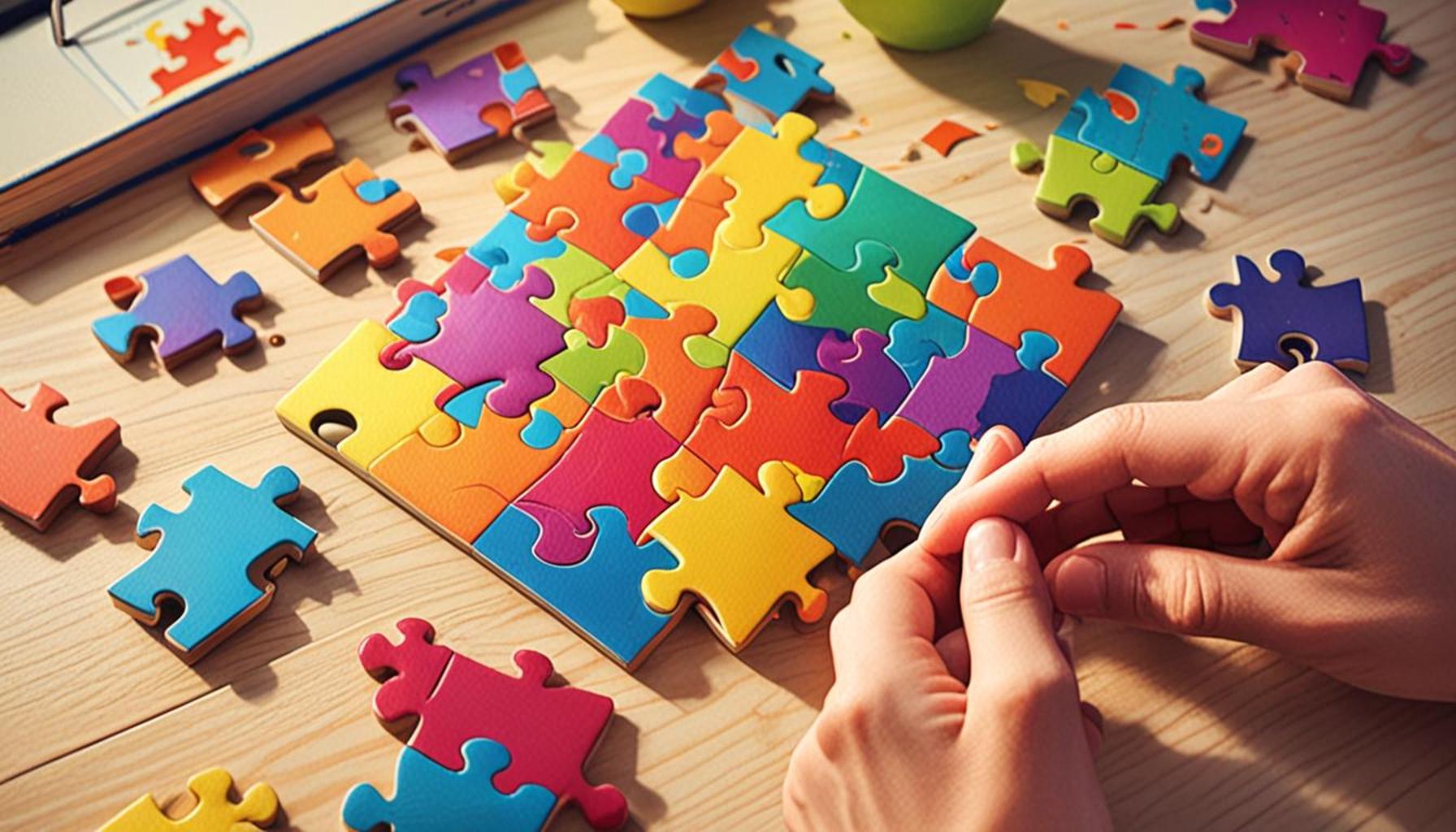
In today’s fast-paced world, the ability to solve problems efficiently is more crucial than ever. Engaging with mind games and puzzles is one of the most effective ways to enhance these skills. Not only do they provide entertainment, but they also challenge our brains and improve critical thinking.
By tackling a variety of puzzles, individuals can unlock strategies that lead to better problem-solving abilities. These activities promote cognitive flexibility, boost memory, and develop persistence. Here are some reasons why immersing yourself in puzzles can be advantageous:
- Enhances critical thinking: Engaging in puzzles helps hone analytical skills.
- Boosts memory: Regularly attempting different puzzles can strengthen memory retention.
- Encourages creativity: Finding multiple ways to solve puzzles fosters innovative thinking.
- Builds perseverance: Facing challenges and completing them instills a sense of accomplishment.
As we prepare to delve deeper into this enriching topic, let’s explore the Top 5 puzzles that could significantly enhance your problem-solving capabilities. Each of these selections provides unique challenges and benefits that can transform your cognitive abilities.
DIVE DEEPER: Click here for expert strategies
Top 5 Strategies and Benefits for Developing Problem-Solving Skills through Puzzles
Puzzles are not just pastimes; they are profound tools for mental development. From improving concentration to fostering comprehensive problem-solving abilities, puzzles offer a multitude of benefits that can be translated into real-world skills. As we delve deeper into the significance of puzzles, here are five key aspects, ranked from least to most impactful, that illustrate their role in enhancing problem-solving skills.
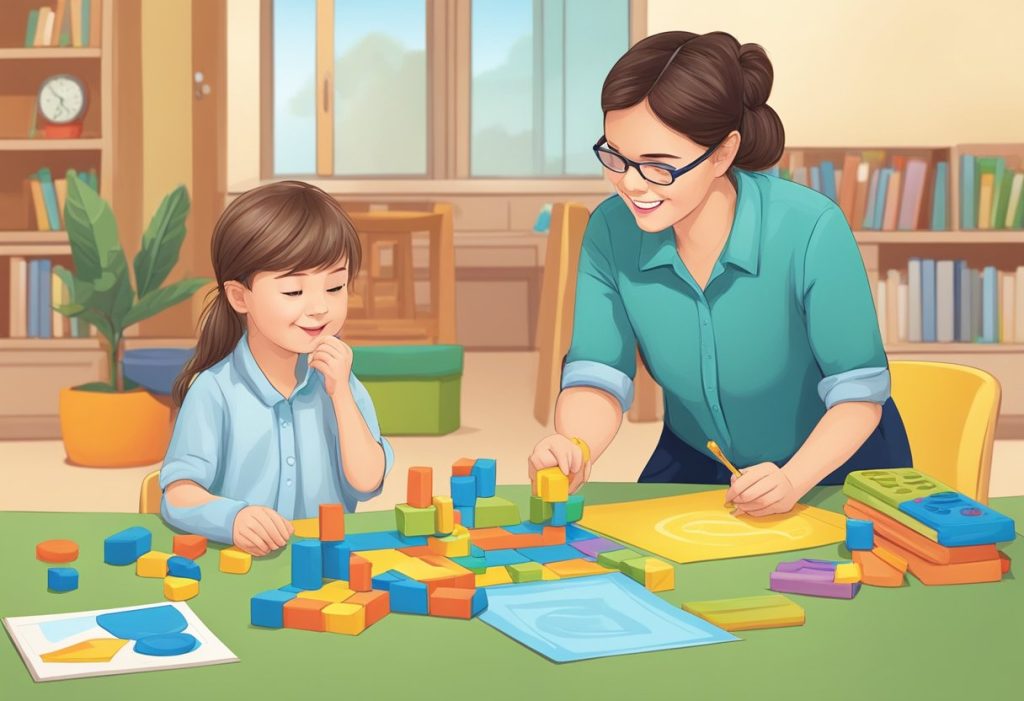
5. Enhanced Concentration and Focus
One of the primary benefits of engaging with puzzles is the improvement in concentration and focus. When you tackle a complex puzzle, your mind must concentrate intensely, sifting through potential solutions methodically. This ability to focus undividedly carries over into daily situations, creating a foundation for improved academic performance and workforce productivity.
When solving puzzles, distractions are a luxury one cannot afford. A strategic focus is necessary to piece together a jigsaw or crack a challenging Sudoku. This practice conditions your mind to dismiss peripheral thoughts and hone in on a task, which is especially beneficial in a world filled with constant stimuli. Some effective strategies include:
- Setting a timer: This creates a sense of constraint, teaching focus and time management.
- Choosing an optimal environment: A quiet, comfortable space free from interruptions can significantly enhance productivity.
- Gradual complexity: Progressing from simple to complex puzzles keeps the brain engaged and progressively builds focus.
For instance, many find that setting aside 15 minutes daily for puzzle-solving can render them more attentive in meetings or during studies, having trained their minds to concentrate better over these short bursts.
4. Boosting Creativity and Innovation
Puzzles often require thinking outside the box, which makes them ideal for fostering creativity and innovation. When faced with unique challenges, individuals must develop new strategies, often stimulating parts of the brain responsible for creative thought.
Creative problem solving is invaluable in various settings, from artistic endeavors to business negotiations. The ability to entertain multiple perspectives and generate innovative solutions can offer significant advantages. Puzzles play a crucial role in this developmental process. Consider the following ways to stimulate creativity:
- Explore various puzzle types: Each type challenges the brain differently, broadening creative thought pathways.
- Work in pairs or groups: Collaboration encourages a blend of ideas, fostering new approaches to problems.
- Reflect on previous puzzles: Identifying alternative solutions can pave the way for innovative thinking strategies.
For example, engaging regularly in logic puzzles or brainteasers can encourage lateral thinking, a skill highly prized in rapidly evolving industries such as technology and design.
3. Critical Thinking Development
While creativity is crucial, the ability to apply critical thinking is what translates ideas into actionable solutions. Through puzzles, individuals learn to analyze, reason, and evaluate various approaches critically.
Every time a new puzzle is attempted, it demands a logical assessment of available clues and potential solutions. Whether it is finding the next piece in a jigsaw or solving a mathematical conundrum, this process sharpens critical thinking skills. To further develop these abilities, employ the following tactics:
- Documenting thought processes: Keeping a puzzle journal can help visualize problem-solving pathways.
- Debating solutions: Engaging in discussions can reveal new insights and expose errors in logic.
- Breaking down problems: Decomposing complex puzzles into smaller sections can help in systematic analysis.
Such skills are indispensable, not just academically but professionally, particularly in fields requiring detailed analysis such as engineering and scientific research.
2. Strengthening Memory and Recall
Many puzzles, such as memory games and sequence challenges, are designed to bolster memory and recall abilities. The act of remembering sequences, patterns, or pieces nurtures the brain’s ability to store and retrieve information efficiently.
The failure to retain key details can stall progress, making regular practice essential for strengthening this “memory muscle.” The strategies below can ensure memory improvement through puzzles:
- Repetition: Solving similar puzzles repeatedly can boost retention.
- Visualization: Creating mental images aids in linking different pieces or steps logically.
- Association: Tying new information to familiar concepts strengthens neural connections.
Enhanced memory can have far-reaching benefits, from improved academic performance to a greater ability to learn new skills quickly in personal and professional settings.
1. Comprehensive Problem-Solving Skills Development
At the zenith of puzzle-related benefits lies the comprehensive development of problem-solving skills. Regular interaction with a variety of puzzles trains the brain to approach challenges systematically and creatively, instilling confidence in one’s abilities.
The broad array of skills developed includes analytical thinking, decision-making, perseverance, and resourcefulness. This holistic approach to problem-solving is essential for successfully navigating complex scenarios. To take full advantage of these benefits, consider:
- Regularly challenge yourself: Engaging with diverse puzzles nurtures mental flexibility and adaptability.
- Create personal benchmarks: Tracking progress can motivate continued improvement.
- Incorporate collaboration: Team-based puzzle solving can yield collective insights, enhancing the learning experience.
Puzzles fundamentally cultivate an environment conducive to lifelong learning and problem-solving. By integrating these activities into daily life, individuals not only entertain themselves but also fortify vital cognitive skills transferable across life’s myriad challenges.
| Category | Details |
|---|---|
| Cognitive Development | Engaging with puzzles enhances critical thinking, boosting problem-solving skills necessary for real-life scenarios. |
| Team Collaboration | Solving puzzles in groups encourages teamwork and communication, key skills for effective group dynamics. |
| Emotional Resilience | Facing challenges presented by puzzles instills a growth mindset, fostering resilience and adaptability in overcoming difficulties. |
| Creativity and Innovation | Puzzles stimulate creative thinking, pushing individuals to explore new approaches and solutions beyond conventional methods. |
The article delves deeper into how puzzles serve as a cornerstone for fostering unique skill sets that are increasingly vital in various life facets. Connecting with peers through puzzle-solving can unveil the importance of social interaction. Team dynamics are often honed as individuals learn to navigate different perspectives and approaches. Notably, team collaboration through puzzle activities can lead to breakthroughs in communication styles, ultimately translating into more productive teamwork in professional settings.Furthermore, engaging with complex puzzles can greatly contribute to emotional resilience. By regularly tackling challenging puzzles, individuals learn to manage frustration and develop a mindset that views setbacks as opportunities for growth. This resilience is crucial not only in academic routes but also in life’s unpredictable nature.Lastly, puzzles can serve as a launching pad for creativity and innovation. By confronting unique problems, individuals are encouraged to push boundaries and think outside traditional frameworks. Such skills can be particularly beneficial in creative industries where novelty and inventive solutions are prized.These critical areas highlight the multifaceted benefits that puzzles offer beyond mere entertainment, enriching cognitive, emotional, and social dimensions of personal development. Through structured play, individuals cultivate invaluable skills that position them better for future challenges.
DIVE DEEPER: Click here to discover how strategy games can boost your decision-making skills
Frequently Asked Questions on Problem-Solving Skills with Puzzles
How do puzzles contribute to the development of problem-solving skills?
Puzzles require the solver to engage in strategic thinking, pattern recognition, and the analysis of various possibilities. These activities stimulate cognitive development and enhance critical thinking abilities. By consistently practicing with puzzles, individuals can hone their ability to deconstruct complex problems and develop strategies to solve them efficiently.
What are some strategies for effectively solving puzzles?
Successful puzzle-solving often involves breaking down the problem into smaller, more manageable parts. For instance, identifying the corners and edges in a jigsaw puzzle can provide a useful framework for completing the assembly. Additionally, maintaining a methodical approach, such as sorting pieces by color or pattern, can significantly enhance one’s ability to solve puzzles methodically and efficiently.
Can children benefit from engaging with puzzles, and if so, how?
Absolutely! Engaging with puzzles can greatly benefit children by helping them develop important skills, such as spatial awareness, concentration, and fine motor skills. Moreover, the process of solving puzzles encourages young minds to think critically and creatively, paving the way for improved problem-solving abilities and cognitive development as they grow.
Are there specific types of puzzles that are better for improving problem-solving skills?
While a variety of puzzles can aid in developing problem-solving skills, certain types tend to be more effective. Strategy-based puzzles such as Sudoku, chess puzzles, and logic games are particularly beneficial as they require intense focus and sequential thinking. These puzzles encourage players to evaluate potential outcomes and make decisions based on analysis, which is a crucial aspect of problem-solving.
What cognitive benefits can adults gain from solving puzzles?
Adults can experience multiple cognitive benefits from regularly engaging with puzzles. Enhanced memory retention, improved concentration, and a decrease in the decline of mental faculties associated with aging are among the most noted benefits. Moreover, solving puzzles can serve as a meditative practice, reducing stress and fostering a sense of accomplishment and satisfaction. This mental stimulation can contribute to an overall better quality of life.
DIVE DEEPER: Click here to discover fun cognitive test games
Conclusion
The exploration of problem-solving skills through puzzles offers a profound and engaging route to mental enhancement. Throughout this article, we have delved into the multifaceted benefits and strategies associated with integrating puzzles into daily routines. These mind games are not only entertaining but also serve as a catalyst for sharpening critical thinking, enhancing cognitive flexibility, and fostering creativity. By embracing puzzles, individuals can improve their ability to tackle complex problems in various aspects of life.
To recap, we identified key strategies for effective puzzle engagement: approaching puzzles with an open and curious mind, breaking down complex problems into manageable parts, recognizing patterns, and persisting through challenges with patience and resilience. These strategies are instrumental in transforming how one perceives and solves problems, making them valuable tools for personal and professional growth.
The benefits extend beyond immediate problem-solving skills. Regular engagement with puzzles can lead to significant improvements in memory, concentration, and overall mental agility. Such cognitive exercises promote long-term brain health, potentially delaying cognitive decline associated with aging.
In conclusion, the integration of puzzles into daily life is not just a pastime but a strategic approach to mental fortification. Whether used as a tool for relaxation or a structured method of skill development, the advantages are compelling. As we continue to explore ways to enhance our mental capabilities, puzzles stand out as a practical and enjoyable option. For those seeking to enrich their problem-solving repertoire and boost cognitive health, embracing the world of puzzles is indeed a wise choice, offering lifelong benefits.
The intrigue of puzzles calls for a deeper exploration of their potential impact on our lives, encouraging us to step into a realm where each solved puzzle reveals a new facet of our intellectual prowess.