How Puzzles Help Reduce Stress and Boost Mental Health
The Therapeutic Power of Puzzles
Engaging the mind through puzzles is more than just an enjoyable pastime; it serves as a valuable tool for enhancing overall well-being. Research indicates that solving puzzles can lead to reduced stress levels and improved cognitive function, making them an essential component in the realm of mental health. As our lives grow increasingly hectic, finding effective stress-relief methods becomes paramount.
Understanding the Benefits
Mind games and puzzles stimulate both creativity and critical thinking, offering numerous benefits such as:
- Improved concentration as you focus on solving challenges.
- Increased mindfulness, which helps ground you in the present moment.
- Enhanced problem-solving skills that can transfer to real-life situations.
This article will explore the fascinating connection between puzzles and mental well-being, ultimately leading to a curated list of the Top 5 puzzles known for their stress-relieving properties. Prepare to discover why integrating puzzles into your routine could be a game-changer for your mental health journey.
DIVE DEEPER: Click here to discover more strategies
Top 5: How Puzzles Help Reduce Stress and Improve Mental Health
Puzzles and brain games are not just about piecing together jigsaw pieces or deciphering numbers in a Sudoku grid; they’re a gateway to enhancing mental well-being. In our fast-paced lives, stress has become a ubiquitous companion, lurking in the shadows of our daily routine. However, puzzles offer an escape, ushering in a plethora of benefits for mental health. Let’s dive deeper into the top 5 ways these engaging activities help relieve stress and promote overall well-being.
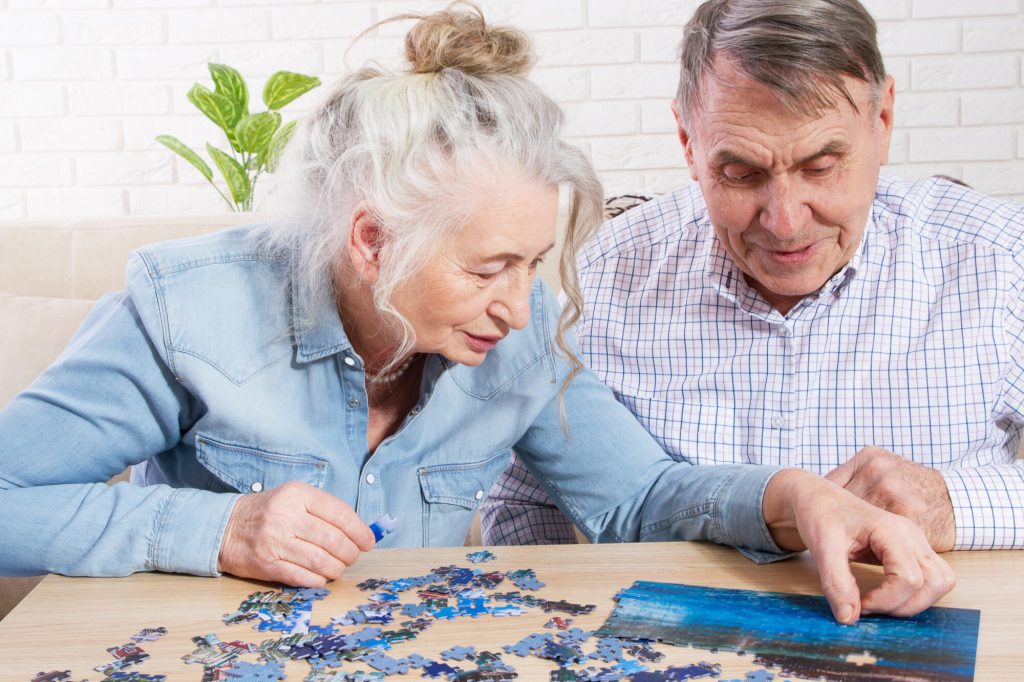
5. Enhanced Focus and Concentration
When you immerse yourself in a puzzle, the world fades away. This magical state is often referred to as “flow,” where distractions cease to exist, and you are fully engaged in the task at hand. Puzzles demand a high level of concentration, which naturally removes focus from stress-inducing thoughts and worries. This ability to concentrate brings about a state of mental clarity.
The effects of this sustained concentration can extend beyond the realm of puzzles. Consider a student struggling to focus on schoolwork or an employee overwhelmed with a busy schedule. By regularly engaging with puzzles, they can sharpen their attention span, which translates to improved performance in academic or work environments. Over time, this ability to focus reduces stress, as individuals become more proficient at handling tasks efficiently without succumbing to the chaos of modern life.
4. Sense of Accomplishment
The joy of placing the final piece of a 1,000-piece jigsaw puzzle or completing a challenging crossword is unparalleled. This act of solving puzzles triggers the release of dopamine, a neurotransmitter responsible for feelings of pleasure and reward. This biochemical response fosters a sense of achievement that counters stress and anxiety.
This boost in self-esteem from even small victories is invaluable in facing life’s challenges. The completion of a puzzle acts as a microcosm of life’s challenges, instilling the confidence to tackle bigger problems. For instance, a person who frequently enjoys puzzle-solving tends to approach life with a problem-solving mindset, resiliently confronting obstacles head-on, rather like transforming the complexities of life into manageable parts.
3. Social Connections Through Puzzles
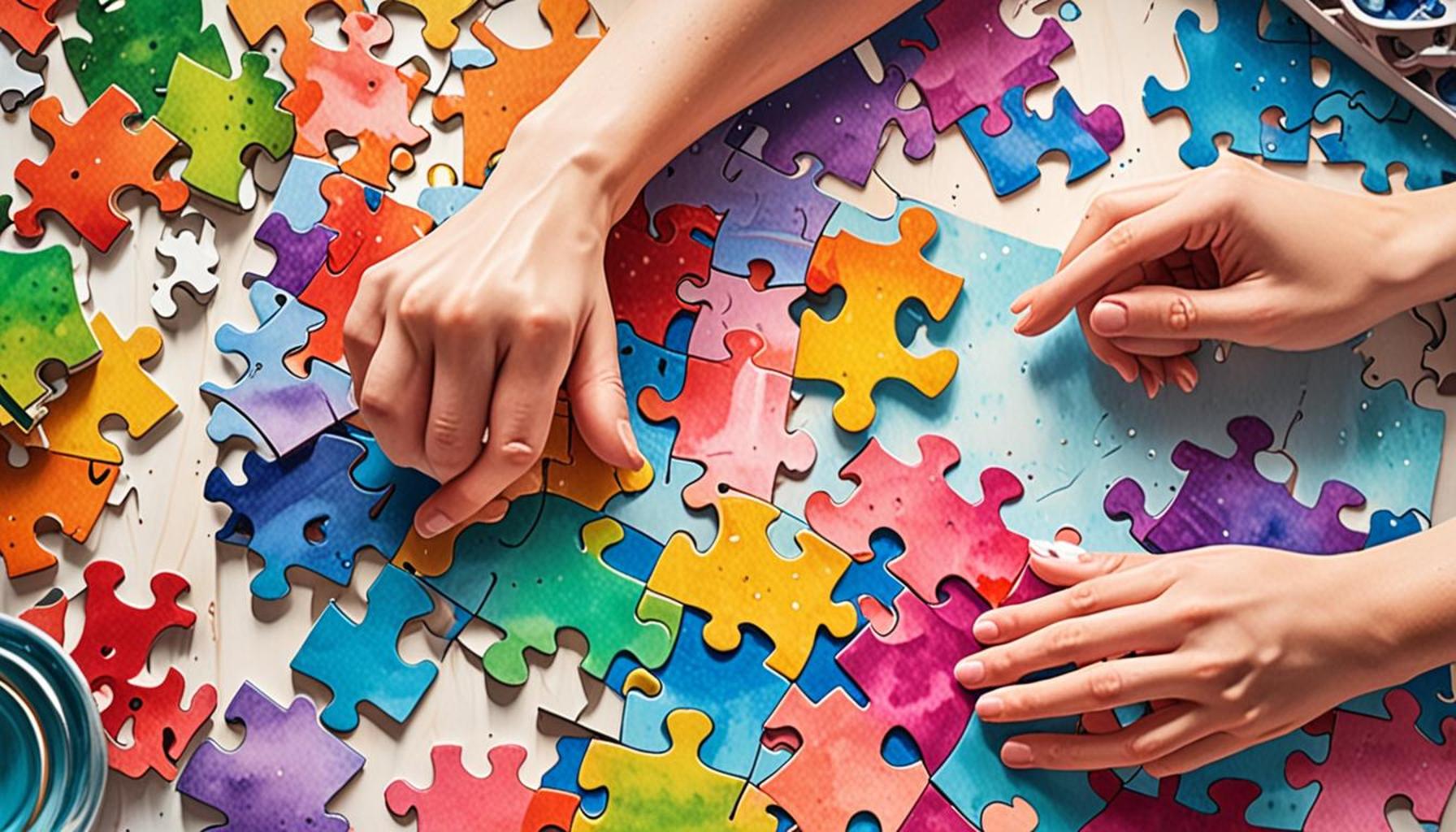
While puzzles often conjure images of solitary contemplation, they can indeed be social activities that bridge gaps and bring people together. Imagine a bustling room filled with enthusiasts uniting for a puzzle competition or a family congregating around a table for a weekend jigsaw session. Such interactions foster connections that are crucial for mental health.
Engaging in puzzles socially offers more than camaraderie. Social interaction is a known antidote to stress, providing not only emotional support but also helping to alleviate feelings of isolation and anxiety. Research highlights that communities formed around shared interests are often more resilient. Here’s how to foster these connections through puzzles:
- Join a local puzzle club or group: This platform allows individuals to share tips, discuss strategies, and celebrate achievements.
- Participate in online puzzle challenges: Online forums and communities offer a vast space to connect with fellow enthusiasts worldwide.
- Host puzzle nights with friends and family: These gatherings are an excellent opportunity for bonding and enjoyment.
2. Cognitive Benefits and Neuroplasticity
Beyond being mere entertainment, puzzles play a significant role in enhancing cognitive abilities. They engage various parts of the brain, actively encouraging the development of neuroplasticity—the brain’s remarkable ability to reorganize itself by forming new neural connections throughout life. This ongoing mental stimulation is akin to a workout for the mind, maintaining cognitive fitness.
Puzzles sharpen problem-solving skills, enhance memory, and foster critical thinking. These cognitive benefits are part of why puzzles are used as preventive measures against cognitive decline, especially in older adults. For example, a study published in the journal Frontiers in Aging Neuroscience revealed that regular engagement with mentally stimulating activities significantly reduced the risk of Alzheimer’s disease. By exercising the mind through puzzles, we fortify ourselves against cognitive challenges, enhancing our agility to navigate daily stresses.
1. Mindfulness and Relaxation
At the pinnacle of our list is the ability of puzzles to promote mindfulness and relaxation. Much like a meditation session, engaging with a puzzle anchors individuals in the present moment, diverting the mind’s attention to the task at hand, away from past regrets or future anxieties.
Puzzle-solving necessitates a serene and calm approach, encouraging practitioners to slow down and appreciate the journey rather than just the destination. This moment-to-moment awareness and patience can help lower levels of cortisol, the body’s primary stress hormone. Here are some techniques for maximizing mindfulness through puzzles:
- Setting aside dedicated time for puzzling without distractions: This ritual can serve as a daily retreat, fostering a peaceful mental space.
- Practicing deep breathing while working on puzzles: This technique enhances relaxation, ensuring that the activity remains soothing rather than competitive.
- Taking breaks to reflect on the puzzling journey: These pauses provide opportunities to appreciate progress and reset mental focus.
In conclusion, puzzles serve as more than just a pastime; they are potent tools that can dramatically enhance mental health by improving focus, fostering a sense of achievement, enabling social connections, enhancing cognitive function, and providing mindfulness and relaxation. By incorporating puzzles into our routines, we can cultivate a resilient mindset better equipped to handle the stressors of everyday life. For those longing to explore further, dive into the diverse world of puzzles and discover their profound impact on well-being.
| Benefit Category | Detailed Insights |
|---|---|
| Cognitive Skills Enhancement | Jigsaw puzzles stimulate the brain, enhancing problem-solving skills and improving memory. |
| Stress Reduction | Engaging in puzzle-solving can lower levels of cortisol, the stress hormone, leading to a calmer mindset. |
| Mindfulness and Concentration | Puzzles require a high level of focus, allowing individuals to practice mindfulness and live in the moment. |
| Social Interaction | Collaborative puzzle-solving can foster social bonds, improving overall emotional well-being. |
DISCOVER MORE: Click here to enhance your focus using brain teasers
Frequently Asked Questions about Puzzles and Mental Health
How do puzzles contribute to stress reduction?
Puzzles engage the brain in a way that requires concentration and focus, encouraging the mind to divert attention from stressors. This level of engagement provides a form of mental “escape,” which can lead to reduced feelings of anxiety and a greater sense of calm.
What kind of puzzles are most effective for mental health?
While all puzzles offer some mental benefits, those that challenge cognition and require strategic thinking, such as jigsaw puzzles or Sudoku, are particularly effective. These types of puzzles help in enhancing problem-solving skills and boost cognitive abilities, making them excellent tools for mental stimulation and health.
Is there any scientific evidence supporting the benefits of puzzles on mental health?
Yes, several studies have pointed to the positive impacts of puzzles on mental health. Research indicates that engaging in puzzle activities can improve memory and spatial-visual reasoning. Additionally, puzzles have been associated with a decrease in the likelihood of developing cognitive decline later in life, thus promoting long-term cognitive vitality.
How much time should be spent on puzzles to see benefits?
There is no strict rule regarding the time one should spend on puzzles, but consistency is key. Engaging in puzzles for at least 30 minutes per day can significantly contribute to mental well-being. The key is to make it a regular part of your routine to reap the cumulative benefits over time.
Can puzzles help improve mood and emotional well-being?
Yes, completing puzzles can provide a sense of accomplishment and satisfaction, leading to improved mood. The process of solving a puzzle can be meditative, and the achievement of completing it can boost self-esteem and foster a positive mindset. Engaging regularly with puzzles can thus enhance overall emotional well-being.
DISCOVER MORE: Click here to enhance your math skills
Conclusion
In today’s fast-paced world, the quest for effective stress-reducing activities is more relevant than ever. Throughout this article, we have delved into the role of puzzles as a powerful tool for stress reduction and mental health improvement. From enhancing memory and concentration to practicing mindfulness, puzzles offer multifaceted benefits that extend beyond simple entertainment.
Firstly, puzzles engage the brain in ways that promote cognitive function and improve memory, providing a mental workout that keeps the mind sharp. The focus required to solve various puzzles, whether jigsaw or crosswords, creates a state of mindfulness that is akin to meditation. In this meditative state, individuals often find relief from the constant barrage of stressors that permeate daily life.
- Puzzles bolster memory and cognitive abilities.
- They foster mindfulness and mental relaxation.
- Engaging in puzzles reduces stress and produces a calming effect.
- They offer a sense of achievement and boost self-esteem.
- Mind games provide long-term benefits for mental acuity and health.
Moreover, the sense of accomplishment that comes with completing a puzzle cannot be understated. This boost in self-esteem further contributes to overall mental well-being and provides a positive feedback loop that encourages continued engagement. This balance between challenge and reward is what makes puzzles a beloved pastime for people of all ages.
The benefits of puzzles are not only immediate but also cumulative, making them a valuable addition to any routine aimed at mental relaxation and cognitive upkeep. While puzzles might seem simple, the profound effects they have on reducing stress and enhancing mental health should not be overlooked. They invite us not just to solve them, but to explore deeper realms of concentration, patience, and satisfaction, urging both novice and seasoned puzzle solvers to continue delving into this enriching hobby.