Digital Craft: Exploring the Intersection of Technology and Creativity
The Fusion of Artistry and Innovation
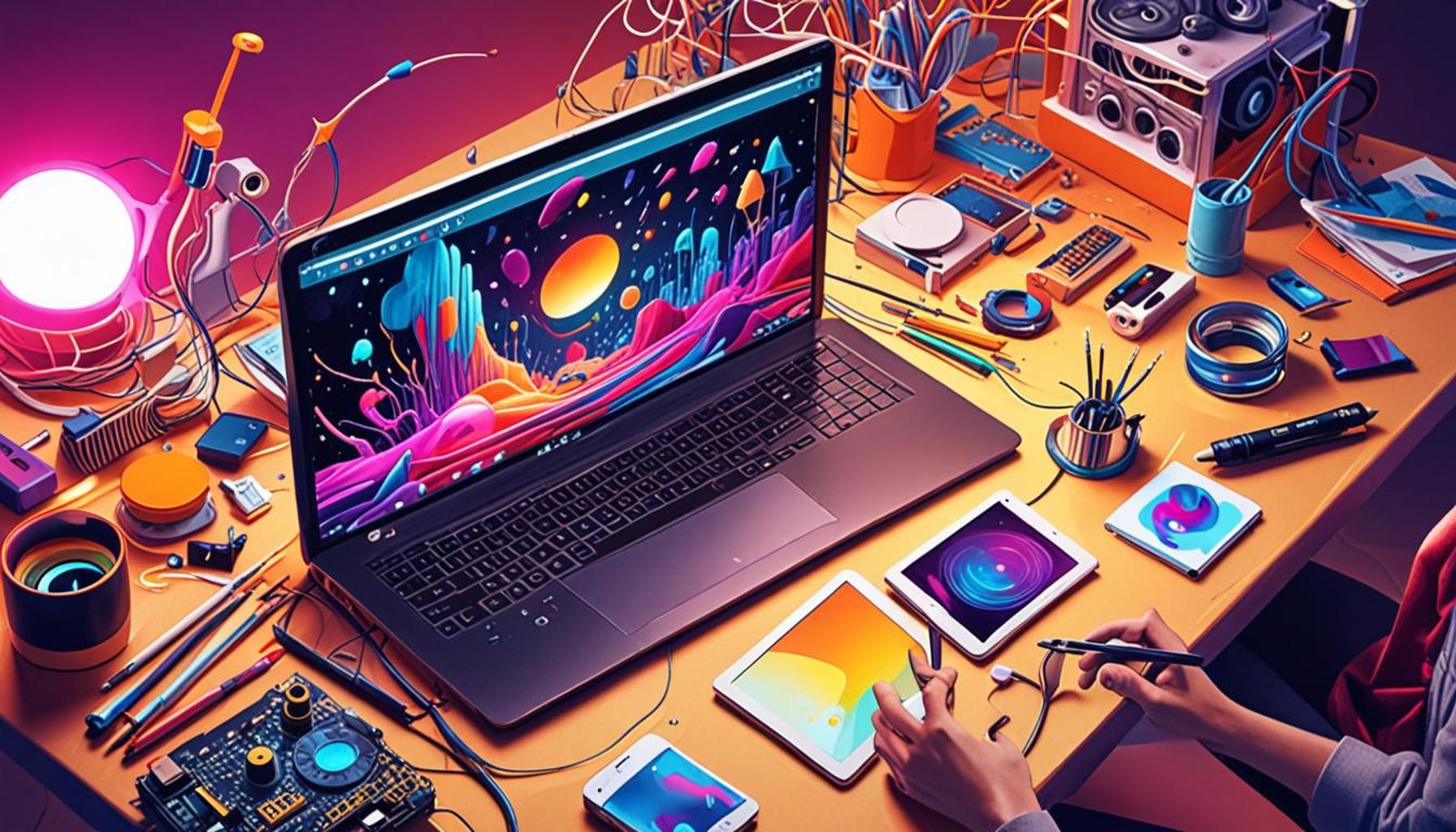
The intersection of technology and creativity has given birth to a vibrant movement known as digital craft. This new paradigm is not merely a trend; it signifies a profound transformation in the way we conceptualize and construct art. Artists are now equipped with an array of digital tools that not only enhance their creative capabilities but also democratize the artistry process. As a result, the landscape is rich with opportunities, allowing creators to expand their horizons in unprecedented ways.
3D Printing: From Concept to Reality
Consider 3D printing, a tool that has revolutionized the path from imagination to reality. Artists can design intricate sculptures or functional pieces using computer-aided design (CAD) software and then create tangible forms using printers that layer materials like plastic, metal, and even bio-materials. For instance, artists like Joshua Harker have utilized 3D printing to push the limits of form and complexity in their artwork. This technology not only enables rapid prototyping but also fosters a tactile connection to art, bridging the gap between digital and physical realms.
Augmented Reality (AR): An Interactive Experience
Augmented Reality (AR) enhances traditional experiences by overlaying digital content onto the physical world. Artists, such as those featured in the Museum of Modern Art’s AR installations, are creating engaging experiences that encourage viewer interaction. Imagine walking through an art exhibit where the displayed works come to life through your smartphone or AR glasses, telling stories or displaying additional layers of meaning. This integration of AR captivates audiences and provides a new dimension to understanding artistic intent.
Digital Fabrication: Accessibility for All
Digital fabrication techniques, including laser cutting and CNC machining, allow artists to turn complex digital designs into reality with astonishing precision. These technologies make it possible for individuals, regardless of their background, to create professional-grade artworks. Workshops and makerspaces, such as TechShop and Fab Lab, have sprung up across the United States, providing artists and hobbyists access to tools once limited to specialized fields. This accessibility is essential in nurturing a new generation of digital artisans.
Online Marketplaces: A Global Stage
In the era of the internet, online marketplaces serve as vital platforms for artists to showcase and sell their digital creations. Websites like Etsy, Redbubble, and even niche platforms specifically for digital art enable creators to reach global audiences without the barriers of traditional galleries. This evolution not only empowers artists through increased visibility but also allows consumers to find unique, innovative works that resonate with their personal tastes and values.
Conclusion: The Future of Digital Craft
The dynamic realm of digital craft is continually evolving, disassembling the old paradigms of art creation and encouraging new voices to emerge. Through advances in technology, artists are empowered to experiment and innovate, ultimately reshaping cultural narratives and inspiring future generations. As we further investigate this captivating world, we will uncover more examples of digital craftsmanship, showcasing how modern creators are leveraging these exciting tools to express their visions.
DISCOVER MORE: Click here for innovative storage ideas
Innovative Tools Transforming Artistic Expression
In today’s technologically driven world, the realm of art is witnessing a radical shift as traditional techniques meld with cutting-edge digital tools. This melding enriches both the creation and consumption of art, enabling artists to explore uncharted territories. As they harness technology to express their creativity, artists are not only pushing personal boundaries; they are also catapulting their works into new dimensions and connections with audiences.
Digital Painting: A New Canvas
The art of digital painting has emerged as a significant form of expression within the digital craft movement. Utilizing software like Adobe Photoshop or Procreate, artists can simulate traditional painting techniques while benefiting from the advantages that technology offers. Layers, undo options, and a plethora of brushes allow for an unparalleled freedom of expression. For instance, artists like Marta Dahlig have gained recognition for their stunning digital portraits that captivate viewers with their depth and realism. Digital painting seamlessly merges creativity and innovation, allowing artists to create stunning visuals that can be shared worldwide at the click of a button.
Animation and Motion Graphics: Breathing Life into Art
Animation and motion graphics represent another exciting frontier in digital craft. With tools like Adobe After Effects and Blender, artists can animate their illustrations or create immersive storytelling experiences. This has led to an explosion in demand for animated content across advertising, films, and social media. Artists such as Ash Thorpe have showcased how motion design can redefine narratives, blending aesthetics with dynamic storytelling to engage modern audiences. By incorporating movement into the visual art sphere, creators are not only broadening their expressive capabilities but also reshaping how audiences experience and interact with art.
Creativity in Coding: The Rise of Algorithmic Art
At the intersection of code and creativity lies algorithmic art, where code becomes a paintbrush and the screen transforms into a canvas. Artists like Casey Reas, co-creator of Processing, demonstrate how programming languages can be utilized to create visually stunning pieces that evolve and change over time. This discipline encourages artists to experiment with generative design, mathematics, and syntax to manifest visually engaging artworks. The beauty of algorithmic art is rooted in its unpredictability—the final piece is often an exploration rather than a predetermined outcome. This fascinating approach challenges the notion of authorship and paves the way for a collaborative experience between artists and viewers.
Digital Photography and Editing: The New Aesthetic
- Digital photography has fundamentally transformed our approach to capturing moments. Wielding cameras and smartphones equipped with advanced technology, anyone can become a photographer.
- Software like Lightroom and Snapseed allows for extensive editing capabilities, enabling photographers to refine their work to a level that was once exclusive to darkroom experts.
- Artists like Peter McKinnon illustrate how personal branding can flourish through social media platforms, utilizing digital photography not only to showcase talent but also to create communities.
Through these innovative tools and techniques, the landscape of digital craft continues to expand with astonishing fluidity, reshaping the very essence of what it means to be an artist in the 21st century.
Digital Craft: Harnessing Technology for Creative Expression
As we delve deeper into the world of Digital Craft, it’s crucial to understand how technology is not merely a tool, but a canvas that fosters creativity. Among the vast array of digital tools, we observe an emerging synergy that caters to artists, designers, and makers alike. Whether through software like Adobe Creative Suite or hardware like 3D printers, technology now allows for unprecedented levels of innovation and expression.
Emerging Technologies in Digital Craft
Technological advancements such as augmented reality (AR) and virtual reality (VR) are redefining how we approach artistic endeavors. AR applications not only enhance the design process but also create immersive experiences that captivate audiences. For instance, artists can project their creations in real-world environments, blurring the boundaries between digital and physical realms.Additionally, machine learning algorithms are being utilized to generate artwork, offering a unique collaboration between human creativity and artificial intelligence. This intersection raises intriguing questions about authorship and originality in art, pushing creators to rethink their roles.
Benefits of Integrating Craft and Technology
The merger of craft and technology extends beyond aesthetics. It invites inclusivity in creative practices, allowing anyone with a digital device to express their ideas. Platforms like Etsy and Adobe Spark have democratized access to tools, enabling artists to share their work globally, reach wider audiences, and even monetize their creations.To bring these themes into focus, let’s take a look at the various advantages of the Digital Craft movement:
| Category | Details |
|---|---|
| Innovation | New tools and technologies inspire new creative ideas. |
| Accessibility | Digital platforms enable creators of all backgrounds to participate. |
| Collaboration | Digital tools facilitate easy collaboration across geographies. |
| Sustainability | Digital methods often reduce waste in the creative process. |
With the integration of technology into craft, we enter an era where creativity is not limited by traditional constraints. As such, the exploration of this intersection continues to evolve, and each innovation prompts further inquiry into what is possible in the realm of creativity.
DIVE DEEPER: Click here to discover more
Shaping the Future: The Role of Artificial Intelligence in Art
Artificial Intelligence (AI) is becoming an increasingly influential player in the world of digital craft, serving both as a collaborator and tool for artists. Programs like DeepArt and Runway ML enable artists to leverage machine learning algorithms to explore new techniques and concepts that were previously unimaginable. For instance, AI can analyze vast datasets of artistic styles and, through generative adversarial networks (GANs), create unique artwork that incorporates elements from multiple influences. Artists such as Refik Anadol have successfully showcased how collective memory and data can be visualized aesthetically, fusing technology with artistic vision. This collaborative approach encourages creators to rethink their role as artists, often redefining authorship in the digital age.
Virtual and Augmented Reality: Immersive Creativity
The rise of virtual reality (VR) and augmented reality (AR) technologies has opened up new horizons for expression in digital craft. Tools like Tilt Brush allow artists to paint in a 3D space, engaging them in a process that transforms their artistic vision into an immersive experience. Beyond personal expression, this technology is revolutionizing galleries and exhibitions, as seen in the VR art experiences offered by platforms like Oculus Rift. In the U.S., events such as SXSW have begun integrating VR art-focused showcases, illustrating how the lines between digital art and audience experience are blurring. Artists like KAWS have embraced AR through collaborations with platforms that enable viewers to interact with artworks via smartphones, merging art and technology in unprecedented ways.
The Democratization of Creation: Open-Source Movements
An essential aspect of the digital craft movement is the democratization of creation. Thanks to open-source software, aspiring artists have access to tools that were once reserved for professionals. Platforms like GIMP and Blender are prime examples of how creative resources can be democratized, allowing anyone with a computer to delve into digital art without significant financial investment. One notable project, OpenProcessing, encourages artists to share their code and collaborate, fostering a community-based creative environment. This shift not only diversifies the artistic landscape but also amplifies voices that might have previously gone unheard, ensuring that digital craftsmanship is inclusive and representative.
Social Media: The New Gallery Space
In the digital craft era, social media serves as not only a marketing tool but also an essential platform for artists to showcase their work and gain visibility. Platforms like Instagram and TikTok have transformed how art is consumed and distributed, enabling artists to directly engage with their audiences. For example, artists like @d_fr3d have garnered large followings by showcasing their creative processes through short videos, making art more accessible and relatable. This phenomenon of social media art influences entire trends and challenges the traditional gallery model by democratizing representation and creating a space where all forms of artistic expression can flourish.
As digital craft continues to evolve, it unlocks an ever-expanding landscape of possibilities where technology and creativity intersect, reshaping the global art scene. Artists, equipped with innovative tools and platforms, are more than mere creators; they are pioneers of a digital renaissance, cultivating new experiences that resonate deeply with audiences around the world.
EXPLORE MORE: Click here to discover the impact of community crafting
Conclusion: Embracing a New Era of Digital Craft
In conclusion, the realm of digital craft illuminates the profound ways in which technology nurtures creativity, revolutionizing the art world as we know it. From the innovative use of artificial intelligence as both a collaborator and tool, to the immersive experiences offered by virtual reality and augmented reality, artists today are equipped with unprecedented resources that challenge traditional artistic boundaries. The democratization of creation through open-source movements empowers aspiring creators, ensuring diverse voices contribute to a vibrant artistic tapestry.
Social media platforms have emerged as the new galleries, fostering connections between artists and audiences, thus reshaping how art is perceived and shared. This dynamic interchange not only allows for a broader representation of artistic expressions but also cultivates community and engagement, offering a space for all creators to thrive.
The intersection of technology and creativity, therefore, is not merely a trend but a movement that invites us to reconsider the role of the artist in the digital age. As we continue to navigate this evolving landscape, it becomes essential for artists and enthusiasts alike to remain open to exploration, collaboration, and innovation. By embracing the potential of digital craftsmanship, we allow ourselves to envision a future where creativity knows no bounds, ultimately inspiring the next generation of artistic pioneers. The journey into this exciting realm is just beginning, and its possibilities are limited only by our imagination.