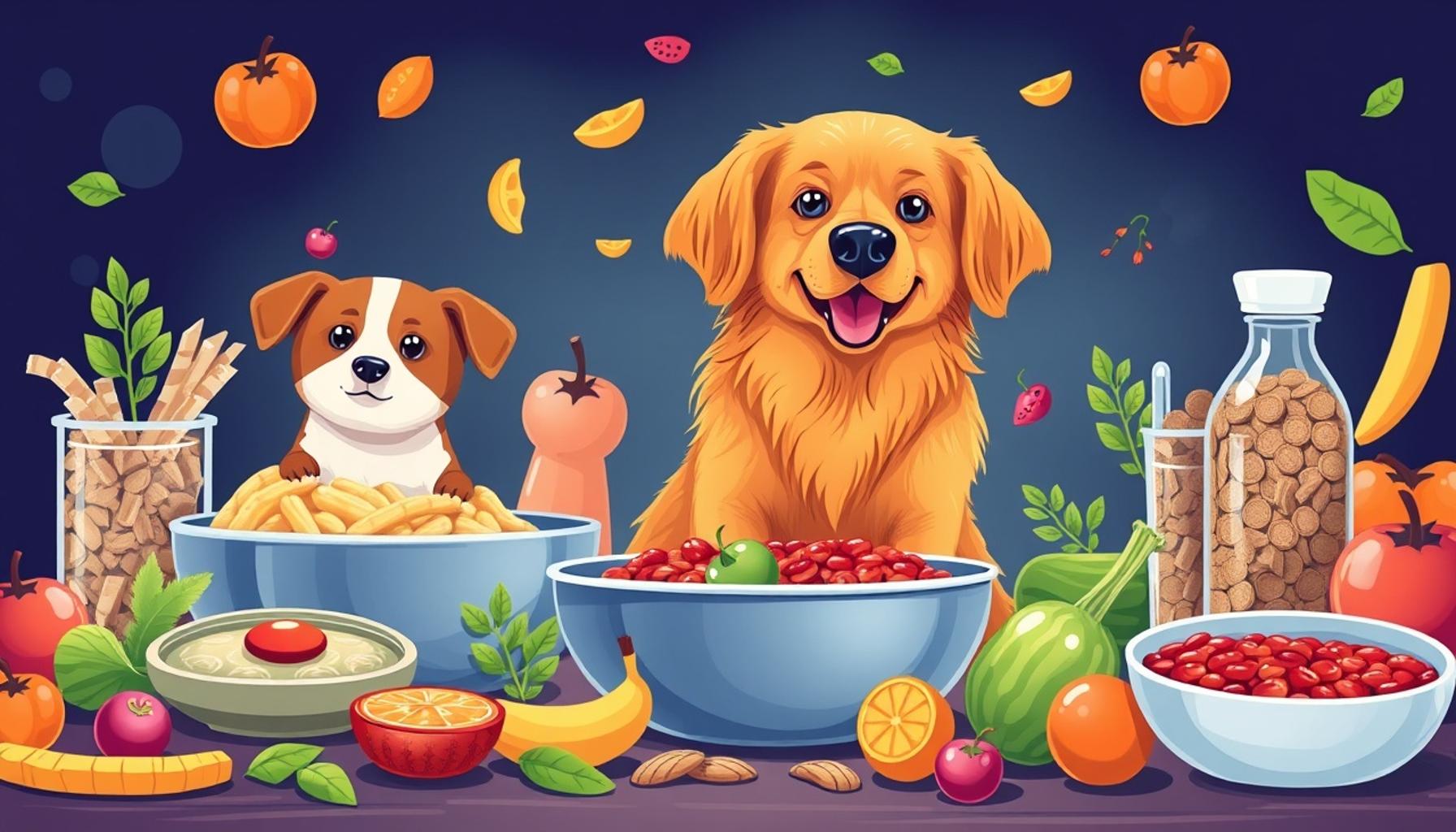
The Importance of a Balanced Diet for Pet Health

The Importance of a Balanced Diet for Pets
For pet owners, understanding the significance of a balanced diet is paramount to ensuring their furry companions enjoy a full and healthy life. Pets, much like humans, require a spectrum of nutrients to function optimally and maintain their vitality. Research indicates that a tailored diet can be instrumental in warding off chronic health problems such as obesity, diabetes, and heart disease, while simultaneously promoting a longer, more active lifestyle.
Key Nutritional Components
When curating your pet’s diet, it is essential to incorporate various nutritional elements. Here’s a closer look at the fundamental components that should play a role in their meals:
- Proteins: These are the building blocks of your pet’s body, crucial for muscle development, energy, and overall growth. High-quality protein sources include chicken, beef, fish, and eggs. For instance, a diet rich in protein can enhance your dog’s muscle mass and strength, making it particularly important for active breeds.
- Carbohydrates: Often overlooked, carbohydrates are vital because they deliver the energy needed for daily activities. Ingredients like brown rice, sweet potatoes, and oats provide not only energy but also fiber, which aids in digestion.
- Fats: Though often misunderstood, fats are essential for several bodily functions, including skin health and nutrient absorption. Omega-3 and Omega-6 fatty acids, found in fish oil, are imperative for maintaining a shiny coat and preventing skin issues.
- Vitamins and Minerals: These micronutrients support immune health and various bodily functions. For example, vitamins A, D, E, and K play crucial roles in vision, bone health, and blood coagulability, while minerals like calcium and phosphorus are vital for strong bones and teeth.
The Benefits of a Balanced Diet
A balanced diet can dramatically alter your pet’s quality of life. Improvements in coat condition, energy levels, and overall mood can often be observed. For example, a dog fed a high-quality diet tends to exhibit more playful behavior, while a cat receiving the right balance of nutrients often demonstrates increased agility and curiosity.
In addition to physical health, nutrition also plays a role in behavioral aspects. A well-nourished pet is less likely to exhibit aggression or anxiety, showcasing how nutritious diets can influence temperament and social interaction.
Considerations for Pet Owners
To make the best dietary choices for your furry friend, it is crucial to research the specific dietary requirements pertinent to their species, breed, and age. For instance, puppies and kittens require higher levels of protein and fat compared to their adult counterparts. Observing your pet’s unique needs can guide you to appropriate food choices that cater to their specific life stage.
Stay tuned as we explore in depth how a nutritious diet can transform your pet’s health for the better. You will uncover practical tips on meal planning, learn about common pitfalls to avoid, and gather expert insights that can make a substantial difference in your companion’s life. Making informed dietary choices can be one of the most loving things a pet owner can do for their cherished animals.
Understanding Your Pet’s Nutritional Needs
Every pet is unique, which means that understanding their individual nutritional needs is crucial for their overall health. Different species, breeds, and ages have varying dietary requirements, and pet owners must be proactive in educating themselves about these differences. For example, large breed dogs have different caloric needs compared to smaller breeds, while senior cats may require lower protein levels to protect their kidneys. Access to accurate information about pet nutrition can help owners make informed decisions that contribute to their pet’s well-being.
The Role of Different Life Stages
Since pets live through distinct life stages, their dietary requirements will evolve over time. For instance, puppies and kittens benefit from a diet high in protein and fat, which is essential for rapid growth and development. As they reach adulthood, their metabolism slows, requiring a shift to a balanced maintenance diet that supports their activity level without leading to excess weight gain. Senior pets, on the other hand, may need tailored diets to address age-related health issues such as joint stiffness or reduced digestive efficiency.
The Dangers of Poor Nutrition
Neglecting your pet’s dietary needs can lead to a multitude of health issues, some of which can be serious and life-threatening. Obesity is a common consequence of overfeeding or providing low-quality food, leading to a cascade of health problems including diabetes, heart disease, and joint pain. Furthermore, inadequate nutrition can result in deficiencies that compromise your pet’s immune system, increase susceptibility to illness, and drastically reduce their quality of life.
Here are some common health issues associated with poor nutrition that pet owners should be aware of:
- Obesity: Excess weight can lead to serious complications such as diabetes and joint issues.
- Digestive Problems: Low-quality diets can cause gastrointestinal issues like diarrhea or constipation.
- Allergies: Certain ingredients in pet foods can trigger allergic reactions, resulting in skin conditions or gastrointestinal discomfort.
- Lethargy: Poor nutrition can leave pets feeling sluggish, affecting their overall behavior and energy levels.
Understanding the ramifications of poor dietary choices emphasizes the need for a balanced diet that fulfills your pet’s unique nutritional needs. Investing time in researching and selecting the right food can lead to a healthier, happier pet. In our upcoming sections, we will delve deeper into practical meal planning tips to ensure all your pet’s nutrients are met, highlighting how a little knowledge can go a long way in nurturing your beloved companions.
| Nutritional Balance | Health Maintenance |
|---|---|
| Ensures adequate vitamins and minerals | Promotes strong immunity and longevity |
| Supports energy levels and metabolism | Reduces the risk of chronic diseases |
The importance of a balanced diet for pets encompasses several key aspects that contribute to their overall health. Ensuring adequate vitamins and minerals in their daily meals not only bolsters their immunity but also enhances their ability to fight off illnesses. A nourishing diet can result in a longer life, reducing visits to the vet and promoting a happier pet. Moreover, a balanced blend of proteins, carbohydrates, and fats is essential for supporting energy levels and metabolism. When pets receive the right nutrients, they exhibit higher energy and playfulness, enhancing their quality of life. On a larger scale, this dietary harmony can lead to a significant reduction in the risk of chronic diseases, such as diabetes and obesity, which are prevalent in overweight pets. The correlation between nutrition and health reveals just how critical diet is in the realm of pet care, pushing owners to reconsider their pets’ meal plans in favor of the balanced approach.
Crafting a Nutritional Plan Tailored to Your Pet
Once you have a grasp on your pet’s unique nutritional needs, the next step is to craft a dietary plan that meets those needs effectively. This involves not only understanding the macronutrients—proteins, fats, and carbohydrates—but also paying attention to micronutrients like vitamins and minerals that are vital for optimal health. When formulating a diet, it’s essential to consider food variety and quality to enhance your pet’s overall health and well-being.
The Importance of Food Quality
In recent years, pet owners have become increasingly aware of the significance of high-quality pet food. Just as with human diets, the quality of ingredients plays a crucial role in your pet’s health. Opting for foods that list whole, recognizable ingredients—such as real meat, vegetables, and whole grains—can lead to a noticeable improvement in your pet’s vitality. Foods comprising by-products or fillers may lack essential nutrients and can lead to both short-term and long-term health issues.
Moreover, checking for certifications from organizations like the Association of American Feed Control Officials (AAFCO) can help ensure that a pet food meets minimum nutritional standards. While several brands market themselves as premium or specialized, vigilance is necessary to avoid falling prey to misleading marketing tactics.
Homemade Diets: Pros and Cons
In recent years, many pet owners have turned to homemade diets, believing that they can create more controlled and nutritious options for their pets. While designing a homemade diet can allow for fresh, high-quality ingredients, it also requires a deep understanding of your pet’s nutritional needs. Without proper knowledge of nutritional balance, homemade diets may inadvertently lead to deficiencies or imbalances that could harm your pet’s health.
Consulting with a veterinarian or a pet nutritionist before making significant dietary changes is advisable. These professionals can guide you in formulating a balanced meal plan that includes all necessary nutrients. It is essential to incorporate a variety of protein sources, vegetables, and carbohydrates while adding essential supplements when necessary.
The Role of Supplements
In addition to food, supplements can play a crucial role in achieving a balanced diet. For pets with specific health concerns or dietary restrictions, supplements such as omega fatty acids, glucosamine, and probiotics can enhance their quality of life. It is critical, however, to consult with a veterinarian before introducing any supplements to your pet’s diet. They can advise on the appropriate types and dosages to prevent any adverse effects.
Feeding Patterns and Portions
Aside from the quality of food, how you feed your pet can influence their health as well. Some pets benefit from structured mealtime schedules, while others may thrive on free feeding. Monitoring portion sizes is also crucial; overfeeding can lead to obesity, while underfeeding can lead to malnourishment. It’s helpful to refer to feeding guidelines on pet food labels and adjust based on your pet’s activity level and health status.
As you set out on the journey to maintain a balanced diet for your pet, remember that each choice influences their long-term health. The more informed and proactive you become, the better equipped you will be to care for your beloved companion. Understanding food choices, meal planning, and feeding practices ensures that the benefits of a balanced diet extend to every aspect of your pet’s life.
Conclusion: The Foundation of Pet Wellness
In conclusion, the importance of a balanced diet for pet health cannot be overstated. It is fundamental to not only ensuring your pet’s physical well-being but also enhancing their overall quality of life. By understanding your pet’s unique nutritional requirements and making informed choices about food quality, you are paving the way for a healthier and more vibrant future for your furry friend. Whether you choose commercial pet food or opt for homemade diets, prioritizing high-quality ingredients, and seeking guidance from veterinary professionals can dramatically impact your pet’s health.
The role of supplements and appropriate feeding practices further emphasizes that a comprehensive approach to nutrition is essential. By monitoring portion sizes and adapting feeding patterns to your pet’s lifestyle, you are not only preventing health issues but also fostering a happier and more active companion. As you progress on this journey toward optimized pet nutrition, remember that each meal is an opportunity to support their longevity and happiness.
In this age of information, the responsibility lies with pet owners to stay informed and proactive. The bond you share with your pet deserves the best possible care, and that begins with understanding the significance of a well-balanced diet. As you seek to enhance your pet’s nutrition, explore new options, learn, and consult trusted professionals, you will undoubtedly unlock the secrets to a flourishing and healthier life for your beloved companion.

Beatriz
Beatriz Johnson is a seasoned pet care expert and writer with a passion for simplifying the complexities of pet ownership and animal well-being. With over a decade of experience in the field, she specializes in topics like pet nutrition, training techniques, and health care. Through her work on our website, Beatriz empowers pet owners to make informed decisions and provide the best possible care for their furry friends, ensuring happy and healthy lives for their beloved companions.