
Tips for Creating a Safe and Comfortable Environment for Pets
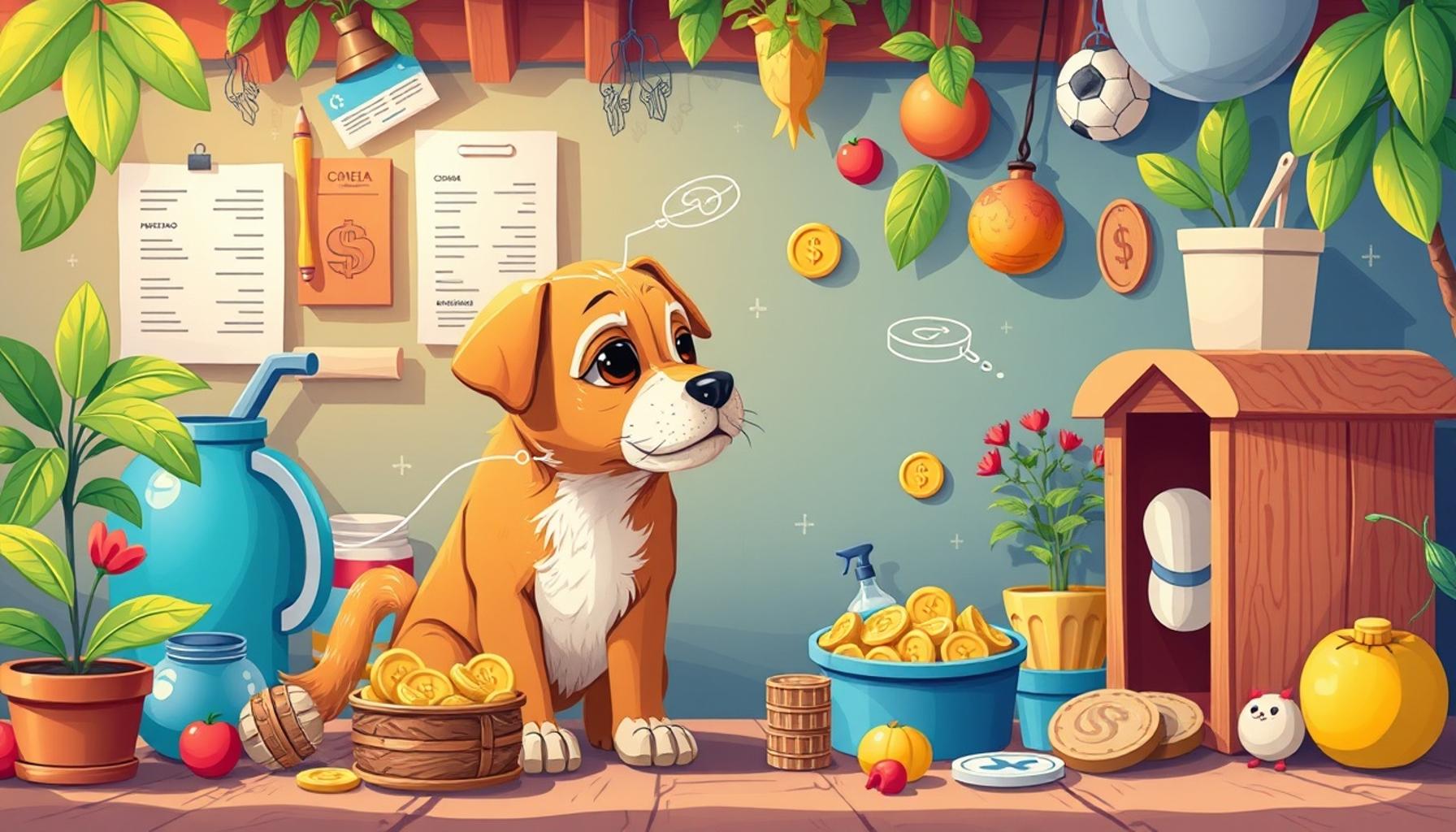
Creating a secure and cozy haven for your pets is essential for their well-being. It not only enhances their comfort but also promotes their health and happiness. Here are some important aspects to consider:
Safety First
Ensuring a safe environment involves identifying potential hazards that could harm your beloved pets. This might include:
- Secure windows and balustrades: It is crucial to ensure that windows are fitted with sturdy screens that can prevent your pets from tumbling out. Balustrades should be high enough to deter them from jumping off balconies, particularly for feline companions known for their adventurous nature.
- Non-toxic plants: Many common household plants are toxic to pets, including varieties like lilies, philodendrons, and certain types of ivy. Opting for pet-safe plants such as spider plants or peace lilies helps maintain a green yet safe indoor space.
- Storing harmful substances out of reach: Cleaning supplies, medications, and even certain foods such as chocolate and grapes can be dangerous. Implementing child-proof locks on cabinets where these items are stored can greatly reduce the risk of accidental ingestion.
Comfort Matters
Comfortable spaces are vital for your pets’ mental and emotional health. Consider providing:
- Cozy bedding: Soft, warm bedding can provide a sense of security for your pets. Look for options like orthopedic pet beds for older animals or fluffy blankets for smaller dogs and cats, ensuring they have a spot to snuggle up.
- Safe toys: When selecting toys, prioritize durability and safety. Opt for non-toxic materials and avoid items with small parts that could be swallowed. Enrichment toys that stimulate your pets mentally can prevent boredom and destructive behaviors.
- Temperature control during summer and winter: Ensure your pets are comfortable year-round by utilizing fans or air conditioning in warmer months and providing heating or extra blankets during colder seasons. Pay attention to signs of distress in extreme weather conditions.
Routine Checkups
Regular inspections of your home and yard can prevent accidents and ensure a safe space for your pets. It is important to check for:
- Loose electrical cords: Pets, especially puppies and kittens, have a tendency to chew. Secure cords with cord covers or tape them to prevent potential shocks.
- Secured trash bins: Many pets are attracted to the smells of garbage. Using pet-proof trash cans with lids can keep them from rummaging through waste and potentially ingesting harmful items.
- Hidden dangers in the garden: Assessing your garden for hazardous materials like pesticides or certain outdoor plants that are toxic to pets is vital. Creating a designated pet-friendly area can help avoid accidental exposure.
By implementing these practices, you can create a nurturing environment that supports your pets’ needs. These considerations not only provide peace of mind but also foster a deeper bond between you and your furry companions. Read on to discover more detailed tips and tricks for enhancing your pets’ living space.
Creating a safe haven for your pets goes beyond providing love and companionship; it requires a conscientious effort to eliminate potential hazards in your home. Many pet owners are surprised to learn just how many common household items can pose risks to their furry friends. As you embark on this journey of securing your home, consider these essential elements to ensure a nurturing environment for your pets.
Pet-proofing Your Home
Pet-proofing your home is an essential first step in safeguarding against accidents. This thorough examination begins by identifying potential risks in your living space. For example, heavy furniture like bookcases or dressers should be secured to the wall to prevent tipping if a curious pet nudges them. Additionally, staircases can be challenging for pets, especially for puppies and older dogs. Utilizing baby gates at the top and bottom of stairs is a proactive way to prevent falls and injuries.
Another crucial aspect of pet-proofing is to ensure that all toxic substances—such as cleaning supplies, medications, and certain houseplants (like lilies and azaleas)—are stored out of reach. Pet owners in the U.S. should also be aware of specific local hazards. For instance, antifreeze, while effective for cars, is extremely toxic to pets and should be cleaned up promptly if spilled. Moreover, keeping small items like coins and batteries away from pets will prevent choking or ingestion hazards.
Choosing Appropriate Flooring
The type of flooring in your home can drastically affect your pet’s safety and comfort. Non-slip surfaces are advisable, as they help prevent slips and falls that could lead to serious injuries, especially in older pets who may already have mobility issues. For homes with dogs, opting for carpeted areas provides a soft landing surface, while tile or hardwood floors should be treated with non-slip adhesives. This precaution can significantly enhance traction for pets prone to slipping.
Creating a Pet Zone
Establishing a designated pet zone fosters a sense of security and comfort for your animals. This area should encompass essentials: food and water bowls, plenty of toys, and a cozy bed. Ideally, this set-up should be in a quiet corner of your home, away from the hustle and bustle of daily activities to minimize stress. A well-defined pet zone gives pets the opportunity to retreat when they need a break, enhancing their overall emotional well-being.
Promoting Mental Stimulation
A stimulating environment is vital for the happiness and mental health of your pets. Engaging your pet mentally can also deter undesirable behaviors. Consider investing in interactive toys that dispense treats as your pet figures them out. Such toys encourage cognitive function and keep your pet engaged, allowing you to step away without worrying about boredom leading to mischief.
Incorporating regular exercise into your pet’s routine plays a significant role in their physical and mental development. Daily walks expose pets to new sights and smells while providing the exercise they need. Activities such as fetch or agility training involve both physical energy and mental problem-solving, ensuring that your pet remains both fit and mentally sharp.
Engaging in training sessions is another great way to promote mental stimulation. Teaching your pet commands or tricks not only instills discipline but also strengthens the bond between you and your furry friend. Short, focused training periods can be particularly effective in maintaining your pet’s interest while promoting good behavior.
By focusing on safety and mental engagement, you are cultivating an enriching environment that meets your pets’ physical, emotional, and cognitive requirements. Explore these essential elements to create a space where your beloved companions can thrive, ultimately contributing to their happiness, health, and well-being.
Creating a Safe and Comfortable Environment for Pets
Creating a safe and comfortable environment for your pets is essential for their well-being. By considering several important factors, you can significantly enhance their living space. In this section, we will delve into some actionable tips that will ensure your furry friends thrive in a cozy and secure setting.
| Safety Measures | Comfort Features |
|---|---|
| Secure Electrical Cords | Cozy Sleeping Areas: Ensure pets have a designated spot with comfortable bedding. |
| Safe Storage: Store hazardous materials away from your pets’ reach. | Temperature Control: Keep the environment well-ventilated and comfortable. |
It is crucial to address potential dangers in your home, such as exposed electrical cords and accessible chemicals. Furthermore, consider the layout and materials of your pet’s environment; using slip-resistant flooring can prevent accidents. These measures not only enhance their safety but also contribute to their overall comfort and happiness.
By implementing these tips for creating a safe and comfortable environment, you provide your pets with the best quality of life. Remember that their well-being is a reflection of the environment you cultivate for them. Stay tuned for more valuable insights on how to enhance your pets’ home experience.
Safe Outdoor Spaces
When creating a comfortable environment for your pets, the outdoors should also be a consideration. A secure outdoor space allows pets to enjoy fresh air and sunshine while minimizing risks. To ensure your backyard is a safe haven, first, examine the fencing. A secure, high fence prevents escape and keeps your pets safe from potential dangers, such as straying wildlife or cars. If you have a smaller dog, consider a fence that is tall enough to deter jumping or climbing.
Moreover, check for any gaps or holes in the fence where pets could slip through. Additionally, regularly inspect your yard for hazards such as sharp objects, toxic plants, or hazardous debris. Consider designating a specific area in your outdoor space as a “pet zone” by creating a smaller fenced-in area with grass or turf where they can play while keeping the rest of your garden intact.
Pet-Friendly Landscaping
Choosing the right plants and landscaping features is pivotal in ensuring your outdoor space is pet-friendly. It’s essential to avoid using toxic plants such as azaleas, rhododendrons, and certain types of lilies that can be harmful if ingested. Instead, opt for safe alternatives such as ornamental grasses or pet-friendly flowers like sunflowers or marigolds. Doing quick research on toxic versus non-toxic plants can save you heartache in the future.
- Non-toxic Ground Covers: Use clover or moss instead of mulch, which can be ingested in large quantities.
- Pet-safe Decorations: When purchasing garden ornaments, avoid sharp objects and ensure they are stable and pose no risk of tipping over.
- Shady Spots: Providing shaded areas under trees or installed shade canopies ensures your pets stay cool during warmer months.
Climate Control and Comfort Indoors
A comfortable environment goes hand-in-hand with proper climate control. Pets can be sensitive to temperature extremes, which can lead to discomfort or health issues. It’s essential to provide a temperature-controlled environment, especially in regions known for their extreme heat or cold. Ensure that your home is well-ventilated and that air conditioning is utilized during hot summer months while sufficient heating is available during winter.
Also, consider your pet’s resting areas. Choose bedding that is appropriate for the season – cool and breathable materials in the summer, and warm, thicker fabrics in the winter. Raised beds can provide air circulation for dogs during warm days while a cozy blanket can ensure warmth during chilly nights. Additionally, using an air purifier can help eliminate allergens, contributing further to your pet’s respiratory health.
Regular Veterinary Check-ups
A vital aspect of maintaining a safe and comfortable environment for pets involves regular veterinary care. Routine check-ups not only prevent health issues but also ensure that pets are free of parasites and maintain a healthy weight. Investing in regular veterinary visits can keep your furry friend thriving and provide peace of mind for you.
Moreover, make sure to stay updated on vaccinations to protect against diseases that are preventable. Keeping a first-aid kit handy in your home for pet emergencies, containing bandages, antiseptics, and essential medications, adds an extra layer of safety in critical situations.
By focusing on these essential aspects — both indoors and outdoors — you create a balanced, enriching, and above all, safe environment for your beloved pets. Whether it’s pet-proofing your home, adjusting your landscaping, or ensuring proper health care, each effort contributes to your pet’s quality of life.
Conclusion
Creating a safe and comfortable environment for your pets is essential for their well-being and happiness. By addressing the various aspects of their living conditions, you can significantly enhance their quality of life. From ensuring secure outdoor spaces that allow for safe exploration to selecting pet-friendly landscaping that promotes health and safety, every detail matters. Indoor climate control—maintaining an appropriate temperature and providing cozy resting areas—further supports your pets’ comfort throughout the year.
In addition, consistent veterinary check-ups are pivotal in catching health issues early, keeping them vaccinated, and ensuring they are in optimal condition. Building a pet-first household includes regular inspections for potential hazards and providing a nurturing environment filled with love and care. As you implement these tips, not only are you safeguarding their physical health, but you are also creating a space where they can thrive emotionally.
Ultimately, the goal is to foster a balanced and enriching environment that caters to your pet’s natural instincts while prioritizing their safety. By committing to these practices, you provide a home that promotes happiness, health, and security for your furry companions. Take the time to explore more resources and practices that can help optimize your pet’s surroundings; the love and attention you invest will be rewarded with their unwavering companionship.

Beatriz
Beatriz Johnson is a seasoned pet care expert and writer with a passion for simplifying the complexities of pet ownership and animal well-being. With over a decade of experience in the field, she specializes in topics like pet nutrition, training techniques, and health care. Through her work on our website, Beatriz empowers pet owners to make informed decisions and provide the best possible care for their furry friends, ensuring happy and healthy lives for their beloved companions.