Social Behavior in Pet Birds: Interactions and Hierarchies
The Intricacies of Social Interactions Among Pet Birds
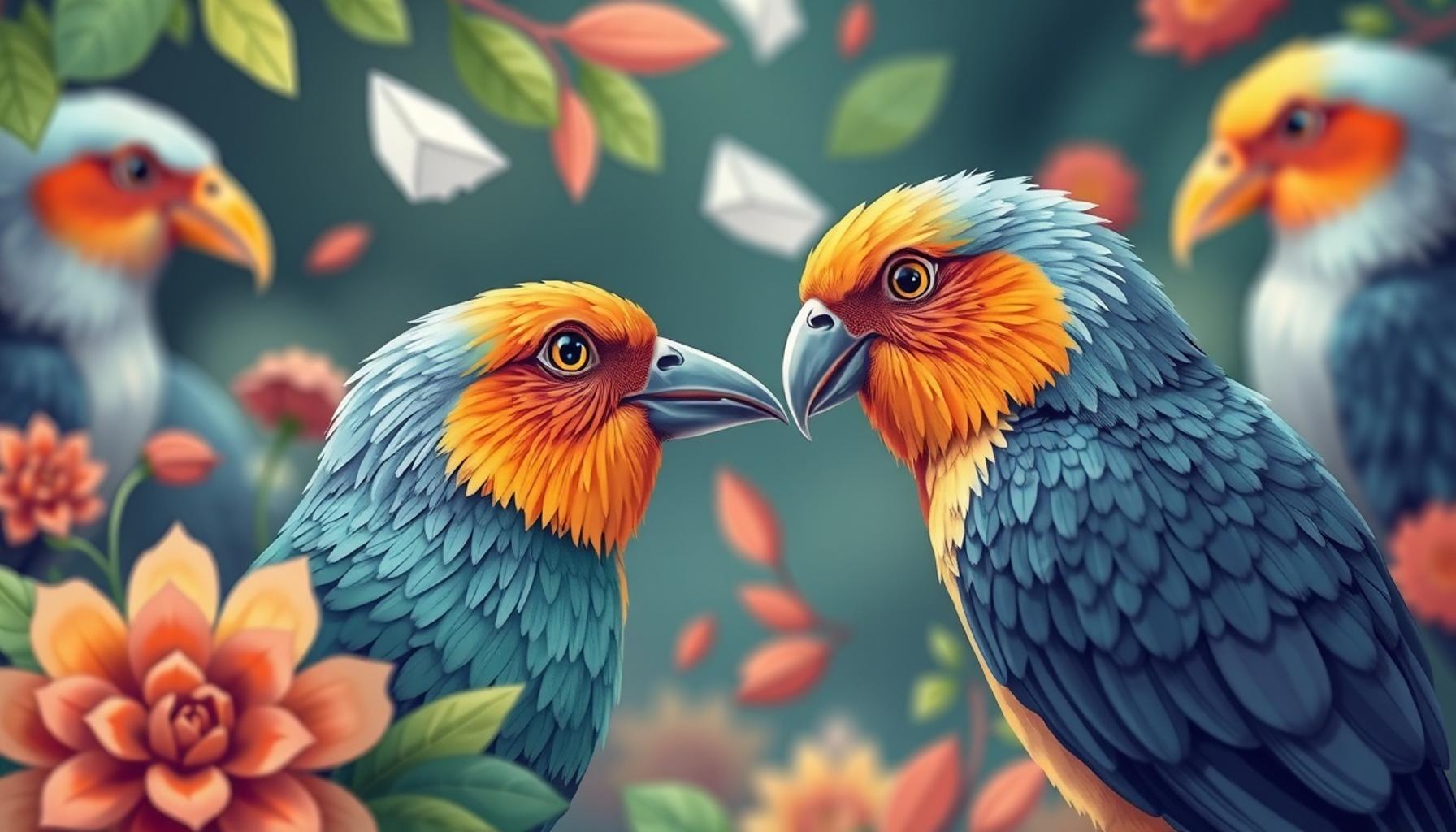
The social behavior of pet birds is a captivating glimpse into their complex interactions and established hierarchies. These charming creatures exhibit a plethora of behaviors that not only highlight their social nature but profoundly influence their overall well-being. Birds are inherently social animals that thrive on interaction, and understanding their social structures can enhance their quality of life significantly.
Pet birds form intricate social structures that can closely resemble those found in their wild counterparts. A variety of factors come into play when considering these dynamics:
- Species-Specific Traits: Each bird species showcases distinct social behaviors. For instance, budgerigars are known for their gregarious nature and strong flocking instincts, while cockatoos exhibit more hierarchical social behaviors that may require a clear pecking order. These traits are essential to acknowledge when assessing how to house and socialize different species.
- Environmental Influences: The setup of a bird’s living space significantly impacts their interactions. A spacious cage stocked with perches, toys, and hiding spots fosters opportunities for play and exploration. Environments lacking stimulation can lead to boredom and aggression among birds, emphasizing the need for a thoughtfully designed habitat.
- Owner Interaction: The way owners engage with their birds can either bolster their social experiences or contribute to stress. Regular, positive interaction with owners encourages trust and reduces anxiety. For example, spending time talking, singing, or even just being present around the bird can enhance the bond and create a more comfortable atmosphere.
Recognizing these aspects is crucial for bird owners, as it aids in cultivating a harmonious living environment. Understanding the social hierarchies that can emerge allows owners to grasp the importance of:
- Providing Enrichment: Mental and physical stimulation is vital for keeping birds healthy. Activities such as puzzle toys, training sessions, and foraging opportunities can mimic their natural instincts and keep them engaged.
- Facilitating Socialization: Gradually introducing birds to each other can prevent territorial disputes and reduce stress. When adding a new bird to the home, ensuring a slow transition can help establish relationships without conflict. Observing body language, such as head-bobbing or specific vocalizations, provides insight into how well the birds are adjusting to each other.
- Identifying Dominance Behaviors: Understanding the roles and dynamics among birds is essential for managing any potential conflicts. By recognizing signs of dominance, such as aggressive posturing or vocal challenges, owners can intervene appropriately to maintain peace within the flock.
By exploring the captivating world of social interactions among pet birds, we can uncover invaluable insights into their hierarchies and how these influence behavior. This knowledge will empower bird enthusiasts to provide enriched environments that promote the birds’ psychological and social needs, ensuring happier, healthier feathery companions.
Unraveling the Social Fabric of Pet Birds
The social dynamics among pet birds offer a fascinating study of how these vibrant creatures communicate, interact, and establish hierarchies within their communities. Much like humans, birds possess varying degrees of social structures that dictate their relationships and behavioral patterns. An examination of these dynamics reveals essential insights that can help bird owners nurture their pets’ emotional and social needs effectively.
Understanding the social behavior of pet birds involves a closer look at their innate tendencies, which are influenced by various aspects:
- Natural Social Structures: In the wild, many bird species live in flocks, where they have established roles — from leaders to followers. For example, parrots are highly social, often engaging in complex interactions that solidify their bonds within the flock. In contrast, finches often display more egalitarian structures, communicating through songs during mating seasons or territorial disputes.
- Non-Verbal Communication: Birds employ a variety of non-verbal cues in their social exchanges. Body language plays a critical role; for example, puffing up feathers can signal aggression, while a relaxed posture indicates comfort and trust. Being keen observers of these signs can help owners interpret their birds’ moods and intentions.
- Vocalizations: The sounds birds make are integral to their social interactions. From the soft chirps and whistles of canaries to the loud calls of macaws, vocalizations serve purposes such as territory establishment, mate attraction, and social bonding. Bird owners can enhance the social experience of their pets by mimicking their calls or engaging in singing sessions, which not only provides entertainment but also fosters a deeper connection.
Grasping these elements of social behavior is essential for enhancing the well-being of pet birds. By recognizing their social needs, bird owners can contribute to a fulfilling and less stressful environment. Strategies include:
- Creating a Multifaceted Habitat: Ensuring that a bird’s environment mimics the intricate structures of their wild habitats can significantly impact their behavior. This means providing ample opportunities for exercise, exploration, and social engagement through toys, climbing structures, and companion birds.
- Encouraging Interactive Play: Engaging pet birds through interactive playtime allows them to exhibit natural behaviors while strengthening the bond between bird and owner. Activities such as fetch with a small ball or training exercises encourage cognitive stimulation and social interaction.
- Facilitating Positive Experiences: Introducing new experiences gradually can reduce the chances of stress and fear for pet birds. This can include inviting friends over to meet the birds or rotating toys in and out of their environment to keep their interest piqued.
By fostering a deeper understanding of the social behaviors exhibited by pet birds, owners can be better equipped to create engaging, supportive environments where their feathered friends can thrive. Observing them not only deepens the human-animal bond but also enriches the lives of these intelligent beings.
Social Dynamics in Pet Birds
Understanding the social behavior of pet birds reveals fascinating insights into their interactions and established hierarchies. Birds are inherently social creatures; thus, observing them can significantly enhance their well-being. In environments where pet birds interact, you may notice a range of behaviors that indicate their social structure, such as flocking tendencies, vocalizations, and hierarchical positioning within the group.
Interactions within Flocks
When pet birds live together, their natural instincts dictate intricate social dynamics. Hierarchies often emerge based on size, age, and personality. For instance, dominant birds may display aggressive behaviors to assert their leadership, while submissive individuals might exhibit more passive behaviors. This interaction showcases not just the pecking order but also communication skills through body language and vocalizations.Complex interactions can also lead to the development of strong bonds among birds. Often, social grooming is a significant behavior that fosters connection and reinforces alliances. Understanding these social cues can greatly enhance your ability to care for your birds and provide them a nurturing environment.
The Importance of Hierarchies
The establishment of hierarchies in pet birds is pivotal to maintaining peace within their habitat. In multi-bird households, tensions can arise, especially among competing individuals. Recognizing and respecting these hierarchies can help in mitigating stress and conflicts among birds. It is essential to monitor their interactions closely, as the misunderstanding of a bird’s rank can lead to fights or undue stress.By providing adequate space, enrichment, and individual attention, owners can foster a more harmonious environment. Engagement in their social behaviors not only accommodates their emotional needs but also enhances their quality of life.In the exploration of social behavior, pet owners can deepen their understanding of the nuances of avian interaction, promoting a stable and enriched atmosphere for their feathered companions. Building on this knowledge allows owners to customize their approach, ultimately leading to happier and healthier pets. The world of pet birds is not just about care; it’s about recognizing the vibrant social landscape they inhabit.
| Category 1 | Category 2 |
|---|---|
| Flocking Behavior | Birds tend to group together, enhancing security and social interaction. |
| Hierarchy Establishment | The social structure helps minimize conflicts and promote stability. |
Through understanding these elements, you may uncover new layers to your pets’ interactions, leading to richer experiences and improved relationships with your avian companions. The intricacies of their behavior deserve thorough exploration and appreciation.
Exploring Hierarchies and Interactions Among Pet Birds
The intricacies of social hierarchies within pet bird communities can be both fascinating and complex. Their interactions are far from simple; they involve a continual negotiation of relationships influenced by species, individual personalities, and environmental factors. Understanding these hierarchies not only aids in interpreting their behavior but is also crucial to ensuring birds feel secure and valued in their social structure.
Establishing Hierarchy is a fundamental aspect of social behavior in birds. Many species have defined pecking orders, which determine the access each bird has to resources such as food, space, and attention from their human caregivers. This social ranking can lead to competition and conflict, especially in multi-bird households. For instance, in a flock of cockatiels, one bird may consistently assert dominance by claiming the prime perch or teasing others during feeding times. Bird owners should monitor these interactions, as disruption of the pecking order can lead to stress and aggressive behavior.
Different Species Dynamics yield varied social interactions. For example, while parakeets are often playful and egalitarian, other species like lovebirds may exhibit more territorial behavior. This difference highlights the necessity of understanding species-specific traits when nurturing bird relationships. Moreover, interactions between different species can yield unique social scenarios; compatibility and adaptation become essential. An owner with both a conure and a finch should remain vigilant about their interactions, as these two species communicate differently and may misinterpret cues.
Bonding Activities enrich the social fabric of pet bird interactions. Engaging in activities like synchronized flying or shared play can bolster social bonds and reinforce positive relationships. Introducing foraging opportunities—where birds must work together or compete for hidden treats—can provide valuable interaction stimuli. This setup encourages natural behavior and helps establish a stronger connection among birds. Various toys and enrichment activities can also prompt social engagement, as birds learn to navigate their environments collaboratively.
Conflict Resolution is another critical aspect of birds’ social behavior. Birds may squabble over territory or resources, and understanding how to manage these disputes is vital for creating a harmonious environment. For instance, allowing birds to establish their pecking order without intervention can lead to peaceful coexistence, as long as there are enough resources to prevent over-competition. Alternatively, proactive interventions, such as providing separate feeding stations or safe havens, can mitigate tensions and promote well-being among feathered friends.
Understanding the subtleties of social hierarchies and interactions within pet birds allows owners to create a balanced ecosystem at home. Employing careful observation and thoughtful strategies enables owners to facilitate healthy relationships between their birds, fostering an enriching social environment. The world of pet birds is not merely one of companionship; it is a vibrant community rich with emotional connections, social structures, and opportunities for interactive growth.
Conclusion: The Essence of Social Behavior in Pet Birds
Understanding the social behavior in pet birds unveils a vibrant tapestry of interactions and hierarchies that enrich their lives and our own. The intricate dynamics of established hierarchies highlight the importance of recognizing who takes the lead within a feathered community, a factor that significantly influences their wellbeing and emotional health. The awareness of how different species interact and bond—whether it be playful parakeets or territorial lovebirds—enables pet owners to craft environments that promote harmony and minimize conflict.
Moreover, the significance of bonding activities cannot be overstated; these engagements enhance friendships among birds and mimic natural behaviors that bolster their mental stimulation. By facilitating opportunities for connection through play and collaboration, owners can foster a sense of security and companionship that is deeply beneficial to their avian friends. Additionally, understanding the nuances of conflict resolution is imperative for maintaining balance, showcasing the need for intervention strategies that protect the social order while allowing natural behaviors to thrive.
Ultimately, the rich social fabric present in the world of pet birds invites us to explore their emotional lives further. By observing, interacting, and nurturing relationships among our birds, we not only enhance their quality of life but also deepen our engagement with these intelligent companions. In a country where pet ownership is ever-increasing, educating ourselves about avian behavior adds a layer of responsibility to birdkeeping, ensuring that every feathered friend can enjoy a fulfilling and socially enriched life.

Beatriz
Beatriz Johnson is a seasoned pet care expert and writer with a passion for simplifying the complexities of pet ownership and animal well-being. With over a decade of experience in the field, she specializes in topics like pet nutrition, training techniques, and health care. Through her work on our website, Beatriz empowers pet owners to make informed decisions and provide the best possible care for their furry friends, ensuring happy and healthy lives for their beloved companions.