Mastering the Art of Watercolor: Techniques for Water and Light Effects
The Allure of Watercolor Techniques
Watercolor painting is not just a medium; it is an artistry that demands both passion and patience. Artists often find themselves enchanted by the fluidity of this technique, where a splash of pigment can transform a blank canvas into a vibrant world of imagery. Understanding how to effectively navigate the intricacies of water and light effects can distinguish an amateur effort from a masterpiece. Techniques arise as crucial tools in the artist’s arsenal, allowing them to evoke emotions and capture the ephemeral nature of light and water. This exploration underscores the importance of specific methodologies.
Essential Techniques for Mastery
Among the various techniques available, here are three fundamental methods that can dramatically influence the quality of a watercolor painting:
- Wet-on-Wet: This approach involves applying wet paint onto a wet surface. It is particularly useful for achieving soft edges and smooth transitions. For instance, when painting a sky, artists can drop in shades of blue and let them mingle, creating a beautiful, cloud-like effect that mimics nature.
- Glazing: In this technique, a transparent wash is applied over a dry layer. This layering effect generates depth and luminosity, which is essential when painting subjects like a sunlit river or autumn leaves shimmering under light. The result is a rich texture that captivates the viewer’s eye.
- Lifting: This technique allows for the removal of pigment using a damp brush or tissue, creating highlights or soft clouds. It is particularly useful to create the illusion of sunlight breaking through a forest canopy, particularly effective for artists looking to depict natural scenes with realism.
Guiding Factors in Watercolor Practice
To fully embrace the enchanting effects of water and light, artists must consider several influencing aspects:
- Color Theory: A solid understanding of how colors interact informs an artist’s ability to recreate light effects. For example, knowing that cool colors recede while warm colors advance helps in portraying depth, essential for scenic landscape painting.
- Brush Techniques: The choice of brush—be it round, flat, or rigger—determines the texture and detail of a piece. A fine-tipped brush might be ideal for sharp details, while broader brushes serve for washes that cover larger areas.
- Paper Selection: Different types of watercolor paper can impact how the pigment interacts. Rough paper creates texture, whereas smooth paper allows for finer details—a vital consideration for artists wishing to depict the crystalline effect of water.
Embarking on the journey of watercolor painting opens up a realm of creativity and expression. Mixing colors, experimenting with techniques, and learning from nature can inspire artists to capture the transformative power of light and water. Whether it’s that serene lake at dawn or the dance of sunlight on a city street, watercolor has the potential to illustrate these moments with depth and vibrancy. Engage with the techniques discussed, and allow your canvases to come alive with the beauty of this captivating medium!
DISCOVER MORE: Click here to dive deeper
Harnessing the Power of Color and Technique
In the world of watercolor painting, the juxtaposition of color and technique creates captivating landscapes and serene scenes that seem to come alive on the page. The real challenge, however, lies in mastering the delicate dance of water and light. The transparency of watercolor means it can either amplify the vividness of colors or mute them, depending on how an artist manipulates the medium. Mastering this art form revolves around understanding a few key elements that govern how watercolors behave and how they can be utilized to depict stunning light effects.
Blending Techniques for Dynamic Light Effects
To achieve the enchanting reflections and unique lighting scenarios that make watercolor art noteworthy, there are several essential techniques to explore. Each method provides a different avenue to render the play of light and water:
- Salt Technique: Sprinkling salt onto wet watercolor creates unexpected textures and unique patterns. As the water evaporates, the salt absorbs the pigment, leaving behind a fascinating crystalline effect. This technique is particularly useful for representing a starry night sky or ocean foam, making it a fun and experimental addition to the artist’s toolkit.
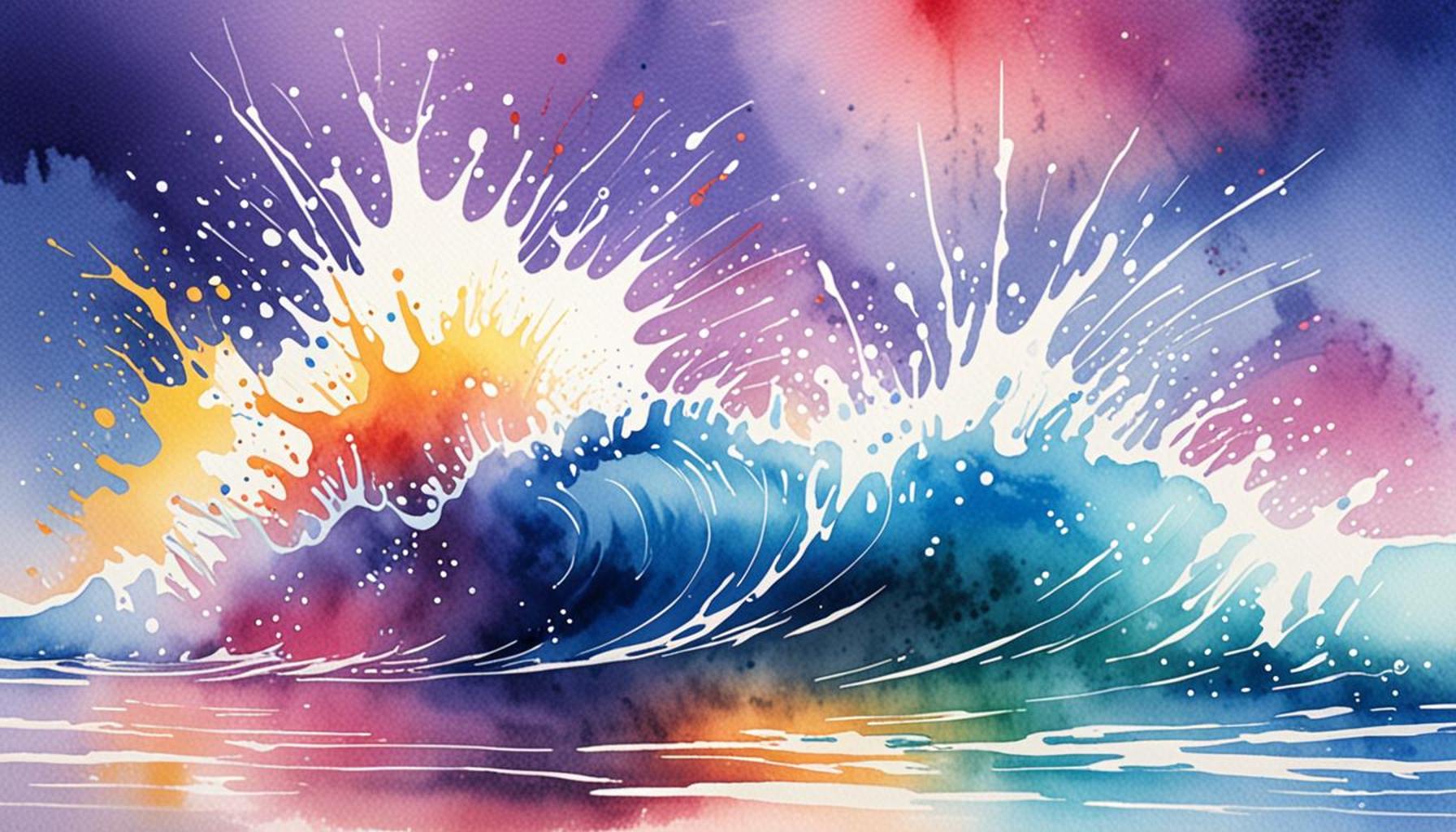
- Splattering: Utilizing a stiff brush or toothbrush to flick paint onto the surface can create spontaneous droplets that mirror the appearance of water splashes or sparkling light. This lively technique is perfect for depicting scenes with movement, such as a rushing stream or a city bustling with activities.
- Wet-on-Dry: Applying watercolors onto a dry surface allows for sharper edges, which is ideal for creating detailed elements within sunny landscapes. This method enables artists to achieve crisp outlines and enhance features that need to stand out, such as tree trunks or foreground details.
Understanding Light as a Multidimensional Element
The interplay of light and shadow is what breathes life into watercolor paintings. Observing how light interacts with different surfaces can guide an artist’s approach to their work. Understanding light dynamics can aid in creating a more realistic depiction of scenes involving water and light:
- Reflections: Water surfaces act as mirrors, reflecting colors and shapes found above them. Artists should focus on translating these reflections accurately to highlight the interplay of light and depth in their work.
- Highlights and Shadows: Incorporating strategic highlights (the parts where light directly strikes) and shadows (the areas where light is obstructed) adds dimension. This expressive use of light creates a feeling of form, turning a flat painting into something that feels three-dimensional.
- Atmospheric Effects: The opportunity to convey atmosphere, such as mist or haze, reflects an artist’s understanding of light diffusion. This can be achieved through layering washes of soft color to illustrate the subtle effects that light has on the environment, especially at dawn or dusk.
As artists delve deeper into the nuances of these techniques, they will discover that the rich world of watercolor not only reflects nature but also conveys emotions. By mastering the effects of water and light, one can bring forth immersive experiences that resonate deeply with viewers. Whether creating a serene lakeside scene or capturing the hustle and bustle of a city at sunset, the journey of watercolor painting opens a window to endless possibilities.
To delve deeper into “Mastering the Art of Watercolor: Techniques for Water and Light Effects,” it is essential to explore some specific methods artists can employ to create stunning visual effects. Watercolor painting, with its translucent qualities, is inherently suited for rendering both the fluid nature of water and the ethereal play of light.
Understanding the Interaction of Water and Color
In watercolor painting, the interaction between water and pigment is crucial. Artists must grasp how to manipulate this balance to achieve various textures and depths. For instance, using wet-on-wet techniques allows pigment to flow seamlessly into the wet surface, creating soft edges that mimic the gentle ripples of water. On the other hand, wet-on-dry techniques can provide sharper contrasts, ideal for delineating light reflections on water surfaces.Additionally, mastering the use of glazes can greatly enhance the luminosity of a piece. By layering transparent washes, artists can build depth and complexity, making water appear more lifelike and reflective.
Capturing Light with Transparency
Light effects in watercolor are achievable through specific techniques. Employing negative painting, where the artist paints around lighter areas to create forms, can effectively simulate highlights on water. Another method involves using masking fluid to preserve areas of white paper, allowing light to be maintained even after multiple washes. This technique is particularly beneficial when aiming to capture sparkle or reflections on the water’s surface.Moreover, understanding the color theory that underpins light can significantly influence how artists render their works. Utilizing a range of warm and cool colors in strategic areas can enhance the illusion of light and shadow, making artwork burst with vibrancy.Incorporating these techniques not only enriches an artist’s skillset but also opens new avenues for creative expression. The magic of watercolor lies in its ability to communicate what is perceived through the lens of imagination, transforming a simple splash of color into a dynamic representation of the natural world. As one ventures further into mastering watercolor, experimenting with water and light will undoubtedly lead to innovative artistic outcomes.
CHECK OUT: Click here to discover exciting DIY tech gadgets!
Exploring Advanced Techniques for Depth and Clarity
As artists evolve in their watercolor practice, diving into advanced techniques can lead to the elevation of their artwork, allowing for stunning representations of water and captivating light effects. These sophisticated methods can help produce depth, clarity, and an emotional connection within the artwork, making them invaluable to any aspiring watercolorist:
Layering for Depth and Complexity
One of the most effective strategies in watercolor painting is the art of layering. By utilizing multiple transparent washes, artists can create greater dimension within their work:
- Glazing: This technique involves applying a thin, translucent layer of paint over a dry layer. Artists can achieve a rich spectrum of colors, enhancing luminosity in their paintings. For example, glazing can be used to depict sunlight filtering through trees, where lighter hues sit on top of darker shades to simulate the effect of light passing through foliage.
- Wet-on-Wet Layering: This nuanced approach allows for colors to blend and diffuse on the paper. By applying wet paint over wet paper, the colors mingle, creating soft edges that are ideal for capturing the gentle transitions in water ripples and cloud formations. This technique proves invaluable for creating atmospheric effects, especially in scenes involving water and light interplay.
Utilizing Paper Texture and Grain
The choice of paper significantly influences the outcome of watercolor artwork. Artists can harness different textures and grains to heighten detail and surface characteristics:
- Rough Texture: This type of paper accentuates brush strokes and is fantastic for capturing the lively spray of water droplets or the ruggedness of rocky shorelines. The raised surface allows for unique patterns that resemble turbulent currents or choppy seas.
- Cold Press vs. Hot Press: Cold press (noted for its slight texture) is a great choice for versatility and depth, whereas hot press (smooth) is ideal for detail and precision. Understanding these differences can drastically change how light reflects off surfaces in a painting, such as a glassy lake or detailed reflections in a rain-soaked street.
Exploring Color Theory for Enhanced Light Effects
Mastery of color theory can profoundly affect the illusion of light in watercolor paintings. Artists should consider key principles such as:
- Complementary Colors: Using colors opposite each other on the color wheel can intensify light. For instance, when painting a sunset over water, adding hints of blue to warm hues can help convey the reflection’s vibrancy and depth.
- Cool and Warm Tones: Understanding the impact of cool and warm tones allows artists to illustrate depth and spatial relationships accurately. Cool colors recede, while warm colors advance; this principle aids in creating a three-dimensional perspective, essential for depicting scenery with water and light.
By embracing these advanced techniques, artists will find they can push the boundaries of watercolor painting. Crafting dreamy coastal vistas or illuminating cityscapes at twilight reveals the artist’s capability to translate their vision onto paper. The mastery of water and light effects within watercolor not only captivates viewers but also invites them into a world of artistry infused with emotion and brilliance.
DISCOVER MORE: Click here to unlock creative fabric painting techniques
Conclusion: Elevate Your Watercolor Practice
Mastering the art of watercolor, particularly in portraying water and light effects, opens a new realm of artistic expression. The techniques explored in this article—from layering and texture to the nuances of color theory—empower artists to create not just visually appealing pieces but also emotionally resonant ones. Harnessing the power of glazing and wet-on-wet layering enhances depth and vibrancy, while an understanding of paper types enriches the tactile and visual characteristics of each painting.
Moreover, a thoughtful application of complementary colors and the dynamic interplay of cool and warm tones allows artists to mimic the natural world with breathtaking precision. These advanced techniques are not merely tools; they are invitations to explore the vast potential of watercolor and express personal visions with authenticity.
As you continue your journey in watercolor painting, remember that each brushstroke is an opportunity to capture fleeting moments of light and motion. Don’t shy away from experimenting—embrace mistakes as part of the learning process. The more you practice these techniques, the richer your artistic vocabulary will become. Dive deep into your local landscapes or your imagination, and let the beauty of water and light guide your creative explorations. Embark on this artistic adventure, and watch as your watercolor creations transform, encouraging you to delve further into the depths of this enchanting medium.