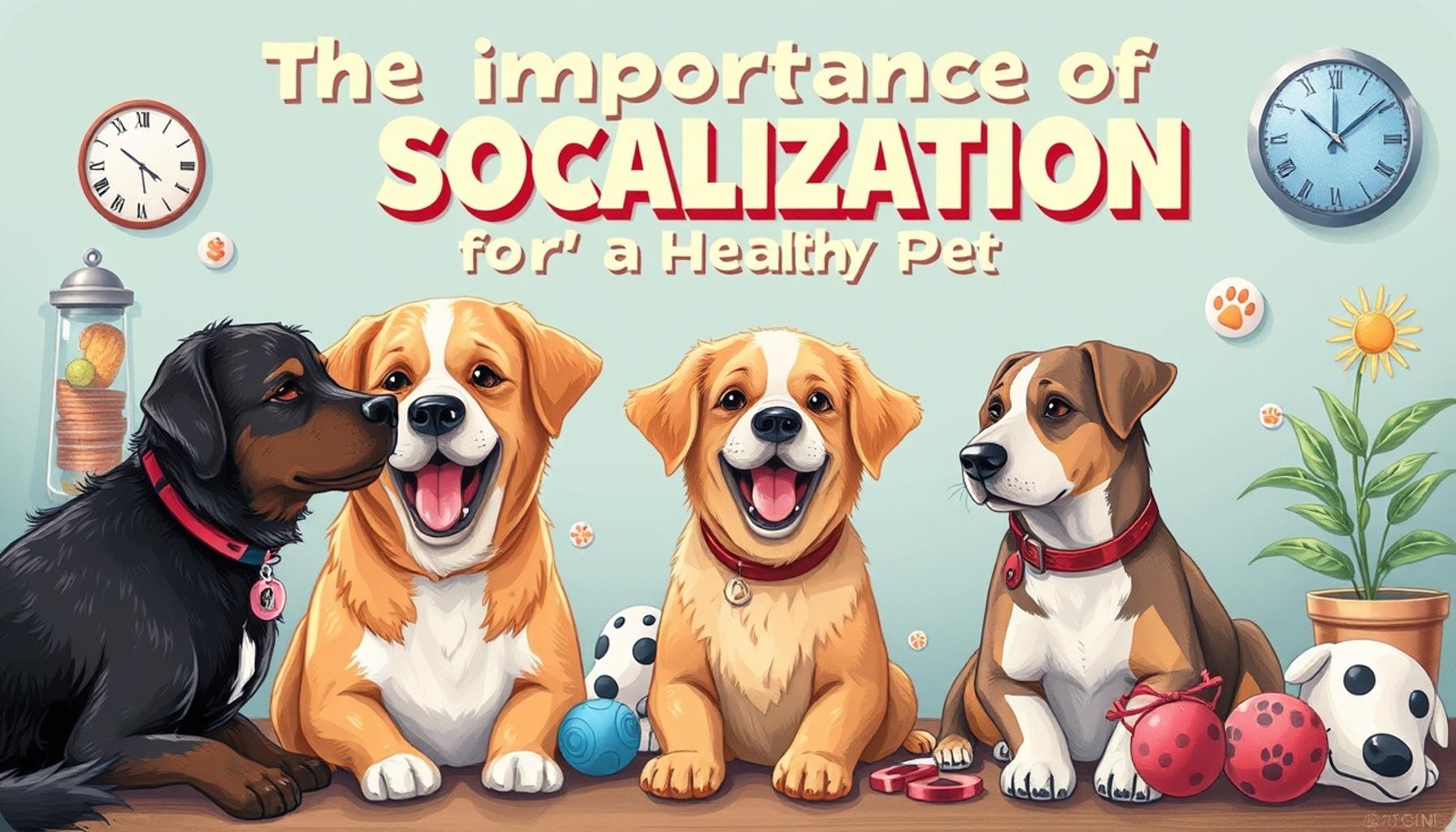
The Importance of Socialization for a Healthy Pet
The Role of Socialization in Your Pet’s Happiness
Every pet owner desires a healthy and happy pet. However, one crucial element that is frequently underestimated is socialization. Engaging your pet positively with others leads to profound effects on their overall well-being. Socialization is more than just letting your furry friends meet other pets; it is about immersing them in a variety of environments and experiences that contribute to their development.
Socialization involves exposing your pet to various settings, people, and other animals. This practice nurtures essential skills that go beyond mere companionship. Here are some of the critical benefits it offers:
- Confidence: Socialized pets are generally more adaptable and encounter less fear when faced with new situations. For instance, a dog that has frequented a bustling dog park may feel more comfortable during an unexpected thunderstorm or when meeting a large group of people.
- Stability: Regular interactions with diverse stimuli help foster emotional resilience. An example is how a cat that has been socialized with various sounds (like vacuum cleaners or children playing) can handle household noises without anxiety.
- Behavior: Properly socialized pets tend to exhibit fewer behavioral problems, making them more pleasant companions. For example, a dog that learned to play nicely with other dogs is less likely to show aggression or possessiveness over toys.
In the United States, it is common to see pets brought to dog parks, pet-friendly stores, and local cafes. Such outings not only serve as recreational activities but as critical learning experiences where pets learn proper social cues and acceptable behaviors. Positive interactions in these environments can effectively teach pets what is deemed appropriate behavior versus what may signal a threat.
Numerous studies indicate that socialization can significantly reduce anxiety and aggression in pets. For instance, a study by the American Veterinary Society of Animal Behavior recommends that new puppy owners focus on socializing their pets during their critical developmental stages, ideally between 3 to 14 weeks of age. However, it is important to note that all pets, regardless of age, can benefit from acquiring new experiences throughout their lives.
Ultimately, prioritizing socialization enhances your pet’s life and strengthens your bond with them. The more they explore and meet different people and animals, the more confidence they build in navigating the world around them. As you consider ways to improve your pet’s quality of life, think about incorporating frequent and varied socialization opportunities into their routine. From doggie play dates to visits to pet-friendly stores, there are countless ways to cultivate a more secure and well-adjusted pet. Discover the myriad possibilities for enhancing your furry friend’s life through effective socialization techniques.
Essential Skills Developed Through Socialization
Socialization plays an integral role in developing essential skills that contribute to the overall health and happiness of your pet. When pets are introduced to a variety of situations and environments, they learn vital lessons that shape their attitudes and reactions to the world. Below are some of the prominent skills that socialization fosters, leading to a more balanced and fulfilling life for your pet:
- Effective Communication: Just like humans, pets have their own ways of communicating. By socializing with other pets, they learn to understand non-verbal cues, such as body language and vocalizations. For instance, a dog that has been around playful puppies learns to interpret playful behavior versus aggressive posturing, allowing for smoother interactions.
- Adaptability to Change: A well-socialized pet is generally more adaptable to new experiences, whether that be a change in environment, the introduction of new family members, or traveling to different places. For example, a cat that has visited friends’ houses is more likely to feel comfortable exploring new surroundings rather than retreating to its owner for comfort.
- Enhanced Play Skills: Socialized pets tend to engage in more appropriate and fun play interactions with others. A dog that has had opportunities to play in various situations has learned the social rules of play, reducing the chances of overreacting or being overwhelmed during interactions.
Moreover, the importance of socialization extends beyond just interactions with fellow pets. It encompasses a range of experiences, including different environments, sounds, and people. Research has shown that pets exposed to a variety of stimuli are often better adjusted and less prone to stress-related behaviors.
In the realm of dog training, trainers often emphasize the significance of “positive socialization experiences.” This means not just exposing pets to new situations, but ensuring those experiences are enjoyable and rewarding. For instance, bringing your dog to a dog-friendly café can be a delightful outing that combines social interaction with positive reinforcement. Such settings allow your pet to explore new smells, scents, and interactions while receiving praise for good behavior, creating positive associations with new situations.
According to the American Kennel Club, many behavioral problems can be traced back to lack of socialization. Through systematic exposure and gradual interactions, you can help prevent issues such as fear, anxiety, and aggression. Socialization should be seen not only as a means to prevent behavior problems but as an essential component of a happy, healthy life for your pet.
The journey of socialization is ongoing, and pet owners are encouraged to integrate these experiences into their daily routines. From attending training classes to simply taking walks in busy environments, every opportunity contributes to a well-rounded social experience for your pet. As you explore the importance of socialization, consider how your own observations can guide your pet’s development into a confident and well-adjusted companion.
The Importance of Socialization for a Healthy Pet
When considering the holistic well-being of our pets, socialization emerges as a crucial factor. This process involves not only exposing pets to various environments and experiences but also introducing them to different people and other animals. The appropriate level of socialization has been shown to significantly influence a pet’s behavior, temperament, and overall functionality in various situations. Socialized pets tend to be less anxious and fearful, making them more adaptable to new scenarios. For instance, a dog that has been socialized with both humans and other dogs is less likely to exhibit aggressive behavior when faced with unfamiliar animals. Furthermore, interactions during early developmental stages can enhance cognitive development, encouraging curiosity and eagerness to learn.To dive deeper into the many benefits of pet socialization, consider the following engaging table:
| Category | Benefits |
|---|---|
| Reduced Anxiety | Socialization helps to lower anxiety levels in pets by familiarizing them with diverse environments and individuals, thus minimizing stress in new situations. |
| Improved Behavior | Regular interaction fosters better behavior, leading to well-adjusted companions that enjoy being around other pets and people. |
By understanding the impact of socialization on our pets, we can appreciate its role in building a foundation for healthy, positive interactions throughout their lives. Engaging with our pets in various social settings not only benefits their emotional well-being but also enhances the bond we share with them. Prioritizing socialization is a vital aspect of pet ownership that ultimately leads to happier and healthier lives for our furry friends.
The Lifelong Benefits of Socialization
Socialization is not merely a phase in a pet’s early development; it is a lifelong journey that requires ongoing attention and effort from pet owners. Engaging pets in socialization activities throughout their lives provides a multitude of advantages that contribute to their mental and emotional well-being.
One of the most striking benefits of socialization is the reduction of stress and anxiety. Pets that have been exposed to various environments and experiences are generally better equipped to handle challenging situations. For instance, a dog that has frequently been exposed to loud noises, such as fireworks or thunderstorms, during sensitive early months is less likely to become anxious or fearful when these events occur later in life. Studies demonstrate that pets who experience positive socialization tend to cope with stress more effectively, resulting in a more relaxed and balanced demeanor. By integrating socialization into their routine, owners can mitigate anxiety and help their pets respond positively to life’s unpredictable moments.
Moreover, regular socialization promotes stronger relationship bonds between pets and their owners. When pets engage in social activities, they experience shared moments of joy, which reinforces their attachment to their humans. For example, participating in a group dog training class not only teaches essential obedience skills but also fosters trust and mutual respect between the pet and its owner. As pets connect with their owners during these bonding experiences, they learn to navigate and enjoy their environment with the safety and reassurance that comes from this companionship.
Socialization positively impacts a pet’s overall health as well. Healthy social interactions lead to increased physical activity, which is essential for maintaining a healthy weight and preventing obesity-related diseases. For instance, participating in regular playdates with other dogs encourages exercise, not only benefiting the pet’s physical well-being but also providing mental stimulation that keeps them engaged and happy. Additionally, socialization can improve a pet’s immune system; studies suggest that pets exposed to different environments and interactions develop more robust immune responses, making them less susceptible to illness.
Understanding Behavioral Changes
While the immediate benefits of socialization are evident, pet owners should also be aware that socialization can serve as a preventative measure against behavioral issues that may develop later in life. Research has shown that pets that engage in consistent social interactions are less likely to exhibit traits of fear-based aggression, excessive barking, and territorial behavior. Behavioral specialists often recommend proactive socialization as a strategy to ensure a positive relationship between pets and their human companions, thereby reducing the chances of encountering issues down the line.
Finally, it’s important to recognize that the realm of socialization for pets is evolving. With the rise of technology and social platforms focused on pets, pet owners can now connect with other pet enthusiasts, share experiences, and organize meetups in their local communities. This not only enhances the social network for pets but also provides a support system for pet owners, facilitating greater learning opportunities and experiences.
In conclusion, the importance of socialization for a healthy pet is a multifaceted concept that encompasses behavioral development, health, and the nurturing of bonds. Pet owners are encouraged to continuously seek out new opportunities for their furry friends to engage with various environments, people, and pets, ensuring a more fulfilling and healthy life for their companions.
Final Thoughts on Pet Socialization
In summary, the importance of socialization for a healthy pet cannot be overstated. It serves not only as a foundation for behavior and development but also plays a crucial role in enhancing a pet’s overall health and happiness. Consistent socialization throughout a pet’s life fosters resilience against anxiety and stress, paving the way for a more stable temperament in various environments. Additionally, healthy relationships between pets and their owners are nurtured through shared experiences, leading to stronger emotional bonds that benefit both parties.
Moreover, the positive effects of socialization extend to promoting physical activity, which is essential in combating obesity and maintaining a strong immune system. With the increasing availability of resources, such as community playgroups and social media platforms for pet enthusiasts, pet owners have unparalleled opportunities to enhance their pets’ social skills and experiences.
As you consider the well-being of your furry companion, remember that socialization is an ongoing journey, not merely a box to check off. Engage your pet in diverse activities that challenge their boundaries and introduce them to new experiences with fellow pets and humans. By prioritizing socialization, you are not only contributing to a well-adjusted pet but also ensuring the enrichment of their life. As they thrive and flourish in a social environment, you will undoubtedly find the rewards of a happy, well-balanced companion by your side.

Beatriz
Beatriz Johnson is a seasoned pet care expert and writer with a passion for simplifying the complexities of pet ownership and animal well-being. With over a decade of experience in the field, she specializes in topics like pet nutrition, training techniques, and health care. Through her work on our website, Beatriz empowers pet owners to make informed decisions and provide the best possible care for their furry friends, ensuring happy and healthy lives for their beloved companions.