Art with Sand: Exploring the Techniques of Creating Ephemeral and Colorful Images
Exploring the World of Sand Art
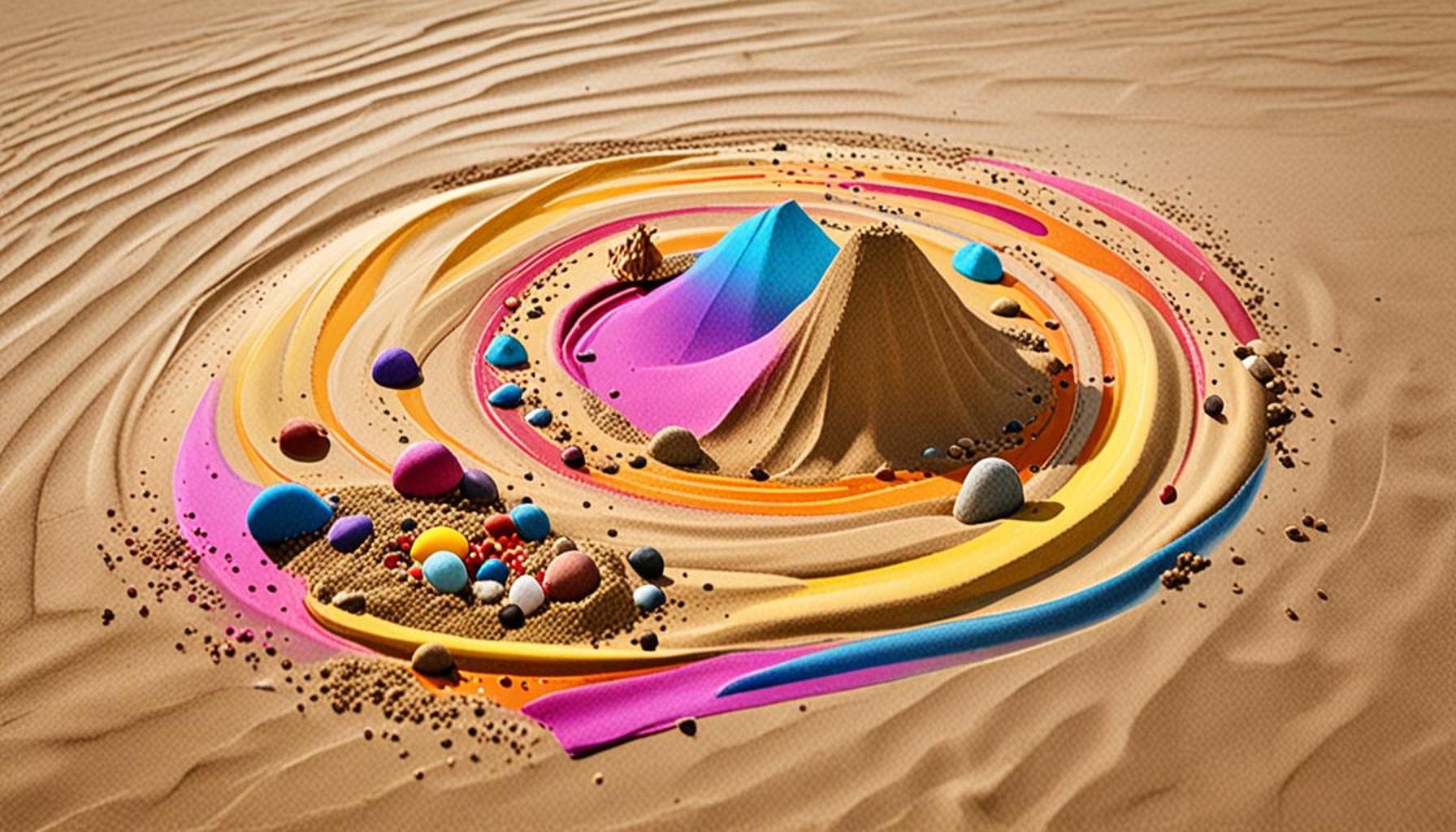
Pushing the boundaries of artistic expression, sand art offers a captivating intersection between creativity and the natural environment. This intriguing art form has gained popularity for its ephemeral beauty, with artists creating temporary masterpieces that capture the imagination and often leave viewers awestruck. The beauty of sand art lies in its very transience; unlike traditional art forms such as painting or sculpture, sand artworks are often here today and gone tomorrow, washed away by tides or blown away by the wind.
Sand art encompasses a variety of techniques, each with its unique aesthetic and cultural significance. Here are some notable forms:
- Sand painting: This ancient technique has deep roots in indigenous cultures, particularly among the Navajo of the United States, who create intricate sand paintings as part of their healing ceremonies. With colored sands meticulously poured to form detailed patterns and figures, these works serve as visual narratives, often rich with spiritual meaning.
- Sand sculpture: Artists around the world showcase their skills through the creation of monumental sculptures, often displayed at local festivals. These large-scale installations, crafted from compacted sand, require artistic vision and engineering know-how to achieve stunning heights and captivating detail. Events like the World Championship Sand Sculpting in the U.S. attract talented sculptors who compete for titles while delighting audiences with their creations.
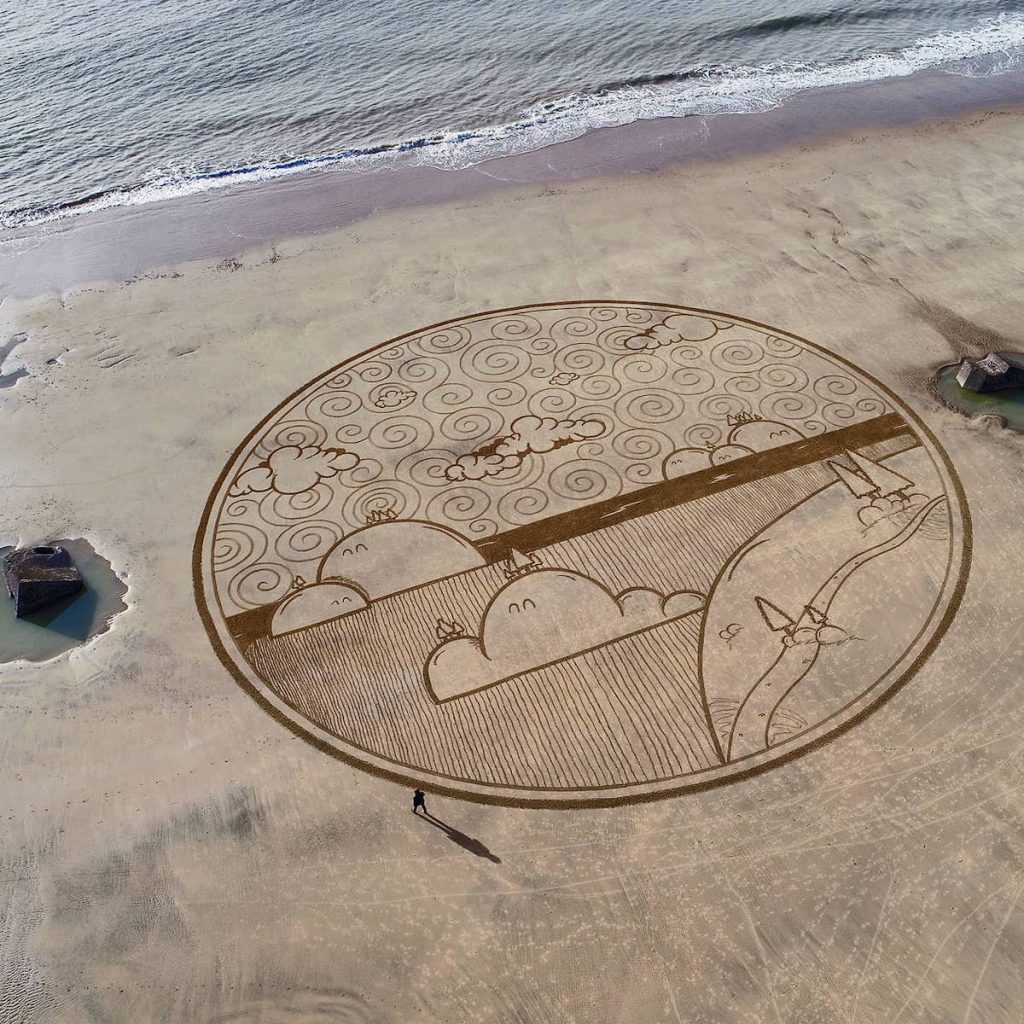
- Beach art: This playful form of sand art invites public participation, encouraging people of all ages to embrace their inner artist. From simple patterns etched into the sand to complex designs that can cover entire beaches, this technique often transforms the shoreline into a living gallery, prompting spontaneous creativity and community engagement.
The versatility of sand as a medium allows artists to explore limitless possibilities. Notable figures like Sandy Feet, known for their mesmerizing shoreline creations, and Andreas Amaduzzi, whose intricate sand sculptures have made waves across the country, exemplify the innovative spirit in the realm of sand art. These artists not only create beautiful works but also raise awareness about environmental issues, inspiring the public to appreciate and protect our natural landscapes.
As we journey through the rich history and various techniques of sand art, we uncover a world filled with wonder, creativity, and a natural connection that speaks to the soul. The ephemeral sand images serve as a reminder of art’s ever-changing nature, pushing us to reflect on the beauty around us and the fleeting moments we often take for granted. Prepare to be inspired as we explore the colorful landscape of sand art, a remarkable blend of nature and human ingenuity that invites everyone to partake in its magical experience.
DISCOVER MORE: Click here for creative ideas
Diving Deeper into Sand Art Techniques
At its core, sand art is not just about stunning visuals; it is a dialogue between the artist, nature, and the viewers. The process of creating art with sand is often as significant as the finished work itself, showcasing a unique blend of technique, skill, and sensory experience. In this exploration of sand art techniques, we delve into the behind-the-scenes craftsmanship that brings these breathtaking creations to life.
The Art of Sand Painting
Sand painting stands out as one of the oldest forms of sand art, with its origins traced back to various indigenous cultures. This technique involves the meticulous pouring of colored sand onto a surface to create intricate patterns or images, often as part of ceremonial practices. In Navajo culture, for instance, sand paintings are created during healing rituals, symbolizing the restoration of balance and harmony. Each design is meticulously crafted, revealing stories and spiritual meanings embedded within the colors and forms.
Modern artists have embraced sand painting, expanding its reach beyond traditional contexts. They experiment with different materials and techniques, such as mixing sand with adhesive substances to create more permanent pieces. Whether in a gallery setting or on a sandy beach, sand painting continues to evolve, captivating audiences with its depth and cultural significance.
Mastering Sand Sculpture Techniques
Sand sculpture is another compelling facet of sand art that draws attention worldwide. The art of sculpting sand involves compressing wet sand into a solid mass, allowing for the creation of elaborate forms and large-scale installations. Artists employ a variety of tools and techniques, from simple buckets and shovels to more sophisticated carving instruments, reminiscent of traditional stone carving.
Events like the World Championship Sand Sculpting provide a platform for master sculptors to showcase their talents. Competitors are challenged to create massive structures that are not only visually striking but also structurally sound. Each sculpture tells a story, whether it’s a whimsical representation of fantasy creatures or a poignant reflection on societal issues. These events attract spectators who are often left in awe by the creativity and skill displayed in these temporary works of art.
Engaging in Beach Art
Beach art invites a spirit of community and collaboration, transforming expansive shorelines into vibrant canvases. Engaging both locals and tourists, this art form encourages individuals to explore their creative sides, creating everything from simple footprints to complex geometric patterns. The beauty of beach art lies in its accessibility; anyone with a handful of sand can contribute to a communal masterpiece. As tides wash away the creations, there is a profound sense of impermanence that inspires a deeper appreciation for the moment.
Through these various techniques, artists not only express their creativity but also evoke feelings of nostalgia, joy, and community. Sand art serves as a reminder of the fleeting nature of beauty, encouraging us to participate in an ever-changing artistic dialogue. As we continue to explore this vividly colorful realm, we find a unique blend of tradition and innovation that encapsulates the essence of art with sand.
| Advantages | Techniques |
|---|---|
| Creativity Enhancement | Sand art allows for limitless artistic expression, fostering innovation through texture and color. |
| Therapeutic Benefits | Techniques such as playing with sand provide relaxation and mindfulness, helping to relieve stress. |
| Community Engagement | Collaborative projects promote social interaction and collective creativity. |
| Sustainability Awareness | Using natural materials like sand encourages eco-friendly practices and appreciation for nature. |
The techniques for creating sand art vary from intricate designs that require precision to freeform styles that capture spontaneous beauty. Artists often manipulate sand through methods such as layering, pouring, and raking, resulting in unique visual patterns that transform as the light plays over the grains. The ephemeral nature of sand art invites observers to appreciate the present moment, as these colorful creations are often temporary, washed away by tides or blown away by winds, leaving no traces behind. This aspect alone sparks curiosity and a sense of wonder, encouraging viewers to consider the fleeting beauty of life itself.Additionally, workshops focusing on sand art spread awareness of its cultural significance across different societies that have utilized the medium for storytelling, rituals, and celebrations. By exploring these techniques, individuals not only learn about the art form but also engage deeply with the historical context of sand art’s role in various cultures, enriching their knowledge and appreciation further.
DISCOVER MORE: Click here to delve deeper
Innovations in Sand Art: New Techniques and Trends
As traditional techniques flourish, contemporary artists are embracing innovative approaches to sand art that challenge the boundaries of this ephemeral medium. From interactive installations to digital integration, these advancements highlight how technology and creativity converge to redefine the art world.
Sand Mandala: Bridging Cultures and Spirituality
Sand mandalas are an exquisite exemplification of how sand art can transcend cultural boundaries. Originating from Tibetan Buddhist traditions, these intricate designs are painstakingly crafted with colored sand, symbolizing the impermanence of life. Once completed, the mandala is ceremoniously destroyed, reinforcing the concept that beauty exists only in the moment.
Modern artists are drawing inspiration from this practice, incorporating sand mandalas into contemporary art installations and workshops. For instance, community mandala projects encourage participants of all ages to contribute, fostering a sense of unity while celebrating cultural heritage. This participatory approach not only enhances the viewing experience but also emphasizes the spiritual and meditative aspects inherent in creating sand art.
Technological Advances: Blending Art and Science
The integration of technology into sand art is reshaping the way artists create and exhibit their work. Digital tools and apps that simulate sand painting allow artists to experiment with design before executing it in real life. Virtual reality (VR) environments also enable viewers to immerse themselves in sand art, exploring 3D spaces without the constraints of physical materials.
Moreover, techniques such as sandblasting and laser cutting are introducing a new dimension to traditional sand art. Artists can now create detailed, precise designs that challenge the notion of ephemerality. For example, sculptor Sandy Lee is known for combining sand into elaborate, semi-permanent displays using these high-tech tools, elevating the discussion around the sustainability of art forms that traditionally embody transience.
The Rise of Kinetic Sand Art
Kinetic sand art has emerged as an exciting trend, captivating audiences with its tactile and dynamic qualities. This form of sand art utilizes a blend of sand and silicone to create a moldable yet compliant medium. Artists can manipulate kinetic sand in various ways, crafting everything from temporary sculptures to interactive installations where the audience can engage and leave their mark.
The therapeutic qualities of kinetic sand have also sparked interest, with workshops utilizing this medium for stress relief and mindfulness exercises. This fusion of art and mental well-being underscores the versatility of sand as a medium, reinforcing its relevance in today’s fast-paced world.
Environmental Awareness: Eco-Friendly Sand Art
As society grows increasingly conscious of environmental issues, artists are responding by adopting sustainable practices in their sand art. Utilizing naturally sourced materials and advocating for beach cleanup initiatives, contemporary sand artists are emphasizing the preservation of their chosen canvas—the beaches.
Initiatives like the Sand Sculpture Festival not only showcase artistic talent but also raise awareness about coastal erosion and ocean conservation. These programs inspire artists to consider the environmental impact of their work, ensuring that sand art continues to be a celebration of beauty while advocating for the natural world.
Through the lens of innovation and awareness, the realm of sand art continues to expand, inviting audiences to explore not just the art itself but also the messages, emotions, and stories that accompany each colorful grain. The marriage of tradition and modernity creates a vibrant tapestry that reflects the diverse perspectives of artists working with sand today, inspiring deeper connections to art in all its forms.
DISCOVER MORE: Click here to learn about the power of community
Conclusion: The Enduring Legacy of Sand Art
In closing, the world of sand art is a vibrant tapestry woven from tradition, innovation, and cultural significance. As artists continue to explore new techniques—from the intricate pathways of sand mandalas to the mesmerizing appeal of kinetic sand art—each project captures the essence of impermanence and beauty. The ephemeral nature of sand art compels both creators and audiences to appreciate the fleeting moments of creativity that arise before the inevitable dissolution of each piece.
Moreover, the integration of technology into this ancient craft opens up exciting possibilities, offering expanded forms of expression that challenge conventional perceptions. From virtual reality experiences to interactive installations, contemporary sand art fosters engagement and curiosity, inviting viewers to delve deeper into the narrative behind each creation.
As environmental consciousness grows, sand artists are increasingly mindful of their materials and messages, advocating for sustainability and the preservation of natural landscapes. This emphasis on the environment not only enhances the significance of their work but also serves as a catalyst for community involvement and awareness surrounding ecological issues.
Ultimately, exploring the techniques of creating ephemeral and colorful images with sand reveals much more than artistic methods; it uncovers profound connections to culture, technology, and environmental stewardship. Each grain of sand becomes a symbol of unity in diversity, shaping a narrative that resonates across boundaries and generations. As we engage with this art form, we are reminded to cherish the moment while contemplating the lasting impressions left in our minds.