Music as a Tool for Cultural Connection: Exploring Roots and Influences
Unveiling Cultural Connections Through Music
Throughout history, music has served as a powerful medium for bridging gaps between cultures. From traditional folk songs to contemporary genres, it encapsulates our identities, experiences, and shared histories. This article delves into how music functions as a vibrant tool for cultural connection.
Consider the diverse influences that shape American music:
- Jazz – This genre originated in the late 19th and early 20th centuries within African American communities in New Orleans. Jazz is not just a style of music; it symbolizes the struggle against racial oppression and the resilience of its creators. Iconic figures such as Louis Armstrong and Duke Ellington transformed music with their improvisational skills, allowing them to express their cultural identity while also influencing global music trends.
- Country – With roots in folk traditions from immigrants, including Irish, Scottish, and African influences, American country music tells the poignant stories of rural life and the experiences of working-class America. Artists like Johnny Cash and Dolly Parton have used this genre to share stories about love, loss, and perseverance, resonating deeply with audiences and highlighting regional narratives.
- Hip-Hop – Emerging in the 1970s from the Bronx’s African American and Latino communities, hip-hop has evolved into a cultural movement that encompasses music, dance, art, and poetry. Not only does it provide a platform for voices often marginalized in society, but it also reflects socio-political issues and cultural identity. Trailblazers like Tupac Shakur and Missy Elliott have addressed themes ranging from systemic inequality to empowerment, forging connections across diverse backgrounds.
- Rock – Developed in the 1950s by combining elements of blues, jazz, and country, rock music has narrated stories of rebellion, love, and freedom. Its evolution has spawned various subgenres that mirror social changes, with legends like Bob Dylan and Jimi Hendrix using their music as a form of protest and cultural commentary. Today, rock continues to resonate, though it frequently intersects with genres like pop and electronic music.
Through these varied genres, listeners can explore a tapestry of cultural narratives. Music transcends linguistic barriers, allowing individuals to connect on a deeper emotional level. The power of music lies in its ability to unify people from different backgrounds, fostering empathy and understanding. It serves as a cultural touchstone that invites listeners to engage with unfamiliar experiences and viewpoints, enriching their own lives in the process.
As we move forward, it is crucial to recognize how music not only reflects our cultural roots but also influences and unites us across boundaries. By celebrating the diversity within music, we can appreciate its role in weaving a collective fabric of human experience, encouraging dialogue, and promoting societal change. This exploration of musical heritage challenges us to listen more intently and engage more fully, revealing the profound connections that lie within the rhythm of songs and the stories they tell.
DISCOVER MORE: Click here to delve deeper
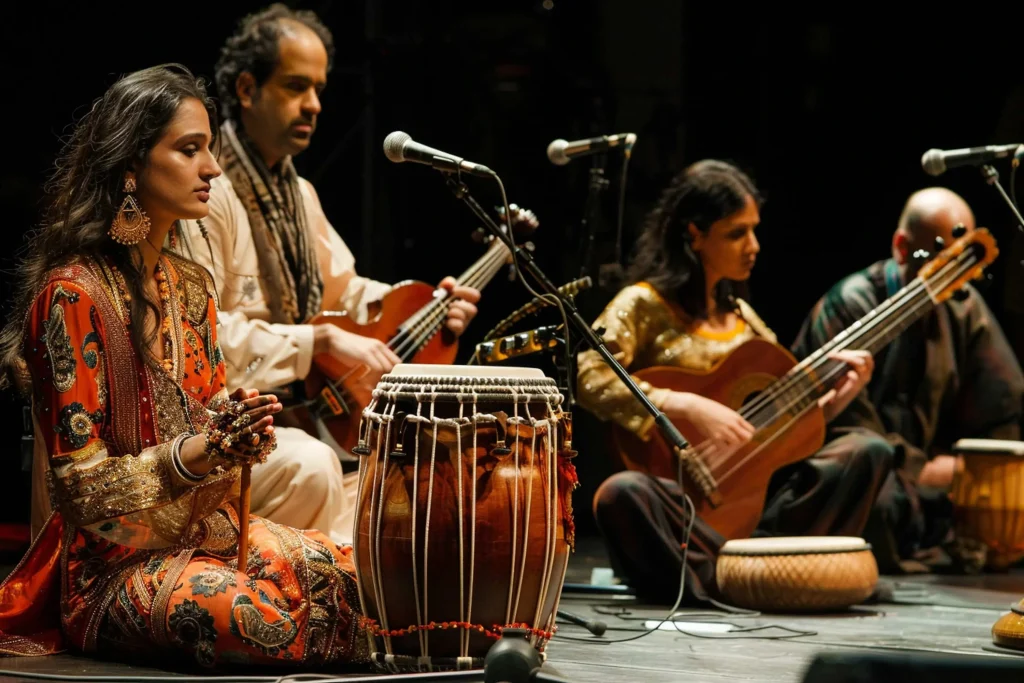
Genres as Cultural Chronicles
To truly appreciate music as a tool for cultural connection, one must delve into the diverse genres that have emerged over the years. Each genre serves as a chronicle of cultural experiences, reflecting the values, struggles, and aspirations of the people who create and consume them. Understanding the roots of these musical forms can illuminate the intricate web of influences that shape our collective identity.
Folk Music: The Heartbeat of Tradition
Folk music is often considered the heartbeat of many cultures, embodying the oral traditions and narratives of communities. In the United States, folk music has roots in the traditions of various ethnic groups, including Irish, German, African, and Native American influences. Songs like “This Land is Your Land” by Woody Guthrie capture the spirit of America’s landscapes and social issues, providing a sense of shared belonging. Folk festivals, which bring together diverse artists and audiences, not only honor these roots but also create spaces for cultural exchange.
Reggae: A Voice for Resistance
Originating in Jamaica during the late 1960s, reggae music emerged as a powerful vehicle for expressing social and political commentary. Artists like Bob Marley used reggae to address themes of oppression, unity, and resistance, transcending geographical boundaries. The genre’s infectious rhythms and profound messages have inspired movements worldwide, from anti-apartheid efforts in South Africa to contemporary social justice campaigns in the United States. Reggae serves as a reminder of how music can articulate the struggles of marginalized communities, making it a critical component of cultural dialogue.
Classical Music: The Universal Language
While folk, reggae, and other popular genres often highlight specific cultural narratives, classical music serves as a universal language that can foster connections across various cultures. Composers like Ludwig van Beethoven and Igor Stravinsky have pushed boundaries, drawing inspiration from a multitude of sources. Modern classical music, such as pieces by Philip Glass or Tan Dun, often intertwines traditional elements from different cultures, demonstrating the ability of classical forms to embrace global influences. Concerts featuring diverse orchestras allow musicians to collaborate and share their unique heritages, enriching the audience’s cultural experience.
The Fusion of Genres: A Modern Melting Pot
Today, genre fusion reflects the increasingly interconnected world we live in. Artists like Shakira blend Latin rhythms with pop music, while the genre-bending collaborations of musicians like Lil Nas X showcase how cross-cultural connections can lead to innovative sounds. This fusion not only entertains but also challenges listeners to embrace diversity, sparking curiosity about different cultural backgrounds. By redefining genre boundaries, musicians contribute to a dynamic cultural landscape, encouraging meaningful conversations about identity and heritage.
Each of these examples highlights the profound role music plays in shaping our understanding of culture and identity. As we engage with various musical styles, we uncover stories that resonate across time and space, revealing the power of music to connect individuals from all walks of life. This exploration invites us to celebrate the myriad influences that shape our world and to recognize music as an ever-evolving tapestry of shared human experiences.
Music as a Universal Language
Music transcends boundaries, acting as a universal language that unites individuals across diverse cultures. This phenomenon can be seen in various global music festivals that celebrate a rich tapestry of musical traditions. The shared experience of music allows for mutual understanding and empathy, fostering connections that would otherwise be unachievable. An example of this is the annual World Music Festival, which showcases artists from multiple countries, offering attendees a glimpse into unique cultural backgrounds and traditions through performance.Moreover, music plays a pivotal role in preserving cultural heritage. Traditional music styles, instruments, and folk songs serve as vessels of history and identity, passed down through generations. Cultures such as the Aboriginal peoples of Australia use music to share stories and languages, preserving their existence against the backdrop of modernity. This blend of storytelling and musical expression strengthens cultural identities and provides a sense of belonging.Importantly, the intersection of music and technology has opened new avenues for cultural exchange. With the rise of streaming platforms, artists can showcase their work to global audiences, helping to spread their cultural nuances. By blending traditional and contemporary styles, musicians like Yo-Yo Ma have pioneered genre-bending works that resonate across cultural lines, inviting listeners to experience the richness of various influences.Furthermore, music education programs in schools around the world reinforce this cultural connectivity by allowing students to engage with music from various backgrounds. Learning to appreciate and understand different musical styles cultivates respect and curiosity about global cultures, ultimately enhancing social cohesion.In essence, music is not just an art form; it is a powerful tool for cultural connection. Its ability to bridge gaps and foster unity makes it invaluable in our increasingly interconnected world.
| Aspects of Cultural Connection | Key Benefits |
|---|---|
| Collaboration Between Cultures | Promotes understanding and breaks stereotypes. |
| Preservation of Traditions | Protects cultural identities and promotes heritage. |
| Educational Outreach | Encourages awareness and appreciation of diversity. |
| Technological Integration | Facilitates global collaboration and innovation in music. |
The exploration of music as a fundamental element of cultural connection continues to reveal its profound impact, encouraging dialogue, connection, and understanding among people from all walks of life.
DIVE DEEPER: Click here for exciting DIY projects for kids
Soundscapes of Identity
As we dive deeper into the connection between music and culture, it’s vital to explore how cultural identity is expressed through soundscapes uniquely tied to specific regions and their histories. Various forms of music not only encapsulate the mood and rhythm of life within a community but also serve as an audible representation of its traditions, beliefs, and collective memory.
Jazz: The Birth of American Innovation
Born in the African American communities of New Orleans in the late 19th and early 20th centuries, jazz represents a profound cultural moment, blending elements of African rhythms, blues, and ragtime. The improvisational nature of jazz reflects a spirit of freedom and innovation, which many see as a mirror to America’s evolving social landscape. Artists like Louis Armstrong and Duke Ellington not only pioneered new musical forms but also pushed against the boundaries of racial inequality. The annual Newport Jazz Festival and similar events continue to celebrate this genre, promoting cultural dialogue and affirming jazz as a vital part of American identity.
Hip-Hop: The Voice of the Underground
Emerging from the streets of the Bronx in the 1970s, hip-hop has evolved into a powerful platform for storytelling and cultural expression. Artists like Grandmaster Flash and Afrika Bambaataa used their music to address issues of poverty, racism, and social justice, reflecting the lived experiences of marginalized communities. The genre’s influence has spread globally, leading to the rise of diverse subgenres such as trap and grime, each infusing local cultures and experiences into the fabric of hip-hop. Festivals like the Rolling Loud Festival showcase these diverse voices, uniting audiences in a shared appreciation for the cultural and social narratives embedded within the music.
Global Beats: World Music and Cultural Exchange
The term world music encompasses a vast array of sounds that highlight cultural traditions beyond Western music. Artists like Angélique Kidjo and Yo-Yo Ma collaborate to fuse Western classical music with African and Asian influences, creating unique musical tapestries that open doors to unfamiliar cultural landscapes. This genre encourages intercultural dialogues and cooperation, as audiences are invited to explore these diverse sounds. Initiatives like the Womad Festival promote global music, further bridging the cultural divides and fostering understanding among different peoples.
Street Music: The Pulse of Urban Culture
Street music, found in urban environments across the United States, serves as a visceral representation of contemporary culture and urban identity. From the strumming of guitars in city parks to the rhythmic beats of buskers narrating life stories on busy sidewalks, street performances reflect the dynamic spirit of community engagement. Cities like New Orleans, with its vibrant street performances, capture a rich cultural tapestry where jazz, blues, and R&B coexist within the fabric of everyday life. These impromptu concerts not only entertain passersby but also create connections among diverse groups, emphasizing the communal aspect of musical enjoyment.
Exploring these varying soundscapes deepens our understanding of the intersections between music and cultural identity. Through the lens of genres like jazz, hip-hop, world music, and street performances, we glimpse the rich narratives that shape communities. Each note and lyric carries with it the weight of collective histories and hopes, underscoring the transformative power of music as a vessel for cultural connection.
DIVE DEEPER: Click here to discover more
Conclusion: The Harmonious Threads of Cultural Connection
In an increasingly interconnected world, the exploration of music as a tool for cultural connection opens new pathways for understanding and appreciation among diverse communities. From the rhythmic improvisations of jazz that echo the struggles and triumphs of African American history to the compelling narratives of hip-hop, which amplify marginalized voices, music acts as both a reflection and a catalyst for social change. Through world music, artists transcend geographical barriers, uniting listeners through harmonious collaborations that celebrate cultural diversity while fostering empathy and dialogue.
Furthermore, the organic nature of street music captures the pulse of urban culture, where spontaneous performances serve as a reminder of the vibrant community spirit that thrives in city landscapes. Each chord and verse enveloped in daily life encompasses shared experiences, reinforcing our collective identities. It beckons us to engage actively with the cultural influences that shape our individual and communal narratives.
As we immerse ourselves in the rich soundscapes that define various cultures, we not only witness the artistic expression of heritage but also the universal language of connection. Embracing this multifaceted musical journey encourages us to discover more about our roots and the cultural influences of others, ultimately weaving a richer tapestry of human experience. As we listen and learn, we are reminded that music has the incredible power to transcend borders and speak to the very essence of what it means to be human.