The Intersection of Music with Other Arts: How Multimodality Enriches the Creative Experience
Creative Collaborations in the Arts
Throughout history, music has served not only as an independent artistic expression but also as a powerful catalyst for collaboration among various forms of art. This multimodality creates an intricate web of sensory experiences that can evoke deep emotional responses and broaden artistic horizons for both creators and audiences alike.
When examining the intersection of music with other art forms, it’s clear that each collaboration brings unique value to the artistic ecosystem. Consider the union of music with:
- Dance: Choreography is intrinsically connected to rhythmic soundscapes. Take the renowned performances of Dance Theatre of Harlem, where each graceful movement tells a distinct story, perfectly synchronized with the accompanying music. The weight of a heavy note might inspire a dramatic leap, while a delicate melody encourages fluid, soft movements. This synergy creates a narrative that is complex and deeply engaging.
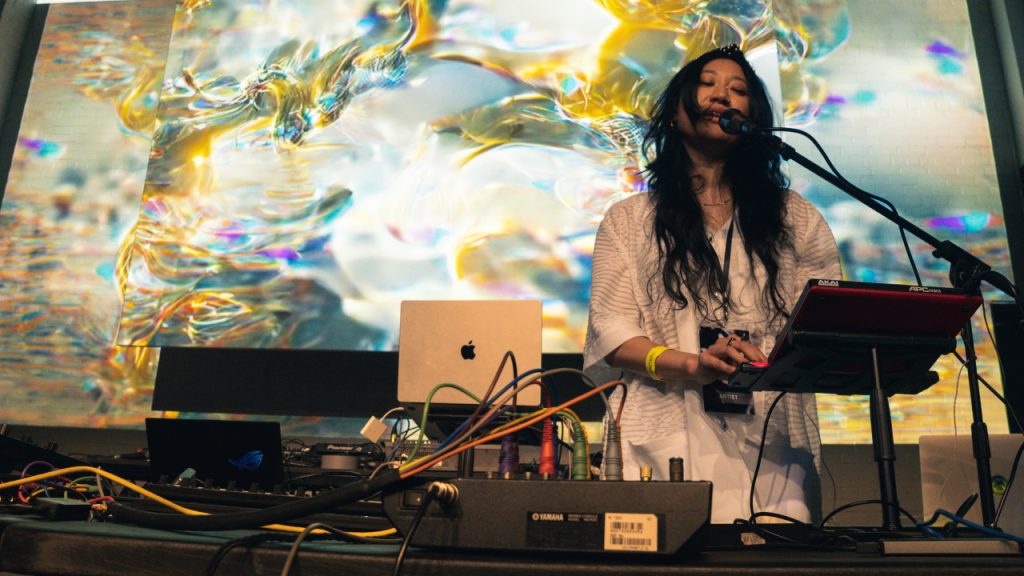
- Visual Arts: Musicians often enhance their performances with visually stunning light shows, as seen in concerts by artists like Beyoncé or Coldplay. Here, visuals are not merely an accessory but rather an essential element that elevates the musical experience. Engaging projections and vivid imagery immerse the audience, creating a holistic journey through sound and sight that resonates long after the last note fades.
- Theater: In theatrical productions, soundtracks play a critical role in establishing tone and mood. For example, the score of a classic musical like The Phantom of the Opera enhances the emotional depth of the story, guiding the audience through moments of tension, joy, and heartbreak. The blending of music and drama provides an enriched narrative experience, drawing viewers even further into the storytellers’ world.
- Literature: The relationship between lyrics and poetry is profound, offering a unique rhythm and flow that invites readers to engage on multiple levels. Artists such as Bob Dylan and Lauryn Hill have crafted lyrics that stand alone as powerful poetry while also conveying deeper stories through the accompanying music. This symbiotic relationship encourages a dialogue between written and auditory storytelling, inviting reflection and connection.
The merging of these art forms not only enhances artistic endeavors but also paves the way for innovative practices in art education, production, and audience engagement. By embracing multimodal practices, artists challenge traditional notions of creativity, inviting spectators to interact with work in dynamic and multifaceted ways.
As we delve into these exciting collaborations, it’s important to consider: What fresh perspectives can arise from these artistic dialogues? What innovations lay on the horizon as music continues to intertwine with other forms of expression? Exploring these questions offers valuable insights into the evolving landscape of art and challenges us to appreciate the interconnected world of creative expression.
DIVE DEEPER: Click here to learn more
Exploring Interdisciplinary Approaches
The convergence of music and other art forms invites a rich tapestry of interdisciplinary approaches that challenge our understanding of creativity. As the lines blur between different artistic sectors, creators harness the power of multimodality to convey more complex narratives and emotions. This fusion not only enhances artistic depth but also enables audiences to experience art in ways previously thought impossible.
One notable example is the collaboration between music and film. The music score of a film is much more than mere background sound; it actively shapes the viewer’s emotional state and enhances the storytelling. Iconic films such as Star Wars and The Lion King are equipped with soundtracks that have become cultural landmarks, illustrating how vital music is in delivering a cinematic experience. According to a study conducted by the University of Southern California, music can alter the perception of images, allowing viewers to engage more deeply with the film’s narrative.
Moreover, the integration of music in fashion presents another fascinating exploration of the intersection of arts. Fashion shows often rely on soundtracks to create mood and atmosphere. Designers like Alexander McQueen and Chanel have effectively used music to enhance their runway presentations, turning them into immersive experiences that celebrate both visual and auditory beauty. Music not only sets the tone but also showcases the emotional intent behind each garment, as seen in the theatrical music choices that accompany collections.
The culinary arts have also begun to embrace the synergy of music. Restaurants and culinary experiences are increasingly using curated playlists to elevate dining. The auditory ambiance enhances the flavors and presentation of dishes, transforming a mere meal into a multisensory adventure. Studies have shown that the right music can enhance the perception of taste, allowing diners to appreciate their culinary experience more holistically.
In learning to appreciate the integration of these artistic mediums, audiences have been empowered to expand their conceptions of creativity. Here are some benefits stemming from the interaction of music with various art forms:
- Enhanced Emotional Connection: By engaging multiple senses, audiences develop a deeper emotional investment in the artistic experience.
- Innovative Creative Practices: The mixing of disciplines inspires artists to experiment beyond traditional boundaries, resulting in groundbreaking work.
- Expanded Audience Reach: Multimodal art attracts diverse audiences, encouraging participation from individuals who may not typically engage with a single form of art.
- Strengthened Cultural Narratives: By weaving together different artistic expressions, the stories told become richer and more resonant within cultural contexts.
Furthermore, as we investigate the impact of multimodality in the arts, the potential for future collaborations becomes increasingly apparent. What artistic landscapes may emerge as we embrace these cross-disciplinary endeavors? The answers are as complex and varied as the intersections themselves, paving the way for a creatively enriched future that beckons exploration.
| Category | Key Features |
|---|---|
| Cross-Disciplinary Collaboration | Integration of music with visual arts, theatre, and literature enhances creative expression. |
| Emotional Resonance | Music can evoke emotions that amplify the themes in various artistic forms, creating a profound impact. |
| Auditory-Visual Experiences | Multimodal projects blend sound and visuals that engage audiences on multiple sensory levels. |
| Cultural Exchange | Collaboration between artists from diverse backgrounds enriches the narrative and aesthetic quality. |
The intersection of music with other arts fosters a unique environment where creativity thrives. The fusion of sound with visual elements, performance, and narrative not only enhances individual artistic expression but also creates community-centric experiences that resonate across cultural boundaries. For instance, consider the influence of soundtracks in cinema — they guide narratives while evoking emotional responses from the audience. Furthermore, music-infused visual art installations become immersive experiences, inviting viewers not just to see but to feel the art.Collaboration among artists from differing fields generates rich dialogues that reflect varying perspectives, ensuring a dynamic exchange of ideas. This fluidity between disciplines cultivates an atmosphere where artists can explore uncharted territories, pushing the limits of creativity. The next wave of innovation in the arts lies at this nexus, inviting both creators and audiences to engage in meaningful exploration and appreciation of diverse art forms, ultimately fostering a more inclusive and vibrant artistic community.
DISCOVER MORE: Click here to enhance your smart home
The Role of Technology in Multimodal Artistry
In an age dominated by technological advancements, the intersection of music with other arts has been profoundly influenced by new tools and platforms that encourage collaboration and innovation. Technology not only facilitates the blending of different artistic mediums but also enhances the ways audiences engage with these art forms. This intertwining of disciplines creates an evolving landscape that is as vibrant as it is complex.
One area where technology has played a pivotal role is in the world of interactive art installations. Artists are increasingly incorporating sound into mixed-media projects, inviting viewers to participate and engage with the work on multiple sensory levels. For instance, interactive exhibitions like teamLab’s “Borderless” in Tokyo showcase how music can dynamically alter visual displays, allowing visitors to manipulate sound and image in real-time. Such experiences redefine the user-audience relationship, transforming passive observers into active contributors, thus enriching the overall artistic experience.
The rise of virtual reality (VR) has also created new avenues for the fusion of music and other art forms. Immersive experiences, such as the VR concerts created by organizations like Oculus Venues, allow users to step into a digital realm where they can experience live music performances alongside visual art displays in 360 degrees. This combination offers a multi-dimensional encounter that engages both auditory and visual senses, amplifying the emotional impact of the performance.
Another significant influence of technology is seen within the sphere of music video production. Directors and musicians are harnessing advanced graphics, animations, and visual storytelling techniques to create music videos that often stand alone as profound artistic statements. The work of artists like Beyoncé in her visual album Lemonade exemplifies this convergence, as rich visual narratives interlace with the music, offering commentary on culture, identity, and personal struggle. The resultant product is not only visually stimulating but also deepens the listener’s connection to the music itself, prompting further discussion and analysis.
The phenomenon of social media platforms exacerbates this intersection by providing artists with a stage to showcase and blend their work. Platforms like Instagram and TikTok have had transformative effects on how music and visual arts coalesce. Applications like TikTok allow creators to use snippets of music alongside short videos, leading to viral phenomena that can change the trajectory of an artist’s career overnight. This fusion enables both musicians and visual artists to reach wider audiences without traditional gatekeepers, amplifying the potential for novel collaborations.
Moreover, the education sector has embraced multimodality, inspiring a generation of artists to think beyond silos. Educational institutions are increasingly offering interdisciplinary programs that combine music, visual arts, performing arts, and technology. These initiatives not only prepare students for the evolving landscape of the arts but also foster innovation and creativity. Students emerge from these programs equipped to cross-pollinate ideas and express themselves in multifaceted ways, leading to a new wave of artistic expression that challenges conventions.
As we witness the potential of technology to heighten the intersection of music with other arts, the landscape of creative expression continues to expand. The invitation for artists to explore new methodologies and collaborate across disciplines is becoming a norm, propelling the creative experience into uncharted territories.
DIVE DEEPER: Click here to discover the rhythm of words
Conclusion
In summary, the intersection of music with other arts stands as a testament to the power of multidimensional creativity. As we delve into this rich tapestry of artistic expression, it becomes evident that the fusion of music with visual arts, performance, technology, and interactive media not only broadens the scope of individual artistry but also transforms the experience for audiences. Through innovative platforms and immersive technologies, artists are empowered to craft experiences that engage and resonate on numerous sensory levels, prompting a deeper emotional connection between creator and spectator.
Furthermore, as educational institutions promote interdisciplinary programs, a new generation of artists emerges—one equipped to navigate and merge diverse mediums. This paradigm shift fosters collaboration and encourages the evolution of art forms that defy traditional limitations. As artists increasingly embrace robust multimodal practices, they have the potential to challenge cultural norms and inspire critical discourse on pertinent societal issues.
As we look toward the future, the synthesis of music with other artistic realms invites curators, critics, and creators to engage in cross-disciplinary dialogues that further enrich the creative experience. The prospects for innovation within this intersection are boundless, leaving ample space for exploration and discovery. The ongoing evolution of creativity serves as a reminder that at the confluence of various art forms, new narratives, ideas, and expressions await to be unveiled. For those willing to participate in this multidimensional conversation, the artistic landscape promises to be ever more fascinating and impactful.