Strategies to Promote the Emotional Well-Being of Pets in Urban Environments
Understanding Urban Pet Challenges
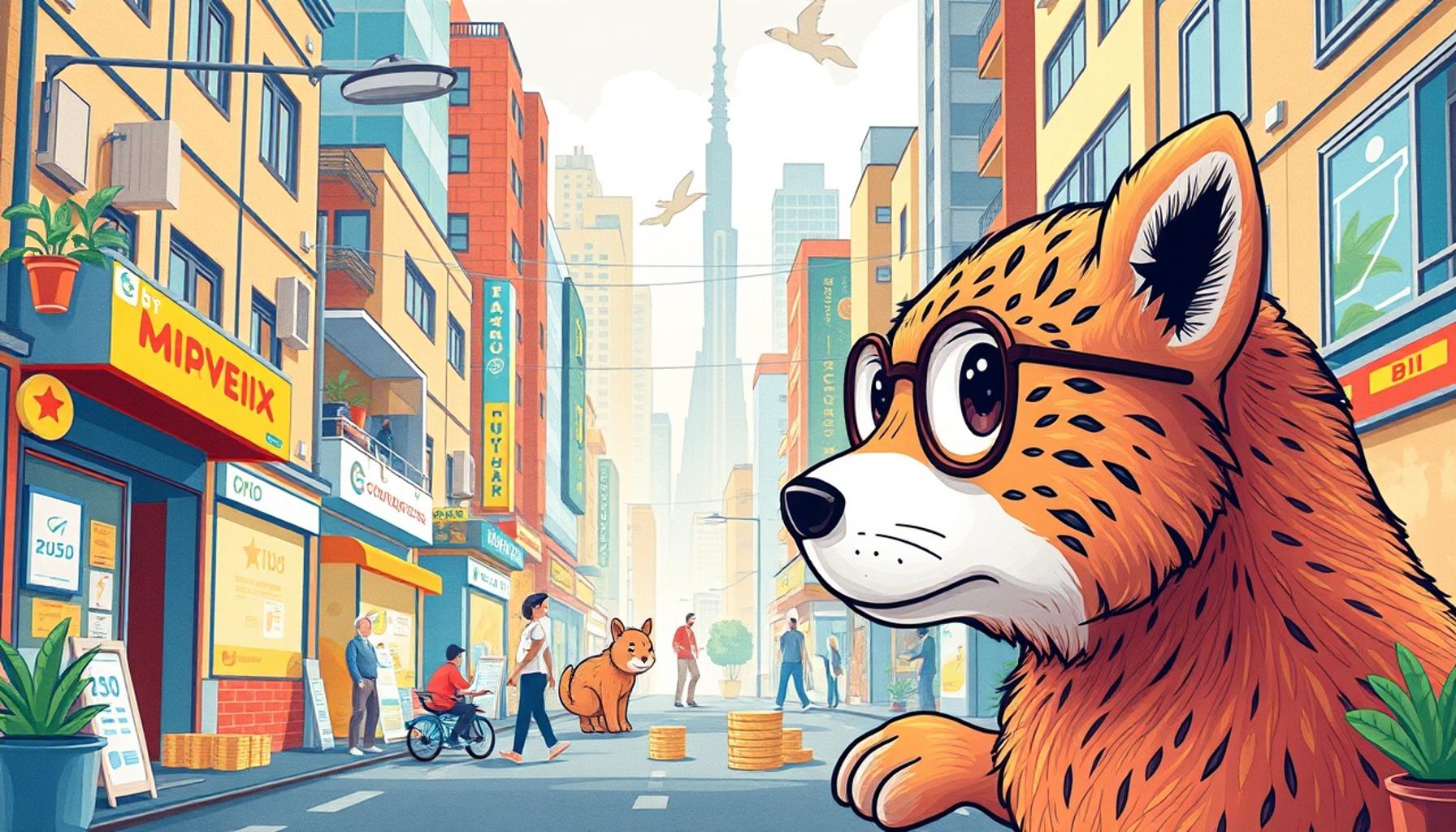
In today’s fast-paced urban landscapes, pet ownership comes with a set of challenges that can affect the well-being of our beloved animals. The confined living spaces typical of city life, combined with high levels of noise and limited access to nature, create an environment that can be stressful for dogs and cats alike. Recognizing these unique challenges is crucial for pet owners who wish to ensure a fulfilling and healthy life for their companions.
Common Stressors for Pets in Cities
- Crowded spaces: In densely populated areas, dogs and cats often find themselves in cramped environments that may lead to feelings of anxiety. For example, an apartment with limited square footage can create a sense of confinement, particularly for larger breeds. Pets accustomed to wide open spaces may display signs of distress, including excessive barking or destructive behaviors.
- Noisy environments: The urban soundscape, filled with car horns, sirens, and construction work, can frighten pets and trigger stress responses. Research has shown that high decibel exposure can lead to anxiety and, in some cases, behavioral issues like aggression or withdrawal in pets. It is not uncommon for sensitive animals to hide or refuse to engage in play when subjected to constant noise.
- Limited outdoor time: Access to green spaces is often a luxury in urban settings. City dwellers may struggle to find nearby parks for regular exercise, which is essential for a pet’s physical health and overall well-being. Without proper outlets for energy, pets may become bored or restless, leading to undesirable behaviors such as chewing furniture or indoor accidents.
To create a well-rounded life for pets in urban environments, proactive measures are necessary. Local amenities such as dog parks, pet-friendly cafes, and organized social events can provide essential outlets for exercise and interaction. Using techniques like environmental enrichment—such as toys that stimulate mental activity and interactive games—can improve their emotional health. Additionally, personalized training sessions that help pets navigate their environment can foster confidence and adaptability.
Exploring Effective Strategies
Awareness is the first step, but implementing effective strategies is just as critical for pet owners. Here are some practical solutions:
- Engage in regular exercise: Incorporating daily walks and interactive playtime into your pet’s routine can greatly enhance their mental and physical health. Even in limited spaces, activities like fetch or agility exercises using obstacles found at home can provide an energetic outlet.
- Create a comforting home environment: Utilizing familiar scents—like your own clothing or a favorite blanket—can help reduce stress for pets. Designating a cozy corner in your home with a bed, toys, and soothing sounds like soft music can create a haven for them to retreat to when feeling anxious.
- Utilize social opportunities: Organize or participate in local pet meet-ups to encourage positive interactions with other animals and people. Regular socialization helps develop their confidence and can reduce fear-based behaviors. Apps like “Meet My Dog” or local community boards can connect you with other pet owners in your area.
By acknowledging and addressing the specific challenges faced by pets living in urban areas, owners can cultivate an environment that fosters happiness and emotional resilience. Ultimately, understanding these stressors and proactively working to alleviate them ensures that our pets lead joyful and fulfilling lives amidst the hustle and bustle of city life.
Implementing Lifestyle Changes for Urban Pets
Creating a nurturing environment for pets in urban settings requires thoughtful lifestyle adaptations. Urban pets face unique challenges, and modifying their daily routines can significantly enhance their emotional well-being. By making deliberate changes, pet owners can instill a sense of security and joy in their furry companions, despite the bustling surroundings.
Establishing a Consistent Routine
One of the most effective strategies to promote emotional well-being is establishing a consistent daily routine. Pets thrive on predictability, and a regular schedule for feeding, exercise, and play can reduce anxiety. For example:
- Feeding times: Set specific times for meals rather than free-feeding, which can create uncertainty and anxiety. This gives pets something to anticipate throughout the day.
- Walk schedules: Incorporate daily walks at the same times each day to provide structure and ensure adequate physical exercise. If possible, explore different routes to keep things interesting for your pet.
- Playtime: Dedicate time each day for interactive play. Toys that mimic prey or require problem-solving can stimulate mental engagement, making your pet feel more secure and happy.
Utilizing Technology to Stay Connected
Technology can play a significant role in promoting the emotional well-being of urban pets. With numerous apps and devices designed for pet owners, you can ensure your pets remain happy even when you’re away. Some options include:
- Pet cameras: Devices like camera collars or interactive pet cameras that allow you to monitor your pet while away can ease anxiety for both you and your animal. Some models even allow you to speak to your pets and dispense treats remotely, enhancing comfort and interaction.
- Activity trackers: Just like fitness trackers for humans, pet activity trackers monitor your pet’s movements and behaviors. These gadgets help pet owners ensure their furry friends are getting enough exercise and can alert you to unusual behavior.
- Online training courses: Utilizing online platforms for pet training can enhance your bond with your pet while teaching them essential skills for navigating urban life. Courses focusing on socialization and adaptability can greatly improve their confidence.
Incorporating Environmental Enhancements
Enhancements to your pet’s living space can significantly impact their emotional state. By creating a comfortable and stimulating environment, you can foster a sense of peace and security. Consider these strategies:
- Safe zones: Provide an area in your home where pets can retreat when feeling overwhelmed. Use comforting items like blankets or their favorite bed to create a safe haven.
- Sensory stimulation: Incorporate elements such as calming scents (lavender or chamomile), soothing sounds (white noise or calming music), and tactile toys that encourage exploration and play.
- Interactive play areas: Maximize space by turning rooms or balconies into play areas with climbing structures, tunnels, or puzzle feeders. This will help keep your pets engaged and reduce boredom.
By implementing these lifestyle changes in urban settings, pet owners can create a more emotionally supportive environment for their pets. Recognizing the unique needs of urban animals and actively working to address these challenges is fundamental to nurturing their well-being amidst the complexities of city life.
In urban settings, the emotional well-being of pets often requires tailored strategies to address unique challenges posed by city life. These strategies encompass several aspects that can significantly enhance the quality of life for pets and foster a deeper bond between pets and their owners.
Creating Safe Spaces
Urban environments can be overwhelming for pets due to noise and crowds. Establishing a safe space in your home—an area where your pet can retreat and feel secure—helps alleviate stress. Incorporating calming elements such as blankets, toys, and even a quiet corner can dramatically impact your pet’s emotional state. Furthermore, using soundproofing strategies like white noise machines can help buffer distracting city sounds.
Regular Exercise and Mental Stimulation
Urban pets may not have access to expansive outdoor areas, making regular exercise and mental stimulation critical for their emotional health. Regular walks, outdoor playing, and engaging with puzzle toys can provide both physical and cognitive challenges. Consider visiting local parks or dog-friendly areas where your pet can socialize with other animals. Activities like agility training or playdates can also enhance their social skills.
Exploring Pet-Friendly Resources
Urban areas often offer a plethora of pet-friendly resources including cafes, grooming salons, and parks dedicated to pet lovers. Engaging with these local facilities not only provides entertainment for your pet but also serves as a platform for socializing with other pets and their owners. These interactions can foster a sense of community and reduce anxiety through exposure to various environments and individuals.
Continuous Behavior Monitoring
Pays attention to your pet’s behavior and body language can provide valuable insights into their emotional state. Being responsive to their needs—whether through providing more playtime, additional rest, or even seeking professional guidance—can significantly improve their overall emotional well-being. Regular veterinary check-ups can also identify any physical health issues that may be affecting their mood or behavior, thus ensuring a holistic approach to their health.
| Category | Advantages |
|---|---|
| Safe Spaces | Reduces anxiety, provides comfort amidst urban noise |
| Regular Exercise | Promotes physical health, mitigates behavioral issues |
| Pet-Friendly Resources | Socialization opportunities, community engagement |
| Behavior Monitoring | Improves emotional health through attentive care |
Implementing these strategies can play a crucial role in enhancing the emotional well-being of pets living in urban environments. The proactive engagement in their emotional health not only benefits the pet but enriches the owner’s experience as well, creating a harmonious lifestyle in bustling city life.
Socialization and Interaction: Building Bonds in the City
In urban environments, the hustle and bustle can often prevent pets from experiencing a rich social life. Promoting socialization is integral to the emotional well-being of pets, as it helps them develop confidence and reduces behavioral issues. Engaging in various social activities can greatly enhance your pet’s adaptability in a dynamic setting.
Organized Playdates and Pet Meetups
Creating opportunities for your pet to interact with other animals can foster friendships and reduce feelings of isolation. Organized playdates and pet meetups can be beneficial for both dogs and cats. Local parks, doggy daycares, and pet-friendly cafes are excellent venues for these interactions. Consider the following:
- Breed-Specific Meetups: Join or form groups specific to your pet’s breed. This allows for tailored experiences and socialization with peers who share similar traits and energy levels.
- Neighborhood Walks: Team up with neighbors for group walks. This not only gives pets a chance to socialize but also helps owners connect with each other, building a supportive community.
- Training Classes: Enroll in group training sessions. These classes provide an excellent opportunity for pets to learn alongside other animals while reinforcing positive behaviors and commands.
Fostering Human-Pet Interaction
Quality time between pets and their owners plays a vital role in emotional well-being. Engaging in shared activities can strengthen the bond between you and your furry friend. Consider these interaction strategies:
- Daily Engaged Play: Set aside time each day when you can devote your full attention to your pet. Engage in fetch, tug-of-war, or interactive toys that promote cooperation and focus.
- Training Sessions: Use training as a means of communication. Teaching your pet new tricks not only provides mental stimulation but allows for positive reinforcement, enhancing their sense of accomplishment and trust in you.
- Pet-Friendly Outings: Include your pet in your daily life. Take them for a drive, visit pet-friendly stores, or explore new walking routes. This exposure can curb behavioral issues tied to boredom or anxiety.
Mindfulness Practices for Pets
Just as humans benefit from mindfulness, pets are also susceptible to stress and anxiety. Introducing mindfulness practices into your pet’s routine can lead to quieter, more content companions. Here are some techniques to consider:
- Aromatherapy: Certain scents can have calming effects on pets. Using essential oils like lavender in a diffuser, while ensuring proper dilution and pet-safe choices, can create a serene atmosphere. Be cautious and consult your vet for safe options.
- Grounding Exercises: Encourage your pets to engage in simple grounding activities, such as resting on a textured mat or engaging with nature through tactile experiences, which allows them to connect with their environment and relax.
- Calm Music Sessions: Play soothing music tailored for pets. Research shows that specific genres and rhythms can promote relaxation, significantly aiding pets’ emotional state, especially during stressful situations like thunderstorms or fireworks.
By facilitating social interactions, fostering strong relationships with pets, and incorporating mindfulness practices into daily routines, urban pet owners can immensely contribute to the emotional well-being of their furry companions. Addressing the diverse needs of pets through these strategies allows them to thrive within the ever-changing urban landscape, leading to a harmonious coexistence that enriches both their lives and the lives of their owners.
Conclusion: A Harmonious Urban Life for Pets
In the dynamic and often overwhelming setting of urban environments, the emotional well-being of pets can easily be compromised. However, by prioritizing strategies that enhance socialization, fostering strong human-pet bonds, and incorporating mindfulness practices into daily routines, pet owners can create an enriching environment for their furry companions. The importance of structured playdates, training classes, and community walks cannot be overstated, as these activities not only allow pets to thrive socially but also facilitate a sense of belonging. Additionally, daily interaction through engaging play and exposure to new experiences reinforces trust and security, which are fundamental to a pet’s emotional landscape.
Moreover, mindfulness techniques, such as aromatherapy and grounding exercises, provide essential moments of calm amidst the urban chaos. These practices can significantly reduce stress and anxiety in pets, fostering a sense of tranquility that is vital for their overall well-being. By actively employing these strategies, pet owners can ensure that their animals not only survive but thrive in urban spaces.
Ultimately, the collective effort to promote the emotional well-being of pets enriches not just their lives but also enhances the connection between humans and animals, leading to a more fulfilling shared experience in urban living. As you navigate the demands of the city, remember: a happy pet contributes to a happy home. It’s time to prioritize their emotional health and redefine urban pet ownership with love, compassion, and community in mind.

Beatriz
Beatriz Johnson is a seasoned pet care expert and writer with a passion for simplifying the complexities of pet ownership and animal well-being. With over a decade of experience in the field, she specializes in topics like pet nutrition, training techniques, and health care. Through her work on our website, Beatriz empowers pet owners to make informed decisions and provide the best possible care for their furry friends, ensuring happy and healthy lives for their beloved companions.